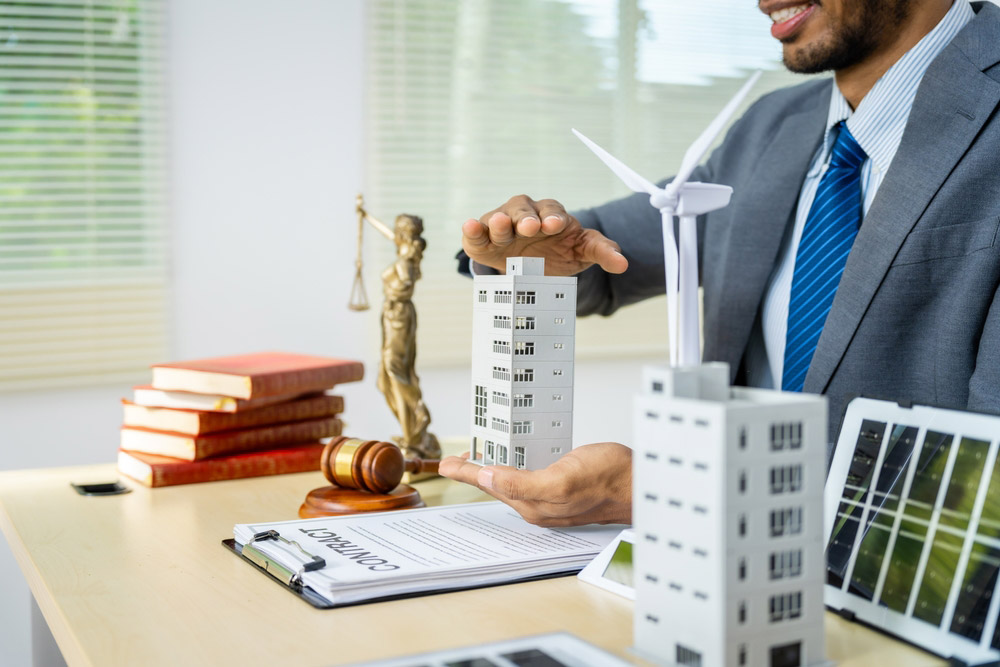
Environmental regulations can shape the outcome of a construction project long before a lawsuit is filed. In Los Angeles, where development moves through a dense legal, regulatory, and commercial landscape, environmental compliance is often tied directly to project timing, cost, design, permitting, inspections, financing, and property value. When something goes wrong, the dispute may not be limited to defective work or missed deadlines. It may also involve air quality rules, soil issues, waste disposal, asbestos handling, stormwater controls, hazardous materials, or agency approvals.
For owners, developers, contractors, investors, landlords, tenants, and commercial real estate professionals, these issues can become expensive quickly. A construction delay caused by an environmental correction may affect lease commencement dates. A demolition project that fails to follow asbestos procedures may lead to enforcement exposure. A soil contamination issue may change the scope of work. A contractor’s failure to follow required waste disposal practices may create a dispute over payment, indemnity, or responsibility for fines.
Why Environmental Regulations Matter in LA Construction
Los Angeles construction projects often involve more than standard building code compliance. Depending on the property and project type, environmental obligations may come from city rules, county requirements, state law, regional air quality regulations, federal standards, contract terms, permit conditions, or agency directives. These requirements can affect demolition, grading, excavation, renovation, tenant improvements, adaptive reuse, and new construction.
The legal issue is not always whether an environmental rule exists. The harder question is often who had the duty to identify it, follow it, budget for it, document it, and correct the problem when it affected the project. In high-stakes construction and commercial real estate matters, that question can decide who bears the financial loss.
Common Environmental Issues That Lead to Construction Disputes
Environmental disputes in Los Angeles construction projects can arise from many sources. Some are discovered during due diligence. Others appear after demolition begins, when inspections occur, or when a neighboring property owner, tenant, agency, or project participant raises concerns.
- Asbestos discovery during demolition or renovation
- Lead-based paint concerns in older buildings
- Soil contamination or unexpected hazardous materials
- Dust, debris, and air quality complaints
- Improper construction and demolition waste handling
- Stormwater runoff or erosion control failures
- Noise, odor, and nuisance claims from neighboring properties
- Permit delays caused by environmental review or agency corrections
- Disputes over who pays for remediation, redesign, or delay costs
- Failure to disclose environmental conditions during a real estate transaction
Asbestos and Demolition Disputes
Asbestos is one of the most common environmental issues tied to construction disputes in Los Angeles, especially in older commercial buildings, multifamily properties, industrial spaces, and adaptive reuse projects. A project may begin with a planned demolition or renovation, only for asbestos-containing materials to be discovered after work has started. When that happens, the project can face delays, added abatement costs, revised sequencing, safety concerns, and questions about whether the contractor or owner followed required procedures.
From a legal standpoint, asbestos-related disputes often focus on preconstruction investigation, contract language, disclosure, change orders, and compliance duties. If the contractor was responsible for identifying hazardous materials before demolition, that responsibility should be clear in the agreement. If the owner had prior reports or knowledge of the condition, that information may become important. If a design professional or consultant failed to flag a known risk, the dispute may expand beyond the owner-contractor relationship.
Soil, Grading, and Contamination Problems
Los Angeles has many properties with complicated prior uses. A site may have been used for automotive repair, dry cleaning, manufacturing, storage, industrial operations, or other activities that raise environmental concerns. During excavation or grading, unexpected soil conditions may change the cost and schedule of the project. The discovery of contaminated soil may require testing, special handling, disposal, remediation, or changes to the development plan.
These issues frequently lead to disputes because the financial impact can be significant. Contractors may argue that the condition was concealed or outside the original scope. Owners may argue that the contractor failed to investigate properly or gave an incomplete bid. Buyers may claim that sellers failed to disclose known environmental concerns. Lenders, tenants, and investors may also become involved when contamination affects the project’s feasibility or value.
Stormwater and Runoff Issues
Construction sites can create stormwater and runoff risks, especially during grading, excavation, demolition, and large-scale site work. If erosion controls, drainage protections, sediment barriers, or site management practices are not properly maintained, runoff can affect nearby streets, storm drains, neighboring properties, or public infrastructure.
In a dispute, stormwater problems can raise several questions. Did the contractor follow the approved plans? Were erosion controls installed and maintained? Did site conditions change after rain? Was the owner warned about additional measures? Did delays or sequencing choices increase the risk? Clear documentation is critical because the responsible party may depend on the contract, the approved plans, field decisions, weather conditions, and inspection history.
Construction Waste and Disposal Disputes
Waste handling is another area where environmental rules can create construction disputes. Demolition debris, concrete, wood, metal, drywall, roofing materials, and inert debris may be subject to recycling, hauling, disposal, and documentation requirements. If waste is handled improperly, the project can face correction demands, added costs, delayed approvals, or disputes over payment.
For commercial projects, waste documentation may matter during inspections, closeout, financing, sustainability reporting, or lease delivery. A contractor’s failure to use approved facilities or maintain records can become a serious issue if the owner needs proof of compliance. On the other hand, contractors may dispute responsibility when the owner changes the project scope, fails to provide required information, or directs disposal practices that conflict with the contract.
How Environmental Regulations Affect Construction Defect Claims
Environmental issues can overlap with construction defect claims in several ways. A defect may involve improper waterproofing that leads to mold. Poor grading may cause water intrusion. Defective drainage may create erosion or runoff problems. Improper material handling may cause contamination concerns. A failure to follow environmental requirements during renovation may create unsafe conditions for occupants or neighboring properties.
When environmental rules intersect with defect claims, the case often becomes more technical. Attorneys may need to work with engineers, environmental consultants, building experts, industrial hygienists, contractors, architects, and cost estimators. The legal strategy should connect the technical evidence to the contract duties, damages, delay impacts, and liability theories.
Why Contract Language Matters
Many environmental construction disputes could be reduced with stronger contracts. The agreement should identify who is responsible for environmental investigation, permits, testing, hazardous materials, remediation, disposal, documentation, delay costs, change orders, agency communications, and indemnity. Vague language can create uncertainty when an expensive environmental problem appears.
For commercial real estate projects, environmental risk should also be addressed in purchase agreements, leases, development agreements, access agreements, and construction contracts. A smart legal approach looks beyond one clause and considers how the documents work together. That is especially important when multiple parties are involved and each side tries to shift responsibility after a delay, violation, or defect.
Resolving Environmental Construction Disputes
The right strategy depends on the project, the environmental issue, the contract, the timeline, and the financial stakes. Some disputes can be resolved through negotiation, revised scope, consultant review, insurance analysis, or structured payment agreements. Others may require formal claims, mediation, arbitration, or litigation.
The strongest position usually starts with organized evidence. Owners, developers, contractors, and commercial real estate parties should preserve contracts, permits, inspection records, environmental reports, photos, emails, change orders, invoices, agency notices, consultant findings, and project schedules. These records help establish what happened, when it happened, who knew about it, and who was responsible for the cost.
Stryker Slev Law Group is an established Construction Defect and Commercial Real Estate law firm with an office in San Diego, serving Los Angeles and Southern California. Our firm works with sophisticated real estate and construction matters where the facts are complex, the financial exposure is significant, and the strategy must be smart from the beginning.
How we can help
If environmental regulations are affecting your Los Angeles construction project or commercial real estate dispute, Stryker Slev Law Group can help you evaluate the risk, review the contracts, identify responsible parties, preserve evidence, and build a strategy focused on protecting your position. Whether the issue involves asbestos, contaminated soil, construction waste, stormwater runoff, defective work, delayed approvals, disclosure problems, or high-value property damage, our team brings experience, precision, and a smart legal approach to complex construction and real estate cases throughout Los Angeles, San Diego, and Southern California.