
 by Admin
Common Construction Defects and How Architects Can Mitigate Risks
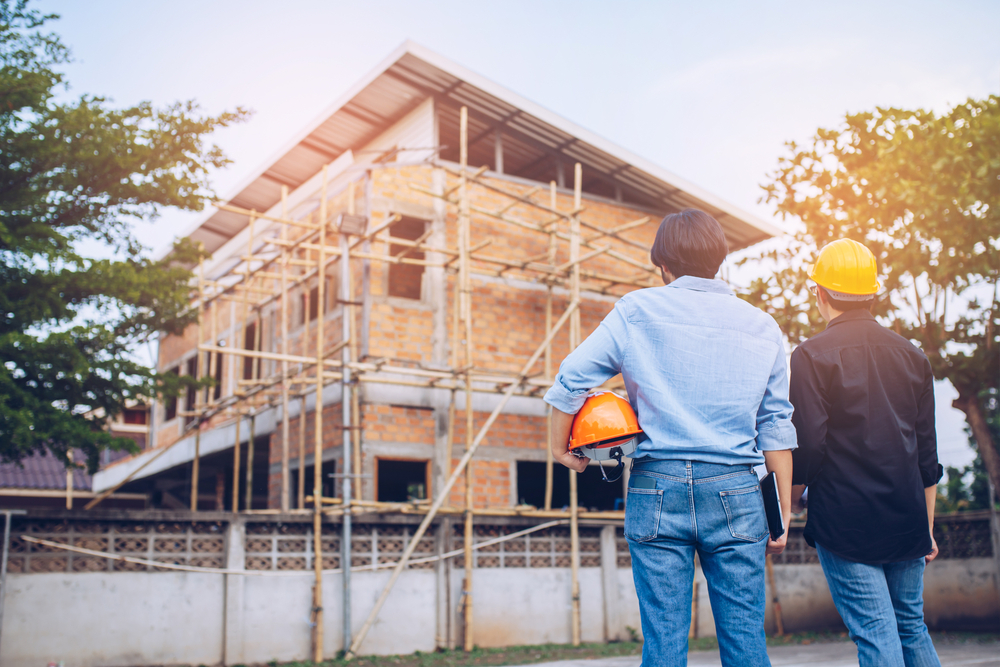
In the world of construction, even the smallest oversight can lead to significant issues down the line. Architects play a crucial role in ensuring the integrity of a project, but despite their best efforts, construction defects can occur. Understanding the most common types of construction defects and implementing strategies to mitigate risks is essential for architects. This proactive approach not only protects their reputation but also safeguards their clients’ investments.
Common Construction Defects
- Water Intrusion: Water intrusion is one of the most prevalent construction defects, often resulting from improper sealing, flashing, or drainage. Moisture can lead to mold growth, structural damage, and costly repairs. Architects must ensure that designs incorporate effective waterproofing and drainage systems to minimize the risk of water intrusion.
- Structural Deficiencies: Structural defects can arise from inadequate materials, poor workmanship, or design flaws. Issues such as sagging beams, uneven floors, or cracking walls can compromise the safety and longevity of a building. Architects should work closely with structural engineers to ensure that all designs meet the necessary load-bearing requirements and adhere to building codes.
- Poor Workmanship: Defective workmanship can manifest in various forms, including misaligned components, improperly installed fixtures, and sloppy finishes. These issues not only detract from the aesthetic appeal of a project but can also lead to functional problems over time. To mitigate this risk, architects should clearly communicate their expectations to contractors and conduct regular inspections throughout the construction process.
- Inadequate Insulation: Insulation plays a critical role in a building’s energy efficiency and overall comfort. Inadequate insulation can lead to excessive energy costs and discomfort for occupants. Architects should specify the appropriate insulation materials and ensure that they are installed correctly to meet energy efficiency standards.
- Electrical and Plumbing Issues: Faulty electrical wiring or plumbing can pose serious safety hazards and lead to costly repairs. Common issues include improper grounding, leaks, and inadequate water pressure. Architects should collaborate with licensed professionals to ensure that all electrical and plumbing systems are designed and installed according to code.
- Foundation Problems: Foundation defects can occur due to poor soil conditions, inadequate drainage, or improper construction techniques. These issues can lead to significant structural damage and costly repairs. Architects should conduct thorough site assessments and work with geotechnical engineers to design appropriate foundation solutions.
Mitigating Risks
- Thorough Planning and Design: A well-thought-out design can significantly reduce the risk of construction defects. Architects should invest time in understanding the project’s requirements, the site conditions, and any potential challenges. Engaging with stakeholders during the planning phase can also lead to more effective designs.
- Collaboration with Experts: Collaborating with structural engineers, mechanical engineers, and other specialists throughout the design process can help identify potential issues early on. Their expertise can provide valuable insights that enhance the overall design and construction approach.
- Comprehensive Specifications: Clear and detailed specifications are essential for minimizing misunderstandings during construction. Architects should create comprehensive documents that outline materials, installation methods, and performance criteria to ensure that contractors have a clear understanding of expectations.
- Regular Site Inspections: Conducting regular site inspections during the construction process allows architects to identify and address potential defects before they become major issues. Establishing a schedule for inspections and maintaining open lines of communication with contractors can foster a proactive approach to quality control.
- Education and Training: Educating contractors and subcontractors about best practices and the importance of quality workmanship can help mitigate risks associated with poor construction practices. Providing training sessions or resources can reinforce the importance of adhering to specifications and building codes.
- Documenting Everything: Thorough documentation throughout the design and construction phases is crucial for protecting architects from liability. Keeping detailed records of communications, decisions, and changes can serve as valuable evidence if disputes arise in the future.
How We Can Help
At Stryker Slev Law Group, we understand the complexities of construction law and the challenges architects face in mitigating risks associated with construction defects. Our experienced attorneys are dedicated to providing comprehensive legal support tailored to the needs of architects and contractors in San Diego, Los Angeles, and Southern California.
Whether you need assistance with contract negotiations, dispute resolution, or navigating the legal landscape of construction projects, we are here to help. Our firm’s extensive experience in construction defect and commercial real estate law positions us as a trusted partner for your legal needs.
If you’re an architect seeking to enhance your understanding of construction defects and develop strategies to mitigate risks, contact Stryker Slev Law Group today. Together, we can build a solid foundation for your projects and protect your reputation in the industry.
Related reading: What Are the Risks of Ignoring Construction Defects? | What Are Common Construction Defects?
 by Admin
How Do You Handle Defective Construction Work?
Defective construction work can result in costly repairs, project delays, and potential safety hazards. As construction defect and commercial real estate attorneys, we understand the importance of addressing these issues efficiently. This article will outline the key steps to handle defective construction work and protect your interests.
Step 1: Identify and Document the Defect
- Define the Defect: Explain what constitutes a construction defect, such as structural issues, material deficiencies, or improper installation.
- Document Thoroughly: Collect photographs, videos, blueprints, and reports that demonstrate the defect.
- Engage an Expert: Hire a qualified inspector or engineer to assess and document the defect professionally.
Step 2: Review the Contract and Warranties
- Check the Terms: Determine what warranties and guarantees apply to the project.
- Notice Requirements: Review the contract for specific requirements on how and when to notify the contractor of any issues.
- Scope of Liability: Identify the responsible parties, such as contractors, subcontractors, or suppliers.
Step 3: Notify the Contractor and Seek Correction
- Provide Formal Notice: Alert the contractor in writing, with a detailed description of the defect and request for repair.
- Allow for Remedy: Give the responsible parties the opportunity to address and repair the defect.
- Document All Interactions: Keep records of all communications related to the defect and the efforts to correct it.
Step 4: Explore Alternative Dispute Resolution (ADR)
- Mediation: Outline the process of mediation to resolve the defect without litigation.
- Arbitration: Discuss the benefits of arbitration for a quicker, binding resolution.
- Benefits of ADR: Highlight the potential cost and time savings compared to a court case.
Step 5: Consider Legal Action if Necessary
- Consult an Attorney: Explain the value of consulting a construction defect attorney for complex cases.
- File a Lawsuit: Outline the process for filing a claim and seeking damages for repair costs, diminished value, or other losses.
- Recovery Options: Describe potential recoveries, such as repair costs, reimbursement, or punitive damages if applicable.
Step 6: Repair and Monitor the Work
- Supervise Repairs: Ensure that repairs are completed to industry standards by qualified professionals.
- Future Monitoring: Emphasize the importance of periodic inspections to prevent future defects or issues.
How We Can Help
At Stryker Slev Law Group, we specialize in handling construction defect cases in San Diego. With our extensive experience, we can guide you through each step, from documenting the defect to pursuing legal action if necessary. Our team is dedicated to ensuring that your interests are protected, and we work diligently to secure the best outcome for your case.
Related reading: How to Handle Change Orders in Los Angeles Construction | What Are Common Construction Defects?
 by Admin
What Are the Legal Steps for a Breach of Contract?
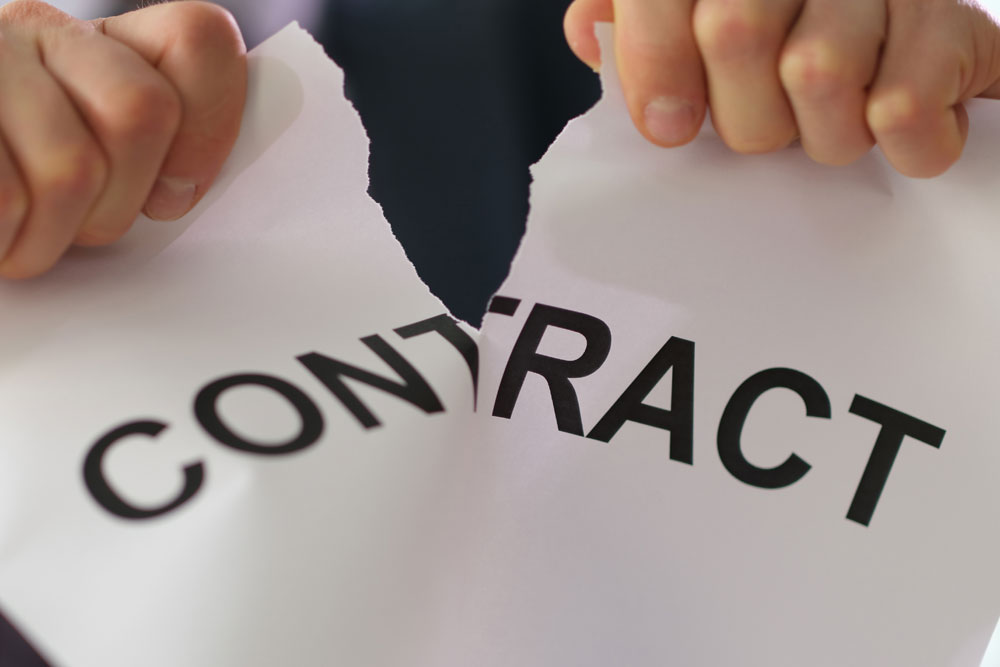
A breach of contract occurs when one party fails to fulfill their obligations as outlined in a legally binding agreement. For businesses, particularly in construction and commercial real estate, a breach can lead to significant financial losses and disputes. This article will walk through the essential legal steps to take when dealing with a breach of contract.
Step 1: Review the Contract Terms
- Importance of Clarity: Understanding the specific obligations and conditions.
- Breach Identification: Establishing what qualifies as a breach according to the contract terms.
- Force Majeure Considerations: Reviewing clauses that may excuse non-performance under certain circumstances.
Step 2: Document the Breach
- Maintain Evidence: Collect all relevant documents, communications, and records.
- Notify the Other Party: Send a formal notice to the breaching party to alert them of the issue.
- Mitigation Requirements: Explain the obligation to mitigate damages resulting from the breach.
Step 3: Attempt Resolution Through Negotiation
- Alternative Dispute Resolution (ADR): Outline options like mediation or arbitration.
- Negotiation Tactics: Consider reaching a settlement to avoid costly litigation.
- Preparation for ADR: Document each negotiation effort for the record.
Step 4: Determine the Appropriate Legal Action
- Types of Legal Remedies:
- Compensatory Damages: Seek reimbursement for losses due to the breach.
- Specific Performance: Request that the breaching party fulfill their contractual obligations.
- Punitive Damages: Available in some cases to penalize the breaching party.
- Consulting with a Lawyer: Explain the need for professional legal guidance in selecting the right course of action.
Step 5: File a Lawsuit if Necessary
- Filing the Claim: Overview of filing procedures and time limits (statutes of limitations).
- Gathering Evidence for Trial: Emphasize the role of evidence in proving the breach.
- The Litigation Process: Describe the phases, including discovery, motions, and trial.
Step 6: Pursue Collection of the Awarded Damages
- Enforcement of Judgment: Discuss how to ensure compliance with the court’s decision.
- Collections Process: Outline actions to take if the breaching party fails to pay awarded damages.
How We Can Help
At Stryker Slev Law Group, we understand the complexities of breach of contract cases in construction and commercial real estate. With extensive experience and a dedicated team, we are equipped to guide you through every step of the process, from initial consultation to resolution. Whether through negotiation, ADR, or litigation, we aim to secure the best possible outcome for your case.
Related reading: How to Address Breach of Contract Claims in Construction Projects | What Are the Steps for a Commercial Property Purchase?
 by Admin
How Can Mediation Help in Construction Disputes?
Construction projects are complex and often involve numerous stakeholders, including contractors, developers, property owners, and subcontractors. Given the intricacies of these projects, disputes are not uncommon. These disputes may arise due to delays, defects, payment issues, or scope changes, leading to costly litigation if not addressed promptly. However, mediation offers a more efficient and less adversarial way to resolve construction disputes.
Mediation is an alternative dispute resolution (ADR) process where a neutral third party, the mediator, helps the parties involved reach a mutually acceptable solution. In construction disputes, mediation can be especially beneficial, helping to maintain relationships and avoid lengthy litigation.
The Benefits of Mediation in Construction Disputes
Mediation has several advantages over traditional litigation in resolving construction disputes:
1. Cost-Effective
Litigation is often expensive, with attorney fees, court costs, and expert witness expenses adding up over time. Mediation, on the other hand, is generally far more affordable. Since mediation sessions are designed to be quicker than a court trial, the overall costs are significantly lower for all parties involved.
2. Faster Resolution
Construction disputes can drag on for months or even years in court, delaying the project and costing everyone involved time and money. Mediation offers a quicker resolution, as sessions are typically scheduled and resolved within a much shorter timeframe than traditional litigation.
3. Confidentiality
Unlike courtroom trials, which are part of the public record, mediation is a confidential process. This allows the parties to freely discuss sensitive issues without the risk of damaging their reputation or business relationships. Confidentiality is especially important in high-profile construction cases or disputes involving multiple parties.
4. Preservation of Relationships
Construction disputes can strain business relationships, making it difficult for the parties involved to continue working together. Mediation promotes a cooperative atmosphere, helping to preserve relationships between contractors, developers, and property owners. By resolving disputes in a less adversarial manner, mediation reduces the risk of animosity and allows parties to move forward with the project once the dispute is settled.
5. Flexibility and Control
In litigation, the final decision is in the hands of a judge or jury, often resulting in a win-lose outcome. Mediation, on the other hand, allows the parties to retain control over the resolution. They can negotiate the terms of the settlement, making it more likely to result in a win-win solution. This flexibility often leads to creative solutions that may not be available through the court system.
6. Non-Binding Process
Mediation is a non-binding process, meaning the parties are not required to accept the mediator’s recommendations. If an agreement is not reached, they can still pursue litigation or other forms of dispute resolution. However, the fact that mediation is non-binding also encourages parties to participate in good faith, knowing they can leave the process if a satisfactory resolution isn’t achieved.
How Mediation Works in Construction Disputes
The mediation process in construction disputes follows a structured approach:
1. Selection of a Mediator
The first step is selecting a neutral mediator with experience in construction law. The mediator should be familiar with the technical and legal aspects of construction projects to effectively facilitate discussions between the parties.
2. Pre-Mediation Preparation
Before the mediation begins, each party typically prepares by gathering relevant documents, such as contracts, change orders, and any correspondence related to the dispute. The parties may also submit written statements to the mediator summarizing their positions and desired outcomes.
3. Joint and Private Sessions
Mediation usually begins with a joint session where all parties present their case and express their concerns. After this, the mediator may hold private sessions (known as caucuses) with each party to explore potential solutions and areas of compromise. These private sessions allow the mediator to understand the underlying interests of each party and help guide them toward a resolution.
4. Negotiation and Settlement
The mediator facilitates negotiations between the parties, encouraging them to explore various settlement options. The mediator does not impose a solution but helps the parties find common ground. If a settlement is reached, it is documented in a written agreement, which can then be enforced as a binding contract.
5. Post-Mediation
If the parties reach an agreement, they can move forward with the project or resolve the dispute. If mediation fails to produce a resolution, the parties can still pursue litigation or arbitration.
When Is Mediation Appropriate for Construction Disputes?
Mediation can be used to resolve a wide range of construction disputes, including:
- Construction defects: Disputes over the quality of work or materials used.
- Payment disputes: Disagreements over payment schedules, unpaid invoices, or additional costs.
- Project delays: Disputes arising from delays in project completion.
- Scope changes: Disagreements over changes in project scope or unexpected work.
- Contract disputes: Breaches of contract, interpretation issues, or unclear contract terms.
Mediation is particularly effective when both parties are motivated to resolve the dispute quickly and want to avoid the high costs and adversarial nature of litigation.
How We Can Help
At Stryker Slev Law Group, we understand that construction disputes can be disruptive and costly for all involved parties. As one of San Diego’s leading law firms in construction law, we have extensive experience handling high-profile cases involving construction defects, commercial real estate, and other related disputes. Our team believes in the power of mediation to resolve issues efficiently and amicably while protecting your business interests.
We can assist you in navigating the mediation process, ensuring that your rights are protected and that you reach a fair and reasonable settlement. If mediation doesn’t provide the resolution you need, we are prepared to advocate for you in court. Contact us today to learn more about how we can help you resolve your construction disputes and move forward with your project.
Related reading: Mediation vs. Litigation: Handling LA Construction Disputes | Technology Solutions to Minimize Construction Disputes in LA
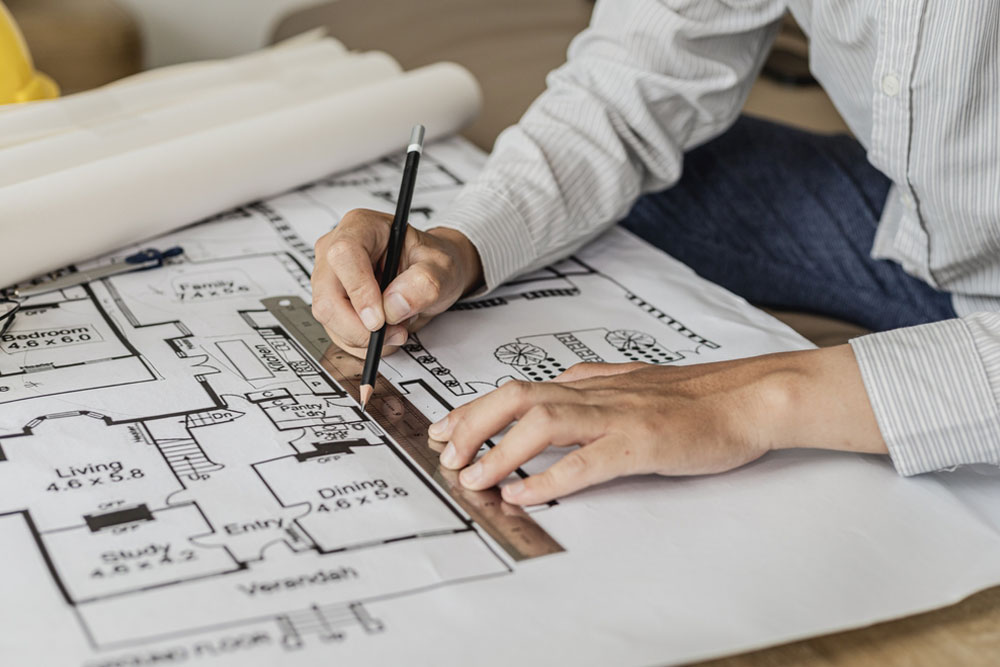 by Admin
What to Do When a Construction Project Delays?
Construction delays can be frustrating and costly for all parties involved. Whether you’re a property owner, developer, or contractor, delays can cause financial strain, legal complications, and potential damage to relationships. Understanding the common causes and the steps you should take when faced with a delay can help you navigate this situation effectively.
Common Causes of Construction Delays
Construction delays can occur for various reasons, some of which are avoidable, while others may be beyond your control. Here are some of the most common causes:
- Weather Conditions Unpredictable weather, especially rain, snow, or extreme temperatures, can halt or slow construction. While contractors often account for weather in their timelines, unexpected conditions can still lead to delays.
- Labor Shortages The construction industry is susceptible to fluctuations in available skilled labor. A shortage of workers can result in delays, particularly if specialized skills are required for certain aspects of the project.
- Supply Chain Issues Materials being delayed or unavailable can slow down progress. This is particularly relevant in today’s global economy, where supply chain disruptions can cause significant delays.
- Design Changes When owners or stakeholders request changes to the initial design or scope of work, it can push back timelines. Even small changes may require additional planning, permits, and reworking, which leads to delays.
- Permitting and Regulatory Approvals Delays in obtaining the necessary permits and approvals from local authorities can bring a project to a standstill. The time needed for these approvals can vary widely depending on the location and complexity of the project.
- Financial Problems Issues such as funding delays, disputes over payments, or contractor financial instability can also contribute to project delays.
Legal Implications of Construction Delays
Construction project delays often come with significant legal consequences, particularly if there is no clear contract addressing how to handle delays. Without proper documentation or agreements, the parties involved may find themselves in disputes over responsibility and costs.
For instance, some contracts include liquidated damages clauses, which set a predetermined penalty for delays, while others may have force majeure clauses that protect contractors from delays caused by unforeseen events like natural disasters. It’s crucial to understand the terms of your contract and how delays are addressed to prevent misunderstandings and potential litigation.
If a delay becomes protracted, you may have grounds for a breach of contract claim or other legal remedies. However, resolving these disputes quickly and fairly often requires the guidance of an experienced construction defect attorney.
Steps to Take When a Construction Project Delays
When delays happen, there are several steps you can take to mitigate the impact and resolve the situation as smoothly as possible.
1. Review the Contract
Start by reviewing the contract terms, especially the provisions related to delays. Look for any clauses that outline how delays should be managed, including penalties, extension terms, or force majeure provisions. Understanding your rights and obligations according to the contract is essential in managing the delay.
2. Communicate with All Parties
Open and clear communication is crucial in managing construction delays. Talk to the contractors, subcontractors, and any other involved parties to get a clear understanding of why the delay occurred and how long it will last. Maintaining a positive relationship throughout the process can help keep things on track once work resumes.
3. Document the Delay
Documentation is key in the event of any disputes. Keep detailed records of the delay, including emails, meeting notes, and reports. Be sure to track any additional costs or losses you incur as a result of the delay. This information will be invaluable if you need to seek legal recourse.
4. Consider Alternative Solutions
Depending on the cause of the delay, it may be possible to consider alternative solutions. For example, if materials are unavailable, you may explore different suppliers or materials. If labor shortages are an issue, consider subcontracting portions of the work to other teams.
5. Assess the Financial Impact
Delays often come with additional costs, including extended labor, increased materials costs, or penalties for late completion. Work with a financial expert to assess the financial impact of the delay and make any necessary budget adjustments.
6. Involve Legal Counsel Early
If the delay starts to lead to disputes or financial strain, involving legal counsel early can prevent the situation from escalating. An experienced construction defect attorney can help you review your options, determine liability, and assist in negotiating a resolution. They can also guide you through potential claims for compensation if the delay is impacting your bottom line.
How We Can Help
At Stryker Slev Law Group, we understand the complexities that arise with construction delays. As one of the oldest law firms in San Diego specializing in construction law, we have the experience to guide you through every phase of a delayed project, from understanding the contract to resolving disputes. Our team handles high-profile construction defect and commercial real estate cases, offering personalized legal strategies that help protect your interests. Whether you are a contractor, developer, or property owner, we are here to help you navigate construction delays efficiently and with minimal disruption.
If you’re facing a construction delay or foresee potential issues, don’t wait until it becomes a costly problem. Contact us today for expert legal guidance.
Related reading: Best Practices for Documenting Design and Project Changes in Construction | How to Prevent Construction Delays and Avoid Costly Legal Issues
 by Admin
Why Hire a Construction Defect Lawyer?
Construction defects can pose significant challenges for property owners, developers, and investors. Whether you’re dealing with structural issues, water intrusion, or faulty workmanship, construction defects can lead to costly repairs, legal disputes, and a loss of property value. When faced with these challenges, hiring a construction defect lawyer is one of the most crucial steps you can take to protect your investment and ensure that your rights are upheld. In this article, we’ll explore the reasons why hiring a construction defect lawyer is essential and how they can help you navigate the complexities of construction law.
1. Expertise in Construction Law
Construction defect cases can be incredibly complex, involving multiple parties, intricate legal regulations, and technical details. A construction defect lawyer specializes in this area of law and has the expertise to handle these complexities effectively. They are well-versed in the statutes, codes, and regulations that govern construction practices, and they understand the nuances of how construction defects are defined and proven in a court of law.
By hiring a construction defect lawyer, you gain access to their deep knowledge of construction law. They can identify the legal basis for your claim, advise you on the best course of action, and ensure that your case is built on a solid legal foundation. This expertise is invaluable in achieving a favorable outcome in your case.
2. Accurate Identification of Defects and Liability
Construction defects are not always immediately apparent, and determining the root cause of a defect can require technical expertise. A construction defect lawyer works closely with engineers, architects, and other experts to accurately identify the nature and extent of the defect. This is crucial because the success of your case often hinges on proving that the defect exists, determining who is responsible, and establishing the impact it has on your property.
Once the defect is identified, your lawyer will work to determine liability. In construction defect cases, liability can rest with various parties, including contractors, subcontractors, architects, engineers, and material suppliers. A skilled construction defect lawyer will thoroughly investigate the project to identify all responsible parties, ensuring that your claim targets the correct entities.
3. Protection of Your Legal Rights
Construction defect cases can quickly become contentious, especially when large sums of money are at stake. Without proper legal representation, you may find yourself at a disadvantage when dealing with insurance companies, contractors, or other parties involved in the construction process. A construction defect lawyer is your advocate, protecting your legal rights throughout the entire process.
Your lawyer will ensure that you are not pressured into accepting a settlement that is less than what you deserve. They will also safeguard you from any legal maneuvers that could undermine your case, such as attempts to shift blame or deny responsibility. With a construction defect lawyer on your side, you can have confidence that your interests are being represented and that your rights are being upheld.
4. Efficient Handling of Legal Procedures
The legal process for construction defect cases involves a series of complex procedures, including filing claims, gathering evidence, negotiating settlements, and, if necessary, going to trial. These procedures can be time-consuming and overwhelming for someone without legal experience.
A construction defect lawyer has the knowledge and experience to handle these legal procedures efficiently. They will ensure that all necessary paperwork is filed correctly and on time, that evidence is properly collected and preserved, and that deadlines are met. By handling the legal complexities, your lawyer allows you to focus on other aspects of your life or business, knowing that your case is in capable hands.
5. Maximizing Your Compensation
One of the primary goals of hiring a construction defect lawyer is to maximize the compensation you receive for the defects in your property. Construction defects can lead to significant financial losses, including repair costs, decreased property value, and loss of rental income. Your lawyer will work diligently to ensure that all of these losses are accounted for in your claim.
A construction defect lawyer will also be skilled in negotiation, working to secure a fair settlement from the responsible parties or their insurers. If a fair settlement cannot be reached, your lawyer will be prepared to take the case to court, where they will advocate on your behalf to obtain the maximum compensation possible.
6. Experience with High-Stakes Cases
High-profile construction defect cases often involve substantial financial stakes, complex legal issues, and intense scrutiny. In these situations, it is essential to have a lawyer with experience handling high-stakes cases. Stryker Slev Law Group has a long history of successfully representing clients in some of the most challenging construction defect cases in San Diego.
Our firm’s experience in high-profile cases means that we are familiar with the strategies used by the opposition and are equipped to counter them effectively. We understand the importance of protecting your reputation and financial interests, and we are committed to achieving the best possible outcome for our clients.
How We Can Help
At Stryker Slev Law Group, we understand the significant impact that construction defects can have on your property and your finances. As one of the oldest and most respected law firms in San Diego specializing in construction law, we have the expertise and experience needed to handle even the most complex construction defect cases.
Our team of dedicated attorneys will work closely with you to identify the defects, determine liability, and pursue the compensation you deserve. We handle all aspects of your case, from investigation to litigation, with a commitment to protecting your rights and achieving the best possible outcome.
If you are facing construction defects in your property, don’t wait to seek legal assistance. Contact Stryker Slev Law Group today to schedule a consultation with one of our experienced construction defect lawyers. Let us help you navigate the complexities of construction law and secure the compensation you need to protect your investment.
Related reading: How to Protect Your Architect Firm from Construction Defect Lawsuits | How Architect Firms Can Prepare for Construction Defect Litigation
 by Admin
How Can You Resolve Real Estate Disputes?
Real estate disputes can be complex and contentious, often involving significant financial stakes and deeply personal interests. Whether you’re a property owner, buyer, seller, landlord, tenant, or developer, resolving these disputes efficiently and effectively is crucial to protecting your investments and rights. At Stryker Slev Law Group, one of the oldest and most respected law firms in San Diego specializing in construction defect and commercial real estate law, we handle high-profile cases with expertise and dedication. This article explores various methods for resolving real estate disputes and provides guidance on choosing the best approach for your situation.
Common Types of Real Estate Disputes
Real estate disputes can arise from a variety of situations, including but not limited to:
- Breach of Contract: Disagreements over the terms and conditions of a real estate contract, including purchase agreements, lease agreements, and construction contracts.
- Property Boundaries: Conflicts regarding property lines, easements, and encroachments.
- Landlord-Tenant Issues: Disputes over lease terms, rent payments, property maintenance, and eviction.
- Construction Defects: Claims related to defective workmanship, materials, or design in construction projects.
- Zoning and Land Use: Disputes involving zoning regulations, land use permits, and property development rights.
- Title Issues: Problems with property ownership, such as unclear titles, liens, and title insurance claims.
Methods for Resolving Real Estate Disputes
There are several approaches to resolving real estate disputes, each with its own advantages and considerations. The most appropriate method depends on the specifics of the dispute, the relationship between the parties, and the desired outcome.
1. Negotiation
Negotiation is often the first step in resolving real estate disputes. It involves direct communication between the parties to reach a mutually acceptable solution. Negotiation can be informal and flexible, allowing parties to discuss their concerns and explore potential compromises.
Advantages:
- Cost-Effective: Negotiation is typically less expensive than litigation or arbitration.
- Control: Parties have more control over the outcome and can tailor solutions to their specific needs.
- Preservation of Relationships: Negotiation can help maintain positive relationships between parties, which is particularly important in ongoing business or personal interactions.
2. Mediation
Mediation involves a neutral third party, known as a mediator, who facilitates discussions between the disputing parties to help them reach a resolution. The mediator does not make decisions but assists in communication and negotiation.
Advantages:
- Confidential: Mediation is a private process, and discussions are not part of the public record.
- Voluntary: Parties retain control over the outcome and can withdraw from mediation at any time.
- Preservation of Relationships: Like negotiation, mediation can help preserve relationships by promoting cooperative problem-solving.
3. Arbitration
Arbitration is a more formal process where a neutral third party, known as an arbitrator, hears evidence and arguments from both sides and makes a binding decision. Arbitration can be either binding or non-binding, depending on the agreement between the parties.
Advantages:
- Efficiency: Arbitration is usually faster than litigation.
- Expert Decision-Makers: Arbitrators often have expertise in real estate matters, providing informed decisions.
- Finality: Binding arbitration decisions are final and enforceable, with limited grounds for appeal.
4. Litigation
Litigation involves resolving disputes through the court system. This process includes filing a lawsuit, discovery, trial, and potential appeals. Litigation is often considered a last resort due to its time-consuming and costly nature.
Advantages:
- Enforceability: Court judgments are legally binding and enforceable.
- Public Record: Litigation creates a public record, which can be beneficial for establishing legal precedents.
- Comprehensive Resolution: Courts have broad authority to grant various forms of relief, including monetary damages and injunctive relief.
Choosing the Right Approach
Selecting the appropriate method for resolving a real estate dispute depends on several factors:
- Nature of the Dispute: Consider the complexity, severity, and type of dispute.
- Relationship Between Parties: Evaluate the importance of preserving relationships and ongoing interactions.
- Cost and Time: Assess the financial and time constraints of each method.
- Desired Outcome: Determine the specific goals and desired outcomes of the dispute resolution process.
Consulting with an experienced real estate attorney can help you navigate these factors and choose the best approach for your situation.
How We Can Help
At Stryker Slev Law Group, we are dedicated to providing expert legal representation for clients facing real estate disputes. With our extensive experience in construction defect and commercial real estate law, we have successfully handled high-profile cases and secured favorable outcomes for our clients. If you are dealing with a real estate dispute, our team is here to help you navigate the legal complexities and protect your rights. Contact us today to learn more about our services and how we can assist you in resolving your real estate matters.
Related reading: How Can an Attorney Help in Resolving Commercial Real Estate Disputes? | Common Construction Disputes in Los Angeles Real Estate
 by Admin
What Are Common Construction Defects?
Construction defects can significantly impact the value and safety of a property, leading to costly repairs and potential legal disputes. As one of the oldest law firms in San Diego specializing in construction defect and commercial real estate law, Stryker Slev Law Group has extensive experience in handling high-profile construction defect cases. In this article, we will explore some of the most common construction defects, their causes, and the potential consequences for property owners.
Understanding Construction Defects
A construction defect is a flaw in the design, materials, or workmanship that results in a failure of part or all of a building or structure. These defects can arise during the construction process or become apparent after the building is completed. Construction defects are typically classified into three categories: design defects, material defects, and workmanship defects.
1. Design Defects
Design defects occur when the architectural or engineering plans for a building are flawed. These defects can result from errors, omissions, or inadequacies in the design documents. Common design defects include:
- Inadequate Structural Support: Poorly designed structural elements, such as beams, columns, and foundations, can lead to stability issues and potential collapse.
- Improper Drainage: Design flaws in the drainage system can cause water accumulation, leading to water damage, mold growth, and foundation problems.
- Insufficient Ventilation: Inadequate ventilation can result in poor indoor air quality, moisture buildup, and increased risk of mold and mildew.
2. Material Defects
Material defects occur when building materials used in the construction process are substandard, defective, or not suitable for their intended purpose. These defects can lead to premature deterioration and failure of the building components. Common material defects include:
- Defective Roofing Materials: Poor-quality shingles, tiles, or roofing membranes can result in leaks, water damage, and reduced lifespan of the roof.
- Faulty Plumbing Materials: Substandard pipes, fittings, and fixtures can cause leaks, water damage, and potential health hazards.
- Inferior Concrete: Low-quality concrete can crack, spall, and fail to provide adequate structural support, leading to foundation and structural issues.
3. Workmanship Defects
Workmanship defects occur when the construction work is not performed according to the required standards or specifications. These defects can result from poor workmanship, lack of skill, or failure to follow the design plans and building codes. Common workmanship defects include:
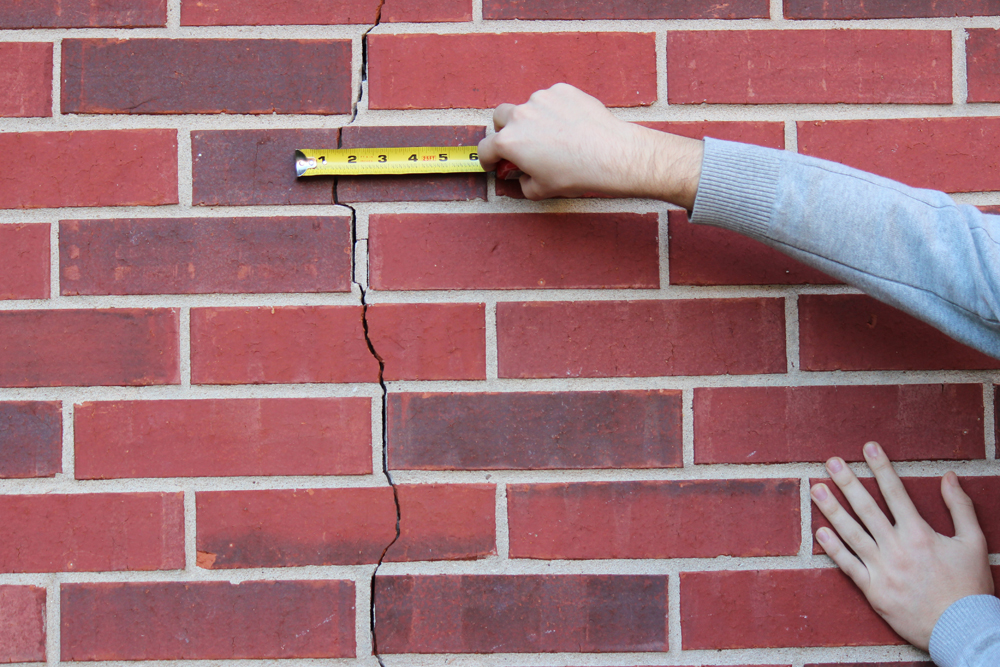
- Cracks in Walls and Foundations: Improper installation of concrete and masonry can lead to cracks in walls and foundations, compromising the structural integrity of the building.
- Leaky Windows and Doors: Poorly installed windows and doors can result in water infiltration, energy loss, and damage to interior finishes.
- Uneven Floors and Surfaces: Inadequate leveling and installation of flooring materials can cause uneven floors, tripping hazards, and aesthetic issues.
Potential Consequences of Construction Defects
Construction defects can have serious consequences for property owners, including:
1. Financial Impact
Repairing construction defects can be expensive, especially if the defects are widespread or affect critical building components. Property owners may face significant out-of-pocket costs for repairs, replacements, and remediation efforts.
2. Safety Concerns
Certain construction defects, such as structural issues and faulty electrical systems, can pose safety risks to occupants. These defects can lead to accidents, injuries, and even fatalities if not addressed promptly.
3. Property Value Reduction
Construction defects can diminish the value of a property, making it less attractive to potential buyers and investors. Defects that affect the appearance, functionality, or safety of the building can result in lower resale value and longer time on the market.
4. Legal Disputes
Construction defects often lead to legal disputes between property owners, contractors, designers, and material suppliers. Resolving these disputes can be time-consuming, costly, and stressful for all parties involved.
How We Can Help
At Stryker Slev Law Group, we are dedicated to providing expert legal representation for clients facing construction defect issues. With our extensive experience in construction law and commercial real estate, we have successfully handled high-profile cases and secured favorable outcomes for our clients. If you are dealing with construction defects, our team is here to help you navigate the legal complexities and protect your rights. Contact us today to learn more about our services and how we can assist you in resolving your construction defect matters.
Related reading: Common Construction Defects and How Architects Can Mitigate Risks | What to Expect in Mediation and Arbitration for Construction Defects
 by Admin
What Are the Latest Commercial Real Estate Laws That Affect Your Investment?
Navigating the ever-evolving landscape of commercial real estate law is crucial for investors looking to protect and grow their investments. At Strykerslev, we specialize in commercial real estate and construction defect law, representing clients in California, Arizona, Nevada, the District of Columbia, Colorado, and Texas. Staying informed about the latest legal developments can help you make informed decisions and avoid potential pitfalls. Here’s a look at the most recent changes in commercial real estate laws that could affect your investment.
Key Changes in Commercial Real Estate Laws
1. Zoning and Land Use Regulations
Zoning laws dictate how properties can be used within certain areas, and recent updates have introduced more flexible zoning regulations in several states. These changes aim to encourage mixed-use developments and revitalize urban areas. Investors should stay updated on local zoning laws to maximize their property’s potential and ensure compliance with new regulations.
2. Environmental Regulations
Environmental laws continue to evolve, with stricter regulations being implemented to protect natural resources and promote sustainability. Recent updates may include requirements for energy-efficient buildings, waste management protocols, and protections for endangered species habitats. Staying compliant with these regulations is essential to avoid fines and legal issues.
3. Lease Agreements and Tenant Protections
Changes in lease agreement laws and tenant protections can significantly impact commercial real estate investments. Recent legislation may introduce new requirements for lease disclosures, security deposits, and eviction procedures. Understanding these changes helps landlords manage their properties more effectively and maintain good relationships with tenants.
4. Tax Incentives and Deductions
Tax laws affecting commercial real estate are constantly changing, with new incentives and deductions introduced to stimulate investment and development. Recent changes may include increased depreciation benefits, tax credits for sustainable building practices, and incentives for developing in underserved areas. Taking advantage of these tax benefits can enhance the profitability of your investments.
5. Construction Defect Laws
As experts in construction defect law, Strykerslev closely monitors changes in regulations that impact construction quality and liability. Recent updates may involve stricter building codes, extended warranties, and new liability standards for contractors and developers. Understanding these laws is crucial for protecting your investments and ensuring the long-term value of your properties.
How These Laws Impact Your Investments
Compliance Costs
Adhering to new regulations can involve additional compliance costs, including legal fees, inspections, and modifications to existing properties. While these costs can impact short-term profitability, they are essential for avoiding legal issues and ensuring long-term success.
Investment Strategies
Changes in commercial real estate laws can influence investment strategies, highlighting the importance of due diligence and strategic planning. Investors may need to adjust their strategies to capitalize on new opportunities, such as tax incentives for sustainable development or favorable zoning changes.
Risk Management
Staying informed about the latest legal developments helps investors manage risks more effectively. By understanding new tenant protections, environmental regulations, and construction standards, investors can mitigate potential liabilities and protect their investments from unforeseen legal challenges.
Why Choose Strykerslev?
At Strykerslev, we provide expert legal guidance to help you navigate the complexities of commercial real estate law. Here’s why our clients trust us with their investments:
- Expertise Across Multiple States: We represent clients in California, Arizona, Nevada, the District of Columbia, Colorado, and Texas, offering comprehensive legal support tailored to the unique laws of each state.
- Specialization in Commercial Real Estate and Construction Defect Law: Our attorneys specialize in commercial real estate, business transactions, and civil litigation, ensuring that you receive expert advice and representation.
- Recognition and Credibility: Listed on expertise.com as one of the best Real Estate Attorneys in San Diego, we are committed to delivering excellence and achieving the best outcomes for our clients.
Staying informed about the latest commercial real estate laws is essential for protecting your investments and capitalizing on new opportunities. At Strykerslev, our team of experienced attorneys is here to help you navigate these changes and achieve your investment goals. Contact us today to learn more about how we can support your commercial real estate endeavors.
Related reading: How Can Zoning Laws Affect Your Commercial Property Investment? | What Should You Know About Environmental Laws and Commercial Real Estate in California
 by Admin
Understanding Commercial Lease Agreements: Key Terms and Conditions
Navigating commercial lease agreements can be a complex process, but understanding the key terms and conditions is crucial for protecting your business interests. At Strykerslev, we are top-ranked commercial real estate attorneys in San Diego, specializing in construction defect and business transactions. Whether you’re a tenant or a landlord, having a firm grasp of these agreements can save you time, money, and potential legal issues down the line. Here’s an in-depth look at the essential components of commercial lease agreements.
Key Terms and Conditions in Commercial Lease Agreements
-
Lease Term
The lease term is the duration of the lease agreement. It specifies how long the tenant will occupy the space and can range from a few months to several years. Understanding the lease term is crucial as it affects your long-term business plans and financial commitments. At Strykerslev, we advise our clients to carefully consider the lease term in the context of their business goals and future growth.
-
Rent and Rent Escalation
The rent clause details the amount of rent due, payment frequency, and any potential rent increases over time. Rent escalation clauses specify how and when the rent will increase, which can be based on factors such as the Consumer Price Index (CPI) or a fixed percentage. Knowing these terms helps tenants plan their finances and avoid unexpected costs.
-
Common Area Maintenance (CAM) Fees
Common Area Maintenance (CAM) fees cover the maintenance of shared spaces within the commercial property, such as lobbies, parking lots, and landscaping. These fees are typically shared among tenants based on the square footage they occupy. It’s important to understand how CAM fees are calculated and what services they cover to avoid disputes.
-
Security Deposit
A security deposit is a sum of money paid by the tenant to the landlord at the beginning of the lease term. This deposit is held as collateral against potential damages or unpaid rent. The lease agreement should outline the amount of the security deposit, the conditions for its return, and any circumstances under which it may be forfeited.
-
Permitted Use Clause
The permitted use clause specifies the types of activities and operations that are allowed within the leased space. This clause ensures that the tenant’s business activities comply with zoning laws and the landlord’s policies. Understanding this term is crucial to avoid violations that could result in legal action or lease termination.
-
Maintenance and Repairs
This section outlines the responsibilities of both the landlord and tenant regarding the maintenance and repair of the property. It is essential to clearly define who is responsible for what to prevent conflicts and ensure the property remains in good condition.
-
Assignment and Subletting
The assignment and subletting clause governs whether and how a tenant can transfer their lease to another party. This can be critical for businesses that may need to relocate or downsize. Reviewing these terms with a skilled commercial real estate attorney ensures that your rights are protected and that the process is legally sound.
-
Renewal Options
Renewal options provide the tenant with the right to extend the lease term under specified conditions. This clause is particularly valuable for businesses that plan to stay in the same location long-term. It is important to understand the terms and conditions of renewal, including any notice periods and rent adjustments.
Why Choose Strykerslev?
At Strykerslev, our team of experienced commercial real estate attorneys is dedicated to providing comprehensive legal support to clients across California, Arizona, Nevada, the District of Columbia, Colorado, and Texas. We specialize in commercial lease agreements, business transactions, and civil litigation, ensuring that our clients receive the highest level of legal expertise.
- Expertise: Listed on expertise.com as one of the best Real Estate Attorneys in San Diego, our firm is recognized for its excellence and commitment to client success.
- Comprehensive Services: From lease negotiations to dispute resolution, we offer a full range of legal services tailored to meet the unique needs of commercial real estate clients.
- Client-Centered Approach: We prioritize our clients’ needs and work diligently to protect their interests, providing personalized legal strategies and solutions.
Understanding the key terms and conditions of commercial lease agreements is essential for safeguarding your business interests. At Strykerslev, we provide expert legal guidance to help you navigate these complex documents with confidence. Contact us today to learn how we can assist you with your commercial real estate needs.
Related reading: What Are the Latest Commercial Real Estate Laws That Affect Your Investment? | Five Essential Things You Should Know About Commercial Real Estate Law in California