
 by Admin
What to Expect in Mediation and Arbitration for Construction Defects
In the realm of construction law, disputes over construction defects are common and can lead to significant financial and reputational risks for all parties involved. When such conflicts arise, architects, contractors, and property owners often turn to alternative dispute resolution (ADR) methods like mediation and arbitration to resolve their issues. These methods can be more efficient and cost-effective compared to traditional litigation. Understanding what to expect in mediation and arbitration is crucial for anyone involved in a construction defect dispute.
Understanding Mediation and Arbitration
Before delving into what to expect in these processes, it’s essential to understand the differences between mediation and arbitration:
- Mediation: This is a collaborative process where a neutral third-party mediator facilitates discussions between the parties to help them reach a mutually acceptable resolution. The mediator does not make binding decisions but guides the conversation to promote understanding and compromise.
- Arbitration: In arbitration, a neutral arbitrator hears both sides of the dispute and makes a binding decision. This process is more formal than mediation and resembles a trial, but it is typically quicker and less expensive.
What to Expect in Mediation
- Pre-Mediation Preparation: Prior to mediation, each party should gather relevant documentation, including contracts, correspondence, and evidence related to the defect. It is also helpful to outline key issues and desired outcomes to facilitate discussion during the mediation.
- Choosing a Mediator: The parties typically agree on a mediator with expertise in construction law. The mediator’s background can significantly influence the mediation’s effectiveness, so it’s important to select someone knowledgeable about the specific issues at hand.
- Setting the Stage: Mediation usually begins with an opening session where the mediator explains the process and sets ground rules. This is followed by each party presenting their perspective on the dispute. It’s essential to be respectful and listen actively to the other party’s concerns.
- Private Sessions: The mediator may conduct private sessions, known as “caucuses,” with each party. This provides a confidential space to discuss concerns, explore interests, and formulate settlement proposals without the other party present.
- Negotiation and Compromise: The mediator will facilitate discussions, encouraging both sides to explore options for resolution. This stage often involves negotiation and compromise, with the mediator helping to identify common ground and potential solutions.
- Reaching an Agreement: If the parties reach an agreement, the mediator will help draft a written settlement that outlines the terms. This agreement is typically binding, and the parties are expected to uphold their commitments.
- Follow-Up: After mediation, the parties should follow up on the agreement’s implementation. This may involve further communication to ensure that all terms are being met satisfactorily.
What to Expect in Arbitration
- Pre-Arbitration Preparation: Similar to mediation, parties should prepare documentation and evidence relevant to the dispute. This includes contracts, project records, expert opinions, and any other pertinent materials.
- Selecting an Arbitrator: The parties often have the opportunity to select an arbitrator or a panel of arbitrators with expertise in construction defects. Choosing the right arbitrator is crucial, as their decision will be binding.
- Arbitration Hearing: The arbitration hearing is more formal than mediation. Each party presents their case, including witness testimony and evidence. The arbitrator will listen to both sides and may ask questions to clarify points.
- Closing Statements: After all evidence has been presented, each party will typically have the opportunity to make a closing statement summarizing their position and key arguments.
- Deliberation and Decision: Following the hearing, the arbitrator(s) will deliberate and issue a binding decision, known as an award. This decision is typically final and enforceable, with limited grounds for appeal.
- Enforcement of the Award: If one party fails to comply with the arbitration award, the other party can seek enforcement through the courts. This process is generally quicker than enforcing a court judgment.
Benefits of Mediation and Arbitration
- Cost-Effective: Both mediation and arbitration are generally less expensive than traditional litigation due to shorter timelines and reduced legal fees.
- Faster Resolution: Mediation and arbitration can lead to quicker resolutions, allowing construction projects to proceed with minimal disruption.
- Confidentiality: Both processes are typically confidential, helping to protect the parties’ reputations and sensitive information.
- Preservation of Relationships: The collaborative nature of mediation can help preserve professional relationships, which is especially important in the construction industry where future projects may depend on ongoing collaboration.
How We Can Help
At Stryker Slev Law Group, we understand the complexities involved in construction defect disputes and the importance of effective dispute resolution strategies. Our experienced attorneys specialize in construction defect and commercial real estate law, providing comprehensive legal support tailored to the needs of architects, contractors, and developers in San Diego, Los Angeles, and Southern California.
Whether you are facing a construction defect dispute and considering mediation or arbitration, or if you need assistance drafting effective contracts with appropriate ADR clauses, we are here to help. Our firm’s extensive knowledge of construction law positions us as a trusted partner for your legal needs.
If you’re looking to navigate mediation or arbitration processes effectively, or if you have questions about handling construction defect disputes, contact Stryker Slev Law Group today. Together, we can build a solid foundation for resolving disputes and protecting your interests in every project.
Related reading: What Are Common Construction Defects? | Common Construction Defects and How Architects Can Mitigate Risks
 by Admin
How Architect Firms Can Prepare for Construction Defect Litigation
In the field of architecture, disputes are an inevitable part of the process, and construction defect litigation can arise from a variety of issues. These may include design flaws, material failures, or construction errors that lead to significant consequences for all parties involved. As an architect, being prepared for potential litigation is crucial not only to protect your firm’s interests but also to mitigate risks associated with legal proceedings. This blog outlines essential steps architect firms can take to prepare for construction defect litigation effectively.
Understanding Construction Defect Litigation
Construction defect litigation occurs when parties involved in a construction project (such as architects, contractors, or developers) face legal claims related to defects in the design or construction of a building. Common claims may involve:
- Design errors that result in structural issues.
- Use of substandard materials leading to premature failure.
- Failure to adhere to building codes and regulations.
- Water intrusion or other environmental concerns.
These disputes can be costly, both in terms of finances and reputation, making it essential for architect firms to understand the litigation process and prepare accordingly.
Steps to Prepare for Construction Defect Litigation
- Maintain Detailed Documentation: One of the most critical steps in preparing for potential litigation is maintaining thorough documentation of all project-related activities. This includes:
- Design plans and specifications.
- Communication with clients, contractors, and stakeholders.
- Change orders and approvals.
- Site inspection reports and correspondence.
- Comprehensive documentation serves as evidence of your firm’s diligence and compliance, helping to support your position in the event of a claim.
- Implement Quality Control Procedures: Establishing robust quality control measures is vital to minimize the risk of defects. Regularly reviewing designs for compliance with building codes and industry standards can help identify potential issues before they escalate. Consider conducting peer reviews or employing quality assurance processes to enhance the integrity of your work.
- Educate Your Team: Ensure that all members of your firm understand the legal implications of their roles and responsibilities in the design and construction processes. Providing training on construction law, compliance standards, and best practices can help mitigate risks and foster a culture of accountability.
- Engage Legal Counsel Early: Consult with attorneys who specialize in construction law to review contracts, agreements, and project documents. Having legal counsel involved from the beginning can help identify potential risks and ensure compliance with relevant laws and regulations. Early engagement also facilitates better preparation in the event of litigation.
- Establish Clear Contracts: Well-drafted contracts should outline the scope of work, responsibilities, and expectations for all parties involved in a project. Include provisions that define the process for handling disputes, change orders, and liability limits. Clear contracts help reduce ambiguity and protect your firm from potential claims.
- Create a Crisis Management Plan: Developing a crisis management plan can prepare your firm for unexpected issues that may arise during a project. This plan should outline steps to take in the event of a defect claim, including communication strategies, documentation protocols, and the process for engaging legal counsel.
- Monitor Project Progress: Regularly monitoring the progress of construction projects allows architects to identify potential issues before they lead to defects. Conduct site visits and maintain open lines of communication with contractors to ensure that work aligns with the design and contractual specifications.
- Be Proactive About Risk Management: Identify potential risks associated with your projects and develop strategies to address them. This may involve conducting risk assessments, implementing preventive measures, and regularly reviewing project plans for compliance with safety standards.
- Communicate Effectively: Open and transparent communication with clients, contractors, and stakeholders is essential throughout the project lifecycle. Address any concerns or issues as they arise to prevent misunderstandings that could lead to disputes.
- Prepare for Litigation: If a dispute arises and litigation becomes necessary, work closely with your attorney to develop a strong case. Prepare for depositions and court appearances by organizing your documentation and understanding the key points of your defense. Role-playing potential scenarios can help you feel more confident during the process.
How We Can Help
At Stryker Slev Law Group, we understand the complexities and challenges architect firms face in navigating construction defect litigation. Our experienced attorneys specialize in construction defect and commercial real estate law, providing comprehensive legal support tailored to the needs of architects in San Diego, Los Angeles, and Southern California.
Whether you need assistance with contract negotiation, documentation practices, risk management strategies, or representation in litigation, we are here to help. Our firm’s extensive knowledge of construction law positions us as a trusted partner for your legal needs.
If you’re an architect looking to prepare for potential construction defect litigation or seeking guidance on best practices for risk management, contact Stryker Slev Law Group today. Together, we can build a solid foundation for your success and protect your interests in every project.
Related reading: Why Architect Firms Need a Construction Defect Attorney | Risk Management Tips for Architect Firms in High-Value Construction Projects
 by Admin
Top Legal Challenges Facing Architect Firms Today
Architect firms play a critical role in the construction industry, blending creativity with technical knowledge to design structures that meet the needs of clients and communities. However, the landscape in which they operate is fraught with legal challenges that can impact their operations, reputation, and financial viability. As the industry evolves, architects must navigate an array of complex legal issues. This blog highlights the top legal challenges facing architect firms today and offers insights into how these challenges can be effectively managed.
1. Liability for Construction Defects
One of the most significant legal challenges facing architects is the risk of liability for construction defects. Architects can be held responsible for design errors, omissions, or failures to adhere to building codes, leading to structural issues, safety hazards, and financial losses for clients. As such, architects must ensure that their designs comply with industry standards and regulations, and they should conduct thorough reviews of their work to identify and mitigate potential issues before construction begins.
2. Contractual Obligations and Disputes
Architects enter into contracts with clients, contractors, and subcontractors that outline the scope of work, responsibilities, and payment terms. Disputes can arise when parties interpret contract terms differently or when one party fails to meet their obligations. Common issues include disagreements over project timelines, design changes, and payment disputes. To minimize the risk of contractual disputes, architects should work with legal counsel to draft clear and comprehensive contracts that address potential conflicts and include mechanisms for dispute resolution.
3. Regulatory Compliance
Architects must navigate a complex web of federal, state, and local regulations governing building codes, zoning laws, and environmental standards. Failure to comply with these regulations can lead to fines, project delays, and legal challenges. Architects should stay informed about changes in regulations and work closely with local authorities to ensure that their designs meet all applicable requirements. Engaging with experienced legal counsel can help architects understand their compliance obligations and avoid potential pitfalls.
4. Intellectual Property Protection
As creators of unique designs, architects face challenges related to intellectual property protection. Copyright infringement claims can arise if designs are copied without permission, and architects must take steps to protect their work. This includes registering copyrights for original designs and incorporating clear terms in contracts regarding ownership and usage rights. By understanding the importance of intellectual property and taking proactive measures, architects can safeguard their creative works.
5. Employment Law Issues
Architect firms often face legal challenges related to employment law, including wage and hour disputes, workplace discrimination claims, and issues related to employee classification. As firms grow and hire additional staff, they must comply with federal and state employment laws, which can be complex and ever-changing. Implementing clear employment policies, providing proper training, and consulting legal experts can help mitigate risks associated with employment law.
6. Liability Insurance and Coverage Issues
Obtaining adequate liability insurance is crucial for architect firms to protect themselves against potential claims. However, navigating the intricacies of insurance coverage can be challenging. Architects need to ensure they have the appropriate types and levels of coverage, including professional liability insurance, general liability insurance, and additional coverage as needed for specific projects. Understanding policy exclusions and limitations is vital to ensure adequate protection in the event of a claim.
7. Project Delays and Cost Overruns
Delays in construction projects can lead to significant legal issues, particularly when they result in cost overruns or missed deadlines. Architects may face claims for damages from clients if delays are attributed to design changes or failures in project management. To minimize the risk of delays, architects should establish clear project timelines, maintain open communication with all parties involved, and address potential issues proactively.
8. Environmental Compliance
With increasing environmental regulations and public awareness of sustainability issues, architects face legal challenges related to environmental compliance. Architects must ensure that their designs comply with environmental laws and regulations, including those related to energy efficiency, waste management, and land use. Failing to adhere to these regulations can result in legal repercussions, fines, and damage to the firm’s reputation.
9. Construction Site Safety
Architects have a duty to consider safety during the design phase, and failure to do so can lead to legal claims if accidents occur on-site. This includes understanding safety regulations and ensuring that designs incorporate safe practices. Architects should collaborate with contractors to address safety concerns and comply with Occupational Safety and Health Administration (OSHA) regulations.
How We Can Help
At Stryker Slev Law Group, we understand the unique legal challenges facing architect firms in the construction industry. Our experienced attorneys specialize in construction defect and commercial real estate law, providing comprehensive legal support tailored to the needs of architects in San Diego, Los Angeles, and Southern California.
Whether you need assistance with contract drafting, risk management strategies, navigating regulatory compliance, or representation in disputes, we are here to help. Our firm’s extensive knowledge of construction law positions us as a trusted partner for your legal needs.
If you’re an architect looking to navigate the complexities of the legal landscape and protect your interests, contact Stryker Slev Law Group today. Together, we can build a solid foundation for your success and safeguard your firm’s reputation in a competitive industry.
Related reading: Best Practices for Architect Firms to Avoid Negligence Claims | Drafting Bulletproof Contracts for Architect Firms: Legal Essentials
 by Admin
Handling Intellectual Property Disputes in Architecture: A Legal Guide
Intellectual property (IP) disputes can pose significant challenges for architecture firms, often stemming from the highly competitive nature of the industry. As architects invest time and creativity into their designs, they must also be vigilant in protecting their intellectual property rights. Understanding the legal framework surrounding IP disputes is crucial for architects to safeguard their work, maintain their reputation, and minimize legal liabilities. This guide provides an overview of common types of intellectual property disputes in architecture, strategies for handling these disputes, and best practices for protection.
Types of Intellectual Property Relevant to Architecture
- Copyright: Copyright protects original works of authorship, including architectural designs, blueprints, drawings, and models. Architects automatically own the copyright to their creations upon fixation in a tangible medium. However, copyright does not protect the underlying ideas or concepts—only the specific expression of those ideas.
- Trademark: Trademarks protect symbols, logos, or brand names used to identify and distinguish goods or services. An architectural firm may register a trademark to protect its name, logo, or specific design elements associated with its brand.
- Trade Secrets: Trade secrets encompass confidential information that provides a competitive advantage, such as proprietary design processes, methods, or client lists. Protecting trade secrets requires taking reasonable measures to maintain their confidentiality.
Common Intellectual Property Disputes in Architecture
- Copyright Infringement: This occurs when one party uses another party’s copyrighted work without permission. For example, if a contractor copies architectural drawings without authorization, it may lead to a copyright infringement claim.
- Design Patent Disputes: While copyright protects the artistic aspects of a design, design patents protect the ornamental aspects of an item. Architects may face disputes over whether a design patent has been infringed, particularly if a similar design is produced by another firm.
- Trademark Infringement: If another firm uses a name, logo, or branding that is confusingly similar to an architect’s trademark, it may lead to a trademark dispute. This could affect the firm’s reputation and brand recognition.
- Misappropriation of Trade Secrets: When confidential information is disclosed or used without authorization, it can lead to claims of trade secret misappropriation. For example, if an employee leaves one firm for another and takes proprietary design methods with them, it may result in legal action.
Steps to Handle Intellectual Property Disputes
- Assess the Situation: When a dispute arises, the first step is to assess the situation. Determine the nature of the claim, the parties involved, and the specific intellectual property rights at issue. Understanding the facts and legal framework is crucial for formulating a response.
- Gather Evidence: Collect all relevant documentation related to the disputed intellectual property. This may include design plans, contracts, communications, and any previous agreements regarding usage rights. Thorough documentation will be essential for supporting your position.
- Consult Legal Counsel: Engaging with an attorney who specializes in intellectual property law and construction can provide invaluable guidance. They can help you navigate the complexities of the legal landscape, assess your options, and develop a strategy for resolution.
- Attempt Resolution: Before escalating the matter to litigation, consider negotiating a resolution with the other party. This could involve discussions to clarify rights, potential licensing agreements, or financial settlements. Open communication can often lead to a mutually acceptable solution.
- Consider Mediation or Arbitration: If negotiations fail, consider alternative dispute resolution methods, such as mediation or arbitration. These processes can be less adversarial and more cost-effective than litigation, allowing for a quicker resolution while preserving professional relationships.
- Prepare for Litigation: If the dispute cannot be resolved through negotiation or mediation, be prepared for litigation. Work closely with your attorney to develop a strong case, focusing on evidence that supports your claims or defenses regarding the intellectual property in question.
- Mitigate Future Risks: Regardless of the outcome, use the experience as a learning opportunity. Implement best practices for protecting your intellectual property, such as establishing clear contracts, conducting regular audits of your designs, and educating staff about IP rights.
Best Practices for Protecting Your Architectural Designs
- Register Copyrights: While copyright protection is automatic, registering your work with the U.S. Copyright Office provides additional legal benefits. Registration strengthens your position in the event of a dispute and allows you to seek statutory damages.
- Consider Trademarks: If your firm has a distinctive name or logo, consider registering it as a trademark. This will protect your brand identity and prevent others from using similar marks that could confuse clients.
- Maintain Confidentiality Agreements: Use non-disclosure agreements (NDAs) when sharing proprietary information with employees, clients, or third parties. These agreements help protect trade secrets and confidential business practices.
- Monitor for Infringement: Regularly monitor the market for potential infringements of your intellectual property. If you discover unauthorized use of your designs or branding, act quickly to enforce your rights.
How We Can Help
At Stryker Slev Law Group, we understand the complexities of intellectual property disputes in the architecture field. Our experienced attorneys specialize in construction defect and commercial real estate law, providing comprehensive legal support tailored to the needs of architects and firms in San Diego, Los Angeles, and Southern California.
Whether you need assistance with intellectual property protection, addressing disputes, or navigating legal challenges, we are here to help. Our firm’s extensive knowledge of construction and IP law positions us as a trusted partner for your legal needs.
If you’re an architect looking to enhance your understanding of intellectual property rights and how to protect your designs, contact Stryker Slev Law Group today. Together, we can safeguard your creative work and ensure your firm’s success in a competitive industry.
Related reading: Mediation vs. Litigation: Handling LA Construction Disputes | How Can You Resolve Real Estate Disputes?
 by Admin
Legal Strategies for Managing High-Profile Construction Projects
High-profile construction projects often come with their own set of unique challenges and complexities. From large-scale commercial developments to iconic architectural endeavors, managing these projects requires careful legal planning and strategic foresight. For architects, contractors, and developers, implementing effective legal strategies is essential to navigate potential risks, ensure compliance, and achieve successful project outcomes. This blog explores key legal strategies that can help manage high-profile construction projects effectively.
1. Thorough Contract Negotiation and Drafting
Contracts are the backbone of any construction project, serving as the foundation for relationships between parties. For high-profile projects, the importance of clear and comprehensive contracts cannot be overstated. Here are essential aspects to consider:
- Define Scope of Work: Clearly outline the scope of work, including specifications, timelines, and deliverables. This minimizes misunderstandings and establishes expectations for all parties involved.
- Establish Payment Terms: Clearly define payment schedules, including milestones and conditions for payments. Addressing potential issues related to change orders or additional work is critical to prevent disputes.
- Dispute Resolution Mechanisms: Include provisions for dispute resolution methods, such as mediation or arbitration, to provide a structured approach for resolving conflicts that may arise during the project.
- Limit Liability: Consider including liability limitations in contracts to protect against unforeseen circumstances. Clearly outline responsibilities for delays, defects, and other potential issues.
2. Comprehensive Risk Management
High-profile construction projects often involve significant financial investments and heightened scrutiny. Implementing a robust risk management strategy is crucial for identifying, assessing, and mitigating potential risks. Key steps include:
- Conduct Risk Assessments: Perform thorough risk assessments at the outset of the project to identify potential legal, financial, and operational risks. This includes evaluating site conditions, regulatory compliance, and potential community impact.
- Develop a Risk Mitigation Plan: Create a risk mitigation plan that outlines strategies for addressing identified risks. This plan should include contingency measures to respond to unforeseen challenges that may arise during construction.
- Regular Monitoring and Review: Continuously monitor risks throughout the project lifecycle and adjust the risk management plan as needed. Regular review meetings with key stakeholders can help ensure everyone is aware of potential issues.
3. Compliance with Regulations and Standards
Navigating the regulatory landscape is essential for the success of high-profile construction projects. Compliance with local, state, and federal regulations ensures that the project meets all legal requirements and minimizes the risk of delays or penalties. Consider the following:
- Stay Informed: Keep abreast of changes in construction laws, building codes, zoning regulations, and environmental standards. Engaging with legal counsel who specializes in construction law can provide valuable insights.
- Engage with Regulatory Agencies: Foster open communication with local regulatory agencies throughout the project. Establishing positive relationships can facilitate smoother approvals and help address any compliance concerns early on.
- Environmental Considerations: Ensure that the project complies with environmental regulations, including those related to land use, water management, and air quality. Environmental assessments may be necessary to identify potential impacts.
4. Effective Communication and Collaboration
Communication is key to the success of high-profile construction projects. Establishing open lines of communication among all parties involved can help prevent misunderstandings and foster collaboration. Strategies include:
- Regular Meetings: Schedule regular meetings with project stakeholders, including architects, contractors, and clients, to discuss progress, address concerns, and review any changes to the project scope.
- Utilize Project Management Tools: Implement project management tools that allow for real-time updates and transparent communication. These tools can help streamline information sharing and enhance collaboration among team members.
- Document Everything: Keep detailed records of all communications, decisions, and changes made during the project. Thorough documentation can serve as a valuable resource in the event of disputes.
5. Prepare for Dispute Resolution
Despite best efforts, disputes may still arise during high-profile construction projects. Being prepared for potential conflicts is essential for minimizing their impact. Consider these strategies:
- Develop a Dispute Resolution Plan: Outline a clear dispute resolution process in your contracts. This should include steps for escalating issues and the preferred methods for resolution, whether through mediation, arbitration, or litigation.
- Engage Construction Attorneys Early: Involve construction attorneys early in the process to review contracts, provide risk assessments, and develop strategies for managing potential disputes. Their expertise can be invaluable in navigating complex legal issues.
- Training and Education: Provide training for team members on conflict resolution strategies and the importance of clear communication. This proactive approach can help prevent disputes from escalating.
How We Can Help
At Stryker Slev Law Group, we understand the unique challenges that high-profile construction projects present. Our experienced attorneys specialize in construction defect and commercial real estate law, providing comprehensive legal support tailored to the needs of architects, contractors, and developers in San Diego, Los Angeles, and Southern California.
Whether you need assistance with contract negotiation, risk management strategies, regulatory compliance, or dispute resolution, we are here to help. Our firm’s extensive knowledge of construction law positions us as a trusted partner for your legal needs.
If you’re involved in a high-profile construction project and seeking to navigate the complexities of the legal landscape, contact Stryker Slev Law Group today. Together, we can build a solid foundation for your success and safeguard your interests in every project.
Related reading: Risk Management Tips for Architect Firms in High-Value Construction Projects | How California’s Changing Environmental Laws Affect Construction Projects
 by Admin
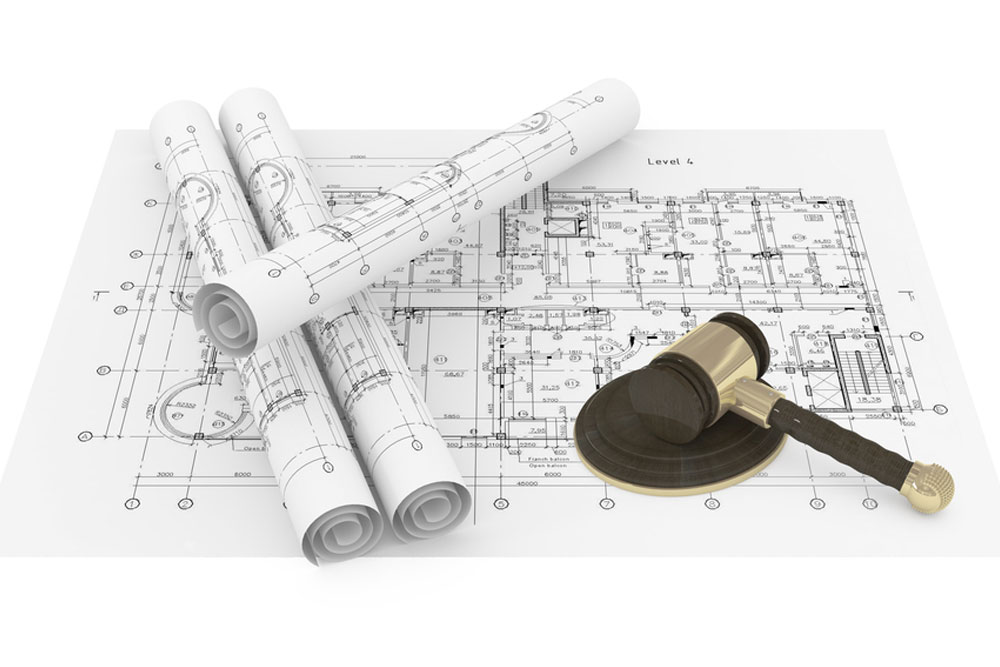
Protecting Your Architectural Designs from Copyright Infringement
In the competitive field of architecture, your designs are not just blueprints; they are the culmination of creativity, expertise, and hard work. Unfortunately, this also makes them vulnerable to copyright infringement, which can have serious implications for your practice. Understanding how copyright law applies to architectural designs and taking proactive steps to protect your work is essential for safeguarding your intellectual property. This blog provides insights into copyright protection for architects and strategies to mitigate the risk of infringement.
Understanding Copyright in Architecture
Copyright law grants creators exclusive rights to their original works, allowing them to control how those works are used and distributed. In the context of architecture, copyright protection extends to the following:
- Architectural Works: This includes the design of buildings and structures, as well as plans, drawings, and models. Architectural designs that exhibit originality can be protected under copyright law, provided they are fixed in a tangible medium.
- Blueprints and Drawings: The specific representations of architectural designs, such as blueprints, CAD drawings, and sketches, are also protected by copyright. This means that anyone who wants to use these works must obtain permission from the copyright holder.
- Architectural Renderings: Visual representations of architectural projects, such as 3D renderings and photographs, can also receive copyright protection.
It’s important to note that copyright does not protect the underlying ideas or concepts behind a design; rather, it protects the expression of those ideas. This distinction means that while another architect can create a similar building, they cannot copy your specific design elements without permission.
Why Protecting Your Designs is Crucial
- Maintaining Control: Protecting your architectural designs allows you to maintain control over how your work is used. This includes licensing your designs for specific projects or preventing unauthorized reproductions.
- Financial Implications: Copyright infringement can lead to financial losses if someone else profits from your work without compensating you. Ensuring proper copyright protection helps safeguard your revenue streams.
- Reputation Management: As an architect, your reputation is closely tied to the quality and originality of your designs. Infringement can dilute your brand and lead to negative perceptions in the industry.
Strategies for Protecting Your Architectural Designs
- Register Your Copyrights: While copyright protection is automatic upon the creation of an original work, registering your copyright with the U.S. Copyright Office provides additional legal benefits. Registration allows you to file a lawsuit for infringement and can increase your chances of receiving statutory damages and attorney’s fees in the event of a dispute.
- Use Copyright Notices: Including a copyright notice on your designs, plans, and marketing materials can serve as a deterrent to potential infringers. A simple statement like “© [Your Name/Your Firm] [Year]” clearly indicates ownership and asserts your rights.
- Create and Maintain Documentation: Keep thorough records of your design process, including drafts, sketches, emails, and communications with clients. This documentation can be valuable in proving the originality of your work in case of an infringement claim.
- License Your Designs: When working with clients or contractors, consider including licensing agreements that specify how your designs can be used. Clearly outline the scope of use, duration, and any restrictions. This not only protects your intellectual property but also establishes clear expectations with clients.
- Monitor for Infringement: Stay vigilant by monitoring the market for potential infringements of your work. Regularly check online platforms, publications, and competitor projects for unauthorized use of your designs. If you suspect infringement, consult with legal counsel promptly.
- Educate Your Team: Ensure that all members of your firm understand the importance of copyright protection. Provide training on how to handle design materials and the protocols for sharing work with clients and third parties.
- Utilize Non-Disclosure Agreements (NDAs): When sharing your designs with clients, contractors, or collaborators, consider using NDAs to protect your intellectual property. These agreements establish a legal obligation for parties to maintain confidentiality regarding your designs.
- Seek Legal Counsel: Consulting with an attorney who specializes in intellectual property and construction law can provide valuable guidance on copyright protection and strategies for safeguarding your work. They can help you navigate the complexities of copyright law and address any infringement issues that arise.
How We Can Help
At Stryker Slev Law Group, we understand the challenges architects face in protecting their designs from copyright infringement. Our experienced attorneys specialize in construction defect and commercial real estate law, offering comprehensive legal support tailored to the needs of architects in San Diego, Los Angeles, and Southern California.
Whether you need assistance with copyright registration, drafting licensing agreements, or addressing potential infringement claims, we are here to help. Our firm’s extensive knowledge of construction and intellectual property law positions us as a trusted partner for your legal needs.
If you’re an architect seeking to enhance your understanding of copyright protection and safeguard your designs, contact Stryker Slev Law Group today. Together, we can build a solid foundation for your success and protect your creative work in the competitive architectural landscape.
Related reading: How to Protect Your Architect Firm from Construction Defect Lawsuits | Protecting Your Investment: Avoiding Construction Conflicts in LA
 by Admin
Risk Management Tips for Architect Firms in High-Value Construction Projects
In the world of architecture, high-value construction projects present unique challenges and opportunities. While the potential rewards can be significant, the risks associated with these projects are equally considerable. Effective risk management is crucial for architect firms to protect their interests, minimize liabilities, and ensure successful project completion. This blog outlines key risk management tips specifically tailored for architect firms engaged in high-value construction projects.
1. Comprehensive Project Planning
The foundation of effective risk management lies in comprehensive project planning. Architect firms should take the time to develop detailed project plans that outline the scope, objectives, timelines, and deliverables. Key steps in project planning include:
- Define Roles and Responsibilities: Clearly outline the roles and responsibilities of all team members, including architects, engineers, contractors, and subcontractors. This ensures that everyone understands their duties and helps prevent misunderstandings.
- Establish Realistic Timelines: Set realistic timelines that account for potential delays and contingencies. High-value projects often involve complex designs and multiple stakeholders, so flexibility in timelines can mitigate risks associated with time overruns.
- Identify Key Milestones: Establish key milestones throughout the project to monitor progress and make adjustments as needed. Regularly reviewing milestones can help identify potential issues before they escalate.
2. Thorough Contract Review and Negotiation
Contracts are a critical aspect of managing risk in construction projects. Architect firms must carefully review and negotiate contracts to protect their interests. Important considerations include:
- Clarity in Scope of Work: Ensure that the scope of work is clearly defined in the contract. Ambiguities can lead to disputes over responsibilities and expectations.
- Liability Limitations: Include clauses that limit liability for unforeseen circumstances, such as natural disasters or changes in regulations. This helps protect the firm from excessive financial exposure.
- Dispute Resolution Provisions: Outline the procedures for resolving disputes, including mediation and arbitration. Establishing clear pathways for conflict resolution can reduce the likelihood of litigation.
3. Risk Assessments
Conducting thorough risk assessments is essential for identifying potential hazards associated with high-value construction projects. Architect firms should:
- Analyze Potential Risks: Identify risks related to design, construction, environmental factors, and regulatory compliance. This proactive approach enables firms to address issues before they arise.
- Develop Mitigation Strategies: For each identified risk, develop strategies to mitigate its impact. This may involve implementing safety measures, establishing contingency plans, or securing additional resources.
- Engage Stakeholders: Involve key stakeholders in the risk assessment process to gain insights and perspectives on potential challenges. This collaborative approach enhances the effectiveness of risk management strategies.
4. Effective Communication
Open and effective communication is vital for successful risk management. Architect firms should prioritize communication with all parties involved in the project, including clients, contractors, and consultants. Key communication strategies include:
- Regular Updates: Provide regular updates to clients and stakeholders regarding project progress, potential issues, and changes to the plan. Transparency fosters trust and collaboration.
- Feedback Mechanisms: Establish mechanisms for receiving feedback from team members and stakeholders. Encouraging open dialogue can help identify concerns early and address them promptly.
- Documentation of Communications: Keep detailed records of all communications, including emails, meeting notes, and contracts. This documentation serves as a valuable resource in the event of disputes or claims.
5. Quality Control Processes
Implementing robust quality control processes is essential for minimizing risks associated with design and construction defects. Architect firms should:
- Establish Quality Standards: Define quality standards that all project deliverables must meet. This includes adhering to industry best practices, building codes, and client specifications.
- Conduct Regular Inspections: Schedule regular inspections throughout the construction process to ensure compliance with quality standards. Early detection of issues can prevent costly corrections later.
- Utilize Technology: Leverage technology such as Building Information Modeling (BIM) to enhance design accuracy and collaboration among project stakeholders. Technology can help identify potential conflicts and streamline communication.
6. Insurance and Liability Coverage
Adequate insurance coverage is a critical component of risk management for architect firms involved in high-value construction projects. Firms should:
- Review Insurance Policies: Regularly review insurance policies to ensure they provide adequate coverage for potential liabilities, including professional liability, general liability, and workers’ compensation.
- Consider Additional Coverage: Depending on the project’s nature, additional coverage, such as environmental liability or builder’s risk insurance, may be necessary to protect against specific risks.
- Consult with Insurance Experts: Work with insurance brokers or risk management professionals to evaluate coverage options and ensure the firm is adequately protected.
7. Legal Support
Having access to experienced legal counsel is essential for architect firms involved in high-value construction projects. Legal experts can:
- Review Contracts: Ensure that contracts are comprehensive and protect the firm’s interests.
- Advise on Compliance: Provide guidance on regulatory compliance and best practices to mitigate legal risks.
- Assist in Dispute Resolution: Offer support in navigating disputes and developing effective strategies for resolution, whether through mediation, arbitration, or litigation.
How We Can Help
At Stryker Slev Law Group, we understand the complexities and challenges that architect firms face in high-value construction projects. Our experienced attorneys specialize in construction defect and commercial real estate law, providing comprehensive legal support tailored to the needs of architects in San Diego, Los Angeles, and Southern California.
Whether you need assistance with risk management strategies, contract negotiation, regulatory compliance, or dispute resolution, we are here to help. Our firm’s extensive knowledge of construction law positions us as a trusted partner for your legal needs.
If you’re an architect looking to enhance your risk management practices and protect your interests in high-value construction projects, contact Stryker Slev Law Group today. Together, we can build a solid foundation for your success and safeguard your firm’s reputation in the industry.
Related reading: How Architect Firms Can Prepare for Construction Defect Litigation | The Role of Construction Attorneys in Supporting Architect Firms
 by Admin
How California’s Changing Environmental Laws Affect Construction Projects
California is renowned for its strict environmental laws, which are designed to protect natural resources and promote sustainable development. As environmental concerns continue to rise, state regulations are increasingly evolving, leading to significant implications for construction projects. For architects, contractors, and developers, understanding these changes is essential for ensuring compliance, managing risks, and delivering successful projects. In this blog, we will explore how California’s changing environmental laws impact construction and what industry professionals can do to adapt effectively.
Overview of Key Environmental Laws
California’s regulatory framework encompasses a variety of laws that affect construction projects, including:
- California Environmental Quality Act (CEQA): CEQA requires state and local agencies to assess the environmental impacts of proposed projects. This includes evaluating potential effects on air quality, water resources, and community health. Changes in CEQA regulations have made the review process more comprehensive, which can extend project timelines and increase costs.
- Green Building Standards Code (CALGreen): The CALGreen code sets mandatory standards for energy efficiency, water conservation, and sustainable building practices in California. Recent updates to CALGreen have introduced more stringent requirements, making it essential for architects and builders to prioritize sustainability in their designs.
- California Clean Air Act: This act regulates air quality by setting emissions standards for various sources, including construction activities. With the state’s ongoing air quality challenges, new regulations may impose stricter limits on construction emissions, requiring additional measures to control dust and pollution.
- California Water Code: This code governs the management of the state’s water resources, with specific attention to stormwater runoff and wastewater management. Recent changes have increased scrutiny on construction projects to ensure they do not harm water quality or exacerbate flooding.
- California’s Climate Goals: California has set ambitious climate goals, including achieving carbon neutrality by 2045. This overarching environmental policy influences various regulations that affect how construction projects are designed and executed, emphasizing the use of renewable energy and sustainable materials.
Impacts of Changing Environmental Laws on Construction Projects
- Increased Compliance Costs: As environmental laws evolve, compliance costs for construction projects are likely to rise. Builders may need to invest in additional resources for environmental assessments, sustainability certifications, and compliance reporting. It is crucial for project budgets to account for these potential expenses.
- Longer Approval Timelines: Stricter environmental reviews can lead to longer approval processes for construction projects. Architects and developers must prepare for potential delays and proactively engage with regulatory agencies to facilitate smoother approvals.
- Greater Liability Risks: With the increasing emphasis on environmental compliance, architects and contractors may face heightened liability risks associated with non-compliance. A failure to adhere to regulations can result in legal claims, fines, and reputational damage. Implementing robust compliance practices is critical for risk management.
- Shift Toward Sustainable Practices: California’s changing environmental laws encourage a greater focus on sustainable construction practices. Architects and builders are prompted to adopt innovative design solutions, such as energy-efficient systems, sustainable materials, and low-impact development practices. This shift not only aligns with regulatory requirements but also enhances the overall marketability of projects.
- Public Scrutiny and Community Engagement: As public awareness of environmental issues grows, construction projects are often subject to greater scrutiny from communities and stakeholders. Engaging with the public early in the planning process can help address concerns and foster support for projects.
Strategies for Navigating Changing Environmental Laws
- Stay Informed: It is essential for architects and contractors to stay informed about changes in environmental laws and regulations. Regularly reviewing updates from state agencies and participating in industry workshops can provide valuable insights into compliance requirements.
- Conduct Comprehensive Environmental Assessments: Before commencing a project, conduct thorough environmental assessments to identify potential impacts. Engaging environmental consultants can help ensure that all aspects of compliance are addressed, particularly for projects that may affect sensitive areas.
- Incorporate Sustainability into Design: Prioritizing sustainable design principles that align with California’s environmental goals can streamline compliance. This includes utilizing renewable energy sources, selecting sustainable materials, and implementing water-saving technologies.
- Build Strong Relationships with Regulatory Agencies: Establishing positive relationships with local regulatory agencies can facilitate smoother project approvals. Engaging in open communication and addressing concerns early in the process can help navigate potential challenges.
- Document Compliance Efforts: Keeping detailed records of compliance efforts, including assessments, communications, and mitigation measures, is crucial. This documentation can serve as evidence of compliance if challenges or claims arise in the future.
- Implement Training Programs: Providing training for staff and contractors on environmental compliance and best practices can foster a culture of responsibility within the firm. This ensures that everyone involved in the project understands their roles in maintaining compliance.
How We Can Help
At Stryker Slev Law Group, we understand the complexities of California’s evolving environmental laws and their implications for construction projects. Our experienced attorneys specialize in construction defect and commercial real estate law, providing comprehensive legal support tailored to the needs of architects, contractors, and developers in San Diego, Los Angeles, and Southern California.
Whether you need assistance navigating regulatory compliance, addressing environmental claims, or implementing risk management strategies, we are here to help. Our firm’s extensive knowledge of construction law positions us as a trusted partner for your legal needs.
If you are involved in a construction project and looking to understand how California’s changing environmental laws affect your work, contact Stryker Slev Law Group today. Together, we can navigate the complexities of environmental compliance and protect your interests in every project.
Related reading: Risk Management Tips for Architect Firms in High-Value Construction Projects | What Are the Latest Commercial Real Estate Laws That Affect Your Investment?
 by Admin
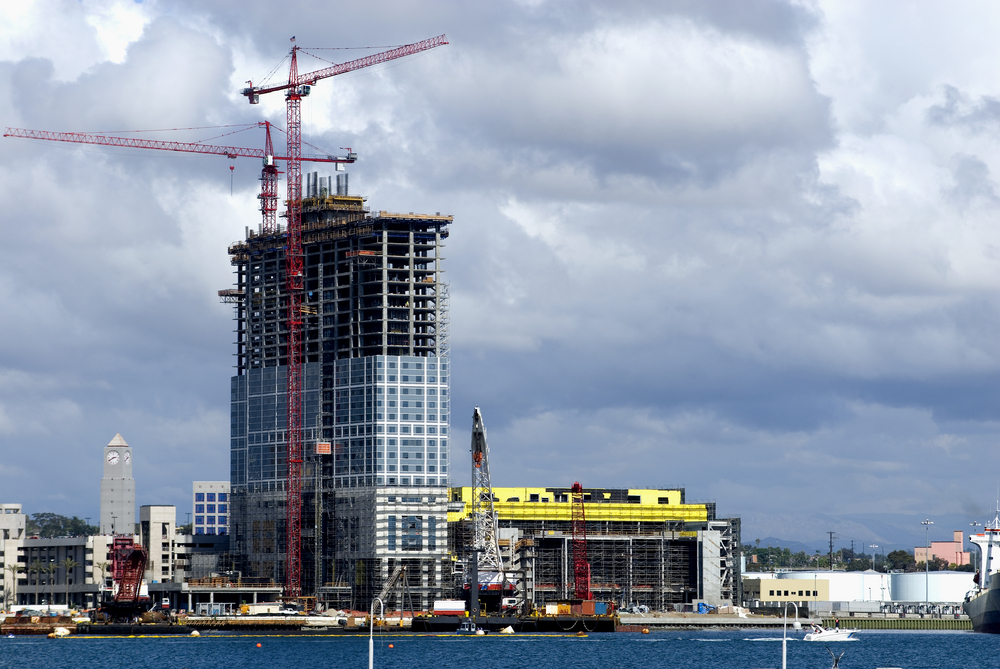
How to Prevent Construction Delays and Avoid Costly Legal Issues
Construction delays can lead to significant financial losses, strained relationships, and even legal disputes. For architects, contractors, and developers involved in high-stakes projects, understanding how to prevent these delays is essential. Effective risk management strategies and proactive planning can help mitigate the chances of delays, ensuring smooth project execution and avoiding costly legal issues. This blog explores actionable steps to prevent construction delays and the legal ramifications that can arise from them.
1. Thorough Planning and Project Management
Effective project management begins with thorough planning. Taking the time to create a detailed project plan can significantly reduce the risk of delays.
- Define Clear Objectives: Establish clear goals and objectives for the project, outlining what success looks like. This includes timelines, budgets, and deliverables.
- Develop a Comprehensive Schedule: Create a realistic project schedule that outlines key milestones and deadlines. Consider potential delays and build in buffer time for unforeseen circumstances.
- Assign Responsibilities: Clearly define roles and responsibilities for all team members involved in the project. Ensuring everyone knows their tasks helps streamline communication and reduces the chances of miscommunication.
2. Effective Communication
Open and transparent communication is crucial in preventing delays in construction projects.
- Regular Meetings: Hold regular project meetings to discuss progress, address concerns, and identify potential issues early on. This allows for timely adjustments and ensures that everyone is aligned.
- Utilize Project Management Tools: Leverage technology and project management software to facilitate communication and collaboration among team members. These tools can help track progress, manage tasks, and share important updates in real-time.
- Document Everything: Maintain thorough documentation of all communications, decisions, and changes made during the project. This record-keeping can serve as valuable evidence if disputes arise.
3. Comprehensive Contract Negotiation
Contracts are fundamental in defining the expectations and obligations of all parties involved in a construction project. Properly negotiated contracts can help prevent delays and mitigate legal risks.
- Clearly Define Scope of Work: Ensure that the scope of work is detailed and unambiguous in the contract. Clearly outlining responsibilities can help prevent disputes and misunderstandings.
- Include Timelines and Milestones: Specify timelines and milestones in the contract to hold parties accountable for their performance. This encourages adherence to schedules and helps identify delays early.
- Dispute Resolution Clauses: Include clauses that outline the preferred methods for resolving disputes, such as mediation or arbitration. Having a clear process in place can expedite resolution and prevent lengthy litigation.
4. Addressing Permitting and Regulatory Compliance
Delays often occur due to issues with permits and regulatory compliance. To minimize these risks, architect firms should:
- Research Local Regulations: Understand local zoning laws, building codes, and permit requirements early in the planning phase. Engaging with regulatory agencies can help ensure compliance and avoid potential setbacks.
- Secure Permits in Advance: Start the permitting process as early as possible. Delays in obtaining necessary permits can significantly impact project timelines.
- Stay Updated on Changes: Regulations can change frequently, so it’s essential to stay informed about any updates that may affect your project.
5. Quality Control and Risk Management
Implementing quality control measures throughout the construction process can help identify potential issues before they escalate.
- Regular Inspections: Conduct regular inspections to ensure compliance with design specifications, quality standards, and safety regulations. Early identification of defects allows for timely corrections.
- Develop a Risk Management Plan: Create a risk management plan that identifies potential risks associated with the project and outlines strategies for mitigating those risks. Regularly review and update this plan as needed.
- Engage Experts: Involve subject matter experts in the design and construction processes. Their expertise can help prevent issues that may lead to delays or defects.
6. Flexibility and Adaptability
Despite careful planning, unexpected challenges can arise during construction projects. Being flexible and adaptable can help manage these situations effectively.
- Prepare for Change: Acknowledge that changes may be necessary during the project, whether due to client requests, unforeseen site conditions, or regulatory changes. Having a clear process for managing changes can help minimize disruptions.
- Maintain Open Communication: Keep communication channels open with clients and stakeholders to discuss changes and their potential impact on the project timeline. Collaborative problem-solving can lead to effective solutions.
7. Legal Support
Having access to legal counsel experienced in construction law can be invaluable in preventing delays and addressing issues as they arise.
- Review Contracts and Compliance: Consult with a construction attorney to review contracts and ensure compliance with relevant laws and regulations. Their expertise can help identify potential legal pitfalls.
- Assist in Dispute Resolution: If disputes arise, legal counsel can help facilitate resolution through negotiation, mediation, or arbitration, minimizing the impact on project timelines.
How We Can Help
At Stryker Slev Law Group, we understand the complexities of managing high-value construction projects and the potential legal challenges that can arise. Our experienced attorneys specialize in construction defect and commercial real estate law, providing comprehensive legal support tailored to the needs of architects, contractors, and developers in San Diego, Los Angeles, and Southern California.
Whether you need assistance with contract negotiation, regulatory compliance, risk management strategies, or dispute resolution, we are here to help. Our firm’s extensive knowledge of construction law positions us as a trusted partner for your legal needs.
If you’re looking to prevent construction delays and avoid costly legal issues in your projects, contact Stryker Slev Law Group today. Together, we can build a solid foundation for your success and safeguard your interests in every project.
Related reading: How to Avoid Common Real Estate Legal Issues? | What to Do When a Construction Project Delays?
 by Admin
Environmental Compliance for Architect Firms: What You Need to Know
As architects increasingly prioritize sustainability and environmental stewardship in their projects, understanding environmental compliance has become essential. In California, the regulatory landscape regarding environmental protection is complex and constantly evolving. Architects must navigate federal, state, and local regulations to ensure compliance and avoid legal liabilities. This blog outlines key considerations and best practices for architect firms to effectively manage environmental compliance.
Understanding Environmental Compliance
Environmental compliance refers to the adherence to laws, regulations, and standards designed to protect the environment. For architects, this includes a wide range of issues related to:
- Air Quality: Compliance with regulations governing emissions from construction activities, including dust control and the use of volatile organic compounds (VOCs) in materials.
- Water Quality: Adhering to regulations that protect water resources from contamination, including stormwater management and wastewater discharge.
- Waste Management: Proper handling, recycling, and disposal of construction waste, as well as compliance with hazardous waste regulations.
- Endangered Species and Habitat Protection: Ensuring that projects do not disrupt or destroy habitats for protected species or environmentally sensitive areas.
Key Regulations Affecting Architects
- California Environmental Quality Act (CEQA): CEQA is a landmark statute that requires state and local agencies to evaluate the environmental impacts of their projects before approval. Architects must work closely with developers and agencies to prepare Environmental Impact Reports (EIRs) or Initial Studies, identifying potential impacts and proposing mitigation measures.
- National Environmental Policy Act (NEPA): NEPA applies to federal projects and requires an assessment of environmental impacts. Architects involved in federal projects must understand how NEPA interacts with CEQA and other local regulations.
- Clean Air Act: This federal law regulates air emissions from stationary and mobile sources. Architects should be aware of air quality standards and how their projects might impact local air quality, particularly in urban areas with existing pollution concerns.
- Clean Water Act: Regulating discharges of pollutants into U.S. waters, the Clean Water Act mandates compliance with National Pollutant Discharge Elimination System (NPDES) permits. Architects must consider water quality issues during the design phase, especially for projects near bodies of water.
- Hazardous Waste Regulations: Compliance with hazardous waste regulations is crucial for managing materials that could pose a risk to human health or the environment. Architects should ensure that their projects include plans for the safe handling and disposal of hazardous materials.
Best Practices for Ensuring Environmental Compliance
- Incorporate Sustainability in Design: Architects should prioritize sustainable design principles that minimize environmental impact. This includes selecting environmentally friendly materials, optimizing energy efficiency, and designing for water conservation. Incorporating sustainability from the outset can simplify compliance with environmental regulations.
- Conduct Environmental Assessments: Before commencing any project, conduct thorough environmental assessments to identify potential impacts. Engaging environmental consultants can help ensure that all aspects of compliance are addressed, particularly for complex projects that may affect sensitive areas.
- Stay Informed About Regulatory Changes: Environmental regulations are frequently updated. Architects should stay informed about changes to federal, state, and local regulations that may affect their projects. Attending workshops, seminars, and training sessions can help keep architects updated on compliance requirements.
- Collaborate with Environmental Experts: Collaborating with environmental engineers, consultants, and specialists can provide valuable insights into regulatory compliance. These professionals can assist in navigating complex environmental laws and help architects develop effective mitigation strategies.
- Document Compliance Efforts: Maintaining detailed records of compliance efforts, including assessments, communications, and mitigation measures, is crucial. This documentation can serve as evidence of compliance if challenges or claims arise in the future.
- Communicate with Stakeholders: Open communication with clients, contractors, and regulatory agencies is essential for ensuring compliance. Keeping all stakeholders informed about environmental requirements and project impacts can facilitate smoother project execution and minimize disputes.
- Develop an Environmental Management Plan: An Environmental Management Plan (EMP) outlines the procedures and policies that will be implemented to ensure compliance throughout the project lifecycle. The EMP should address waste management, air quality, water quality, and other relevant environmental issues.
- Training and Education: Providing training for staff and contractors on environmental compliance and best practices can foster a culture of responsibility within the firm. This ensures that everyone involved in the project understands their roles in maintaining compliance.
- Implement Monitoring Protocols: Establish monitoring protocols to assess compliance during construction. Regular inspections can help identify and address potential environmental issues before they escalate.
- Engage Legal Counsel: Consulting with attorneys specializing in environmental law can provide architects with valuable insights into compliance requirements and potential liabilities. Legal counsel can help navigate the complexities of regulations and offer guidance on best practices.
How We Can Help
At Stryker Slev Law Group, we understand the challenges architects face in navigating California’s environmental regulations and compliance requirements. Our experienced attorneys specialize in construction defect and commercial real estate law, providing comprehensive legal support tailored to the needs of architects in San Diego, Los Angeles, and Southern California.
Whether you need assistance with environmental assessments, contract negotiation, or addressing compliance issues, we are here to help. Our firm’s extensive knowledge of construction and environmental law positions us as a trusted partner for your legal needs.
If you are an architect seeking to enhance your understanding of environmental compliance and ensure that your projects adhere to regulations, contact Stryker Slev Law Group today. Together, we can navigate the complexities of environmental law and protect your interests in every project.
Related reading: Why Architect Firms Need a Construction Defect Attorney | Risk Management Tips for Architect Firms in High-Value Construction Projects