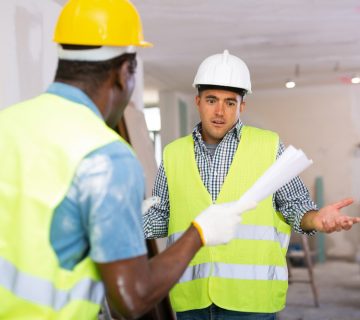
Construction projects in Los Angeles are complex undertakings that require coordination between developers, architects, engineers, contractors, subcontractors, inspectors, and project managers. With so many parties involved, even small misunderstandings can quickly escalate into serious problems. In many construction disputes across Southern California, the root cause is not always defective work or bad intentions—it is poor communication.
Clear communication plays a vital role in ensuring that construction projects move forward smoothly, stay within budget, and comply with regulatory requirements. When communication breaks down, the consequences can include project delays, cost overruns, contractual disputes, and construction defect claims.
For developers and contractors working in the Los Angeles market, implementing strong communication systems is not simply a management practice—it is an essential risk management strategy.
Why Communication Matters in Large Los Angeles Construction Projects
Los Angeles construction projects often involve multiple contractors working simultaneously across different stages of development. These projects may include commercial buildings, mixed-use developments, high-end residential properties, or large infrastructure improvements.
Each phase of construction depends on coordination between trades. When one team does not communicate clearly with another, problems can quickly arise.
Common communication breakdowns in construction projects include:
- Unclear instructions regarding design specifications
- Scheduling conflicts between subcontractors
- Misinterpretation of architectural plans
- Failure to document change orders
- Delayed reporting of construction issues
- Lack of coordination between project managers and field teams
When these communication failures occur, they can trigger disputes between contractors and subcontractors, increase liability exposure, and potentially lead to costly litigation.
Communication Failures That Lead to Construction Disputes
Many construction disputes that end up in litigation could have been prevented through better communication practices during the project.
Misinterpretation of Plans and Specifications
Architectural drawings and engineering plans are essential for guiding construction work. However, if plans are unclear or changes are not properly communicated, subcontractors may interpret instructions differently.
This can result in:
- Incorrect installations
- Construction defects
- Expensive rework
- Disputes over responsibility for errors
Regular design review meetings and clarification requests can help prevent misunderstandings before they affect the project.
Unrecorded Verbal Instructions
Another common issue occurs when project decisions are communicated verbally but never documented. In fast-paced construction environments, site supervisors may give verbal directions that alter the scope of work.
If those changes are not documented in writing, conflicts may arise later regarding:
- Additional costs
- Scope responsibilities
- Project delays
- Payment disputes
Maintaining written records of all major decisions is critical for avoiding these disputes.
The Role of Documentation in Construction Communication
Effective communication in construction is not just about talking—it is about proper documentation. Written records create accountability and provide clarity if disagreements arise later.
Key Documents That Prevent Disputes
- Construction contracts
- Subcontractor agreements
- Change order forms
- Project schedules
- Inspection reports
- Daily construction logs
These documents ensure that everyone involved in the project understands their responsibilities and the expectations for performance.
In construction litigation, these records often become crucial evidence when determining liability for delays or defects.
Improving Coordination Between Contractors and Subcontractors
One of the most common sources of conflict in Los Angeles construction projects is poor coordination between contractors and subcontractors.
When subcontractors are not properly informed about scheduling changes, design updates, or jobsite conditions, it can lead to inefficiencies and disagreements.
Strategies to Improve Project Communication
- Hold regular project coordination meetings
- Provide clear written project updates
- Maintain centralized communication platforms
- Ensure project managers relay updates to field teams
- Encourage early reporting of potential issues
By implementing these strategies, developers and contractors can significantly reduce the likelihood of misunderstandings that lead to disputes.
The Impact of Poor Communication on Project Costs
Communication breakdowns can have significant financial consequences for construction projects.
When problems are not identified early, they often become more expensive to resolve. A small misunderstanding about installation procedures, for example, may require demolition and reconstruction if discovered late in the project.
Financial consequences of poor communication may include:
- Construction delays
- Increased labor costs
- Material waste
- Schedule penalties
- Legal claims between contractors
These issues can damage professional relationships and threaten the success of high-value developments.
Legal Risks Associated With Communication Failures
Communication failures do not just cause logistical problems—they can also create significant legal risks.
Construction disputes in California may involve allegations such as:
- Breach of contract
- Construction defects
- Professional negligence
- Project delay claims
- Payment disputes
When disputes escalate, developers and contractors may face litigation that can delay project completion and increase costs.
Having clear documentation and communication protocols in place can help reduce liability and strengthen a company’s legal position if disputes arise.
How Technology is Improving Communication in Construction
Modern construction projects increasingly rely on technology to streamline communication between teams. Digital project management platforms allow contractors and developers to share updates, track schedules, and document changes in real time.
These tools can improve transparency and reduce misunderstandings across the project team.
Examples of Communication Technology Used in Construction
- Project management software
- Digital blueprint sharing
- Real-time scheduling tools
- Field reporting applications
- Cloud-based documentation systems
By integrating these tools into project workflows, construction professionals can maintain better visibility into project progress and quickly address emerging issues.
How we can help
At Stryker Slev Law Group, we represent developers, architects, contractors, and construction professionals in complex construction defect and commercial real estate matters throughout San Diego, Los Angeles, and Southern California.
Our firm is known for approaching construction and real estate disputes in a strategic and intelligent way. With decades of experience handling high-value cases, we understand how communication failures can lead to costly conflicts during major construction projects.
We assist clients with:
- Drafting and reviewing construction contracts
- Resolving contractor and subcontractor disputes
- Handling construction defect litigation
- Protecting developers from liability claims
- Providing strategic legal guidance for complex projects
Whether you are managing a major development in Los Angeles or navigating a construction dispute in Southern California, our team works proactively to protect your interests and help ensure your project remains on track.