In the world of construction, managing timelines and staying on schedule is vital for both contractors and clients. In a city like Los Angeles, where construction projects are constantly underway, weather plays a crucial role in determining how smoothly a project proceeds. While Los Angeles is known for its sunny weather, the city experiences seasonal variations and extreme conditions that can delay or disrupt construction work. Understanding the impact of weather on construction timelines can help businesses better prepare and mitigate risks associated with weather delays.
Common Weather Challenges in Los Angeles
- Rain and Storms
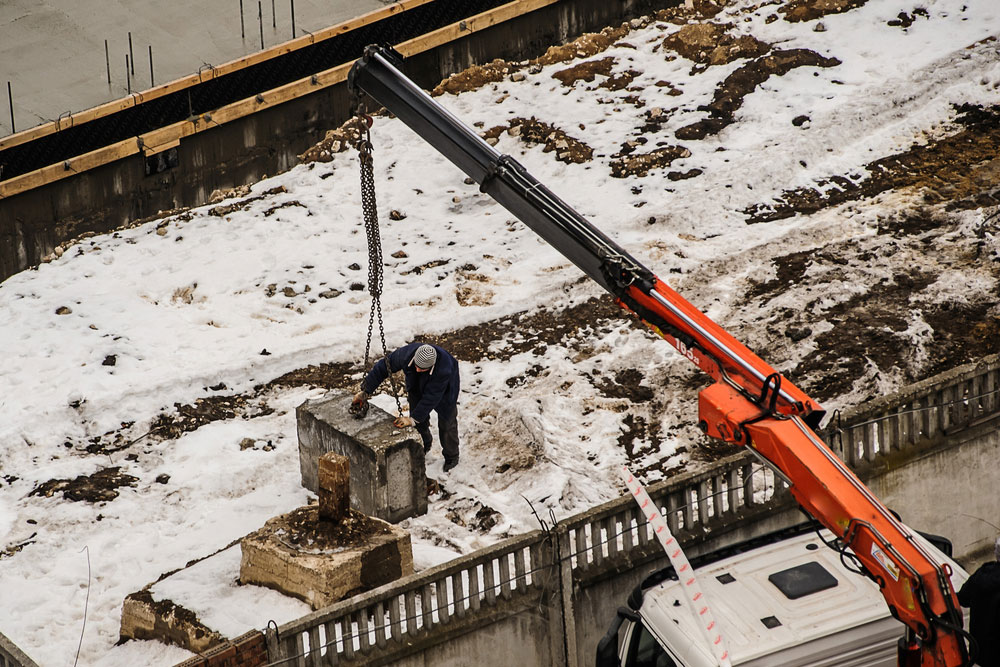
Although Los Angeles does not see as much rainfall as other cities, it does have a rainy season during the winter months. Heavy rain can lead to a number of construction delays, including unsafe work conditions, slippery surfaces, and interruptions in material delivery. When it rains, construction sites can become hazardous, leading to stoppages for safety reasons. Additionally, rain can hinder the curing of materials such as concrete and paint, requiring extended wait times before continuing work. - Heatwaves and High Temperatures
Another common weather challenge in Los Angeles is the extreme heat. During the summer months, temperatures can soar above 100°F (38°C), which can affect both workers and the materials they are using. High temperatures can cause materials like asphalt and concrete to cure too quickly, compromising the quality of the work. Workers may also face heat exhaustion, reducing their ability to work effectively and safely. These conditions lead to a slowdown in progress and may force contractors to adjust schedules, working during cooler hours of the day or rescheduling certain tasks. - Wind and Dust
Windstorms, especially in the dry summer months, are another weather concern for construction projects in Los Angeles. High winds can cause safety hazards, such as blowing debris or toppling construction materials, which could delay work and even result in damage to structures under construction. In addition, dust storms, which are more common in the surrounding desert regions, can reduce visibility on job sites, delay material deliveries, and create difficult working conditions. - Fog and Reduced Visibility
While fog is not as frequent as other weather events, it does occur occasionally, especially in the coastal regions of Los Angeles. Fog reduces visibility, making it dangerous for workers to operate machinery, navigate the site, and complete tasks. Additionally, fog can delay deliveries and inspections, further extending the timeline of a project.
Legal Implications of Weather Delays
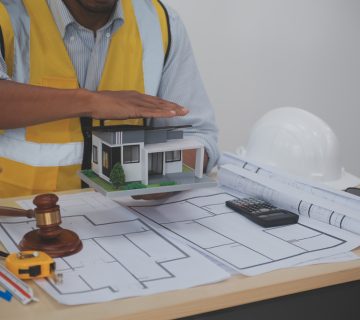
Understanding the potential for weather delays is important not just for planning and logistics but also for legal purposes. Delays caused by weather are typically categorized as “force majeure,” which refers to unforeseeable circumstances that prevent a party from fulfilling their obligations under a contract. In the construction industry, force majeure clauses in contracts often include weather-related events as an acceptable reason for delays.
However, it’s important for contractors, subcontractors, and property owners to document these weather delays thoroughly to avoid disputes later on. This documentation should include weather reports, photographs of the conditions on the job site, and communication logs to ensure the delay is properly recorded and can be used as evidence if necessary. Failure to do so could lead to misunderstandings or liability for unexcused delays.
Managing Weather-Related Delays
There are steps construction firms can take to minimize the impact of weather on construction timelines. These include:
- Scheduling Flexibility
When planning a construction project, it is important to account for potential weather delays. Contractors should build some flexibility into the schedule to accommodate for disruptions caused by rain or extreme heat. This means having buffer time built into the timeline to help prevent delays from becoming significant setbacks. - Weather Monitoring and Forecasting
Technology plays an important role in forecasting weather conditions that might affect a project. By closely monitoring the weather, construction firms can prepare for upcoming weather events and adjust their work plans accordingly. For example, if a heatwave is expected, crews can be scheduled to work during early mornings or late evenings to avoid the hottest part of the day. - Proper Site Preparation
Construction sites can be made more resilient to weather-related disruptions with proper site preparation. This includes using weather-resistant materials, reinforcing structures to withstand extreme conditions, and ensuring that the site has appropriate drainage to handle rain or runoff. - Clear Communication
Effective communication between contractors, subcontractors, and clients is key when managing weather delays. Having a clear plan in place and keeping all parties informed about potential delays can reduce confusion and frustration, helping to maintain strong working relationships.
How We Can Help
At Stryker Slev Law Group, we understand the complexities of construction defect and commercial real estate law. When it comes to managing weather-related delays, we provide expert legal advice on how to navigate force majeure clauses, mitigate risks, and protect your interests in the event of a dispute. Our team has extensive experience handling high-value real estate and construction cases in San Diego, and Los Angeles, and Southern California. Whether you are facing construction delays due to unforeseen weather conditions or need guidance on how to adjust your contract terms, we are here to help.
Contact us today to learn how we can assist with your construction-related legal needs and ensure your projects stay on track, despite the weather.