

 by Admin
Resolving Payment Disputes with LA Contractors
Payment disputes are among the most common and contentious issues in the construction industry—especially in high-value commercial or residential developments across Los Angeles. Whether you’re a property owner, developer, or contractor, a breakdown in payment can derail projects, sour relationships, and lead to prolonged litigation if not handled correctly.
At Stryker Slev Law Group, we specialize in high-end construction defect and commercial real estate litigation. As one of the oldest and most respected firms serving San Diego, Los Angeles, and Southern California, we don’t just react—we approach disputes smartly, strategically guiding our clients through complex payment conflicts with precision and foresight.
Here’s how you can effectively resolve payment disputes with LA contractors before they become costly legal battles.
Common Causes of Payment Disputes
Construction projects in Los Angeles often involve multiple layers of subcontractors, general contractors, developers, and suppliers. This complex web makes it easier for misunderstandings and disagreements to arise. The most frequent causes of payment disputes include:
- Change orders not approved in writing
- Disagreements over project scope
- Delays in work performance
- Quality concerns or alleged defects
- Disputed lien claims
- Retention not released
- Final payment withheld without justification
These issues can quickly escalate if there is no clear contract language, poor documentation, or ineffective communication between parties.
Step 1: Review the Contract Carefully
The contract is the foundation of any construction relationship. In a payment dispute, your first step should be reviewing the signed agreement:
- Does it define payment milestones clearly?
- Are there provisions for change orders or unforeseen costs?
- What are the timelines and procedures for invoicing, review, and disputes?
In California, many disputes boil down to how well the contract was drafted and whether all parties followed its terms. Ambiguities will work against you—especially in court. This is why having legal counsel review contracts before signing is essential in avoiding payment conflicts later on.
Step 2: Maintain Detailed Documentation
Documentation is your strongest asset when dealing with non-payment or disputes over amounts owed. Ensure that you keep:
- Invoices and payment records
- Time logs, delivery receipts, and progress reports
- Emails, texts, or meeting notes regarding payment concerns
- Change orders signed by all parties
In Los Angeles, where large-scale developments are common, these documents can become vital evidence if litigation or arbitration becomes necessary.
Step 3: Attempt a Strategic Negotiation
Many payment disputes can be resolved without court intervention—if approached strategically. Avoid emotional or accusatory language. Instead, focus on:
- Clarifying the exact amount in dispute
- Referencing the contract or prior agreements
- Providing documentation to support your position
- Offering partial payment or revised schedules when appropriate
At Stryker Slev Law Group, we often help clients draft legally sound, tactful communication to try resolving issues before triggering formal legal remedies. The tone and timing of these messages can significantly influence outcomes.
Step 4: Use Legal Tools When Needed
If negotiation fails, California law offers several tools to protect your rights:
Mechanic’s Liens
A contractor or subcontractor may file a lien against the property if they remain unpaid. Property owners must act quickly to address these, as liens can delay sales, financing, or future development.
Stop Payment Notices
Subcontractors and suppliers may serve a stop payment notice to the project’s lender or owner, freezing funds. This can put intense pressure on general contractors to resolve the dispute.
Prompt Payment Penalties
California’s prompt payment statutes impose financial penalties for delays in payment on both public and private projects. These laws can work in favor of contractors or property owners, depending on the facts.
Litigation or Arbitration
When the stakes are high, litigation or arbitration may be necessary. These proceedings require a strong legal strategy, clear documentation, and an attorney who understands construction law inside and out.
Step 5: Consider Long-Term Risk Management
Payment disputes don’t just cost money—they damage reputations, relationships, and timelines. To prevent future conflicts:
- Use precise, lawyer-reviewed contracts
- Set realistic expectations for costs, schedules, and contingencies
- Use licensed, insured contractors and qualified legal counsel
- Document every step of the project
In a high-pressure construction environment like Los Angeles, these best practices can make or break your project’s profitability and legal safety.
How we can help
At Stryker Slev Law Group, we help our clients take a smarter path through construction disputes. Whether you’re dealing with withheld payments, improper liens, or breach of contract in a multi-million dollar project, we bring the experience, foresight, and legal firepower to resolve your matter efficiently and strategically.
We’ve handled some of the most complex and high-stakes construction cases in Los Angeles and throughout Southern California—and we know how to build a winning case from day one.
Let’s talk before your dispute escalates. We’re here to help you protect your project, your investment, and your peace of mind.
Related reading: How Do You Navigate Payment Disputes in Construction? | How Can an Attorney Help in Resolving Commercial Real Estate Disputes?
 by Admin
How to Document Construction Issues in Los Angeles
Construction projects in Los Angeles often involve multiple contractors, developers, and property owners, making the resolution of defects and disputes a complex legal matter. Whether you’re a property owner, HOA, general contractor, or commercial developer, properly documenting construction issues is critical if you want to preserve your rights and strengthen your legal position.
At Stryker Slev Law Group, one of Southern California’s most experienced and strategic law firms for construction defect and commercial real estate litigation, we’ve helped clients across Los Angeles and San Diego build winning cases by beginning with a solid foundation: documentation.
Here’s what you need to know about documenting construction issues the smart way.
Why Documentation Matters
Construction defects can result in serious financial losses, unsafe structures, or even code violations. However, simply noticing a defect is not enough. In California, construction defect litigation—especially under SB 800 (California’s Right to Repair Act)—relies heavily on your ability to provide evidence that supports:
- The existence of the defect
- The timing of the discovery
- The impact on safety, habitability, or function
- The failure of the responsible party to address the issue
Without clear, well-organized records, your claims can quickly become vulnerable to delays, denials, or dismissals.
Step 1: Start with Visual Evidence
The first step in documenting a construction issue is capturing the defect as clearly as possible:
- Photos and Videos: Take high-resolution photos from multiple angles. Include wide shots for context and close-ups for detail. Video can be helpful to show ongoing problems such as water leaks, cracks that expand over time, or electrical malfunctions.
- Time Stamps: Ensure all photos and videos are time-stamped. This will support your timeline and help prove when the issue was first noticed.
- Progression Documentation: Revisit and re-document the issue if it worsens. This creates a timeline of deterioration that strengthens your legal argument.
Step 2: Maintain a Written Log
Maintain a construction defect journal. This should include:
- Date of Discovery: When did you first notice the issue?
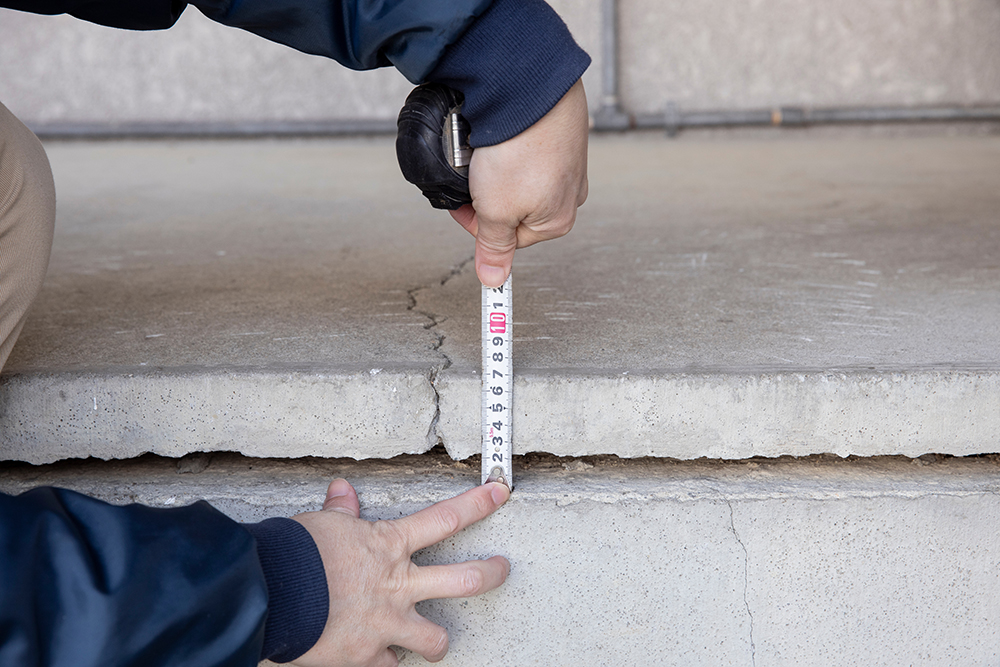
- Detailed Description: Describe the issue in writing—e.g., “Crack in the northeast corner of the garage slab, approx. 3/4 inch wide and growing.”
- Impact: Note any related problems (e.g., water intrusion, electrical short, inability to close doors).
- Communications: Log all discussions with contractors, builders, or property managers about the issue.
This running log can become vital evidence when reconstructing events or responding to claims of delayed reporting.
Step 3: Preserve Communications
Any written communication with the builder, subcontractors, HOA, or general contractor is legally significant:
- Save emails, text messages, and letters.
- Take notes during phone calls or in-person meetings, then email a summary to create a written record.
- Store these in a dedicated folder (physical or digital) labeled by issue or contractor.
Make sure all complaints are made in writing—verbal notices may not hold up in court if the contractor claims they were unaware of the problem.
Step 4: Secure Expert Evaluations
For most construction defect cases, expert opinion is crucial. Don’t wait until litigation begins to bring in qualified professionals:
- Hire a licensed inspector or engineer with experience in defect assessment.
- Request a written report that includes diagrams, measurements, and conclusions about causes.
- Ask for photos and recommendations on necessary repairs or further investigations.
Courts and insurance carriers rely heavily on these professional evaluations when determining responsibility and damages.
Step 5: Keep Repair Records
If you must fix the issue before litigation (due to safety or habitability), save all documents:
- Before-and-after photos
- Invoices and estimates
- Receipts for materials
- Contractor notes or recommendations
These documents can be used to recover costs later if the original party is found liable.
Step 6: Understand Legal Time Limits
In California, most construction defect claims are subject to strict timelines, including:
- 4 years for most patent (obvious) defects
- 10 years for latent (hidden) structural defects
- Shorter notice windows for claims under warranty or SB 800
Failing to act within these timeframes can permanently bar your right to compensation. That’s why early documentation is so important—it gives your legal team the tools to move quickly and effectively when it counts.
How We Can Help
At Stryker Slev Law Group, we don’t just litigate construction defect claims—we strategize them from day one. With decades of experience serving Los Angeles, San Diego, and greater Southern California, our legal team understands the technical and legal complexities behind construction disputes. We approach every case with precision, foresight, and a clear focus on results.
If you’re dealing with construction issues—cracked foundations, water intrusion, stucco failures, HVAC problems, or more—don’t wait. The earlier you document and seek counsel, the stronger your case will be.
Let us help you approach your construction defect claim the smart way. Contact Stryker Slev Law Group today for a consultation.
Related reading: How Can Mediation Help in Construction Disputes? | How to Prevent Construction Delays and Avoid Costly Legal Issues
 by Admin
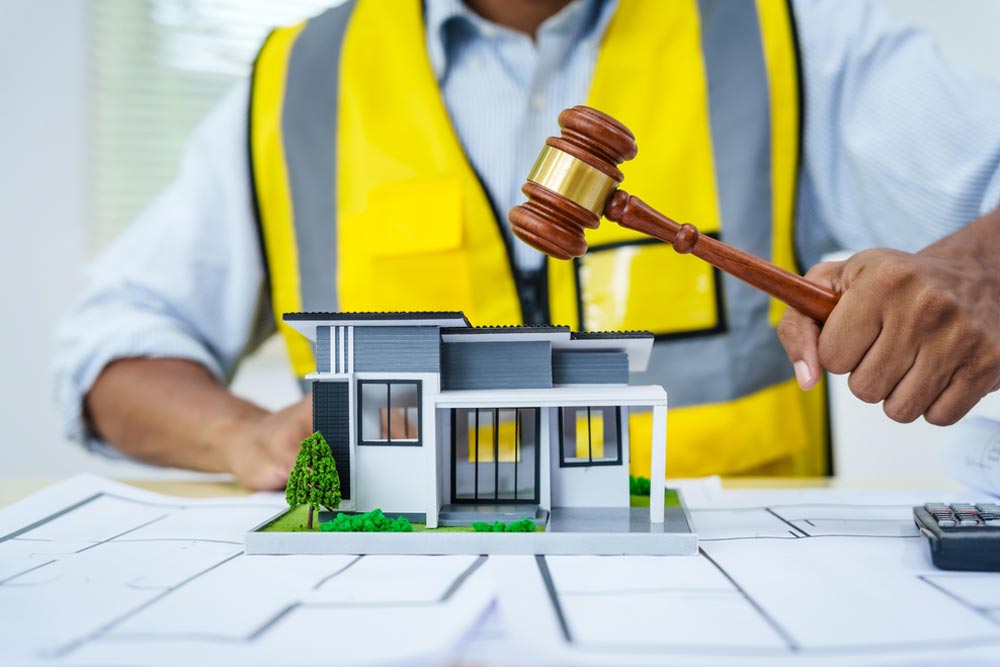
Role of a Construction Lawyer in Los Angeles Disputes
Construction projects in Los Angeles are often large-scale, high-stakes undertakings involving multiple stakeholders, evolving regulations, and strict deadlines. From contractors and developers to architects and commercial property owners, each party is exposed to significant financial and legal risk. When disputes arise, they can quickly derail projects and lead to costly delays or litigation. This is where a seasoned construction lawyer becomes essential.
At Stryker Slev Law Group, we bring decades of experience and a smart, strategic approach to resolving construction and commercial real estate disputes across Los Angeles and Southern California. As one of the oldest and most respected construction defect law firms in the region, we understand what it takes to navigate these challenges—and win.
Understanding Construction Disputes in Los Angeles
Los Angeles, with its booming real estate market and constant urban development, sees a wide range of construction disputes. These disputes often stem from:
- Construction defects (structural issues, water intrusion, code violations)
- Delays and scheduling conflicts
- Breach of contract
- Scope of work disagreements
- Non-payment or delayed payment
- Change order issues
- Regulatory compliance or permit violations
Whether the dispute involves a luxury condominium project, a commercial development, or a government contract, the legal and financial consequences can be significant.
What Does a Construction Lawyer Do?
A construction lawyer is a legal professional who specializes in the laws and regulations governing construction projects. In Los Angeles disputes, the role of a construction lawyer is multifaceted and strategic, involving several key responsibilities:
1. Contract Drafting and Review
Many disputes can be prevented with clearly written contracts. A skilled construction lawyer ensures that contracts include protective clauses, define scope clearly, and lay out timelines, payment terms, and dispute resolution procedures.
2. Risk Management and Compliance
Los Angeles construction projects must comply with numerous building codes, zoning laws, and environmental regulations. A construction attorney helps identify and manage legal risks proactively, avoiding regulatory penalties and project shutdowns.
3. Dispute Resolution and Litigation
When a dispute arises, your lawyer becomes your first line of defense. Whether through negotiation, mediation, arbitration, or litigation, an experienced attorney works to resolve conflicts swiftly and favorably.
4. Claims and Defenses
Construction lawyers handle claims involving:
- Defective workmanship or materials
- Delay damages
- Termination disputes
- Mechanic’s liens
- Bond and insurance claims
They also build defenses against claims brought by subcontractors, owners, or other stakeholders.
5. Expert Coordination
In complex disputes—especially those involving construction defects or engineering issues—your lawyer works with a network of experts such as structural engineers, forensic architects, and cost estimators to build a solid case.
Why Legal Expertise Is Crucial in Los Angeles
Los Angeles presents unique legal challenges that make the role of a construction lawyer even more critical:
- Densely layered permitting and zoning laws
- Strict earthquake and fire safety codes
- Heightened scrutiny on high-profile commercial projects
- Expensive delays caused by environmental or neighborhood opposition
- Litigious climate and high damage potential
Only a construction law firm with deep local experience and a strategic mindset can navigate these hurdles successfully. Stryker Slev Law Group stands out in this space for our smart, tailored approach to each case.
Who Needs a Construction Lawyer?
You don’t have to be in the middle of a lawsuit to benefit from a construction lawyer. Our clients include:
- Commercial property owners protecting their investments
- Developers managing multi-million-dollar projects
- General contractors and subcontractors seeking payment or defending against claims
- Architects and engineers involved in design defect disputes
- Real estate investment firms mitigating risk during acquisitions
In all cases, having legal counsel from the beginning of a project—not just when problems arise—offers maximum protection and leverage.
How We Can Help
At Stryker Slev Law Group, we are more than just construction attorneys—we are strategic legal partners. With offices in San Diego and a strong presence in Los Angeles and throughout Southern California, we specialize in high-value construction defect and commercial real estate cases. Our approach is intelligent, calculated, and results-driven.
We don’t just react to disputes—we prevent them. And when litigation is necessary, we bring decades of trial-tested experience to the courtroom. From contract drafting and risk analysis to aggressive dispute resolution, our team is trusted by developers, contractors, and property owners who need more than just legal advice—they need smart solutions.
If you’re facing a construction dispute in Los Angeles or want to protect your interests before one begins, contact Stryker Slev Law Group today.
Related reading: The Role of Inspections in Avoiding Los Angeles Construction Disputes | How Can Mediation Help in Construction Disputes?
 by Admin
What Are Effective Strategies for Dispute Resolution in Construction?
Construction projects, particularly those involving high-value commercial real estate, are complex endeavors. With numerous stakeholders, tight timelines, and evolving regulations, even the most well-planned projects can run into disputes. From contract disagreements and change order conflicts to workmanship and delay claims, disputes are unfortunately common in California’s construction sector.
At Stryker Slev Law Group, we have decades of experience resolving construction-related legal challenges throughout San Diego, Los Angeles, and across Southern California. As one of the region’s most established firms, we are known for handling cases the smart way—strategically and effectively. Below, we outline some of the most effective strategies for resolving construction disputes while minimizing financial and reputational damage.
1. Start with Clear Contracts
The first line of defense against construction disputes is a well-drafted, clearly written contract. Contracts should include:
- Defined scopes of work
- Payment terms
- Change order procedures
- Dispute resolution clauses
- Timelines and milestones
Many construction conflicts stem from vague language, unclear expectations, or missing provisions. At Stryker Slev, we assist clients in drafting “bulletproof” contracts that significantly reduce the risk of future litigation.
2. Use Mediation to Preserve Relationships
Mediation is a non-binding form of alternative dispute resolution (ADR) in which a neutral third party helps the involved parties reach a voluntary agreement. It’s one of the most effective tools in preserving business relationships—especially important in the tight-knit world of real estate and construction.
Advantages of mediation include:
- Lower costs compared to litigation
- Faster resolution
- Confidential process
- Flexibility in outcomes
Mediation often helps disputing parties better understand each other’s perspectives, which can pave the way for future collaboration.
3. Leverage Arbitration for Faster Outcomes
When mediation fails—or when parties want a binding resolution without going to court—arbitration is a strong next step. Arbitration can be particularly effective in resolving disputes involving large sums or technical details, such as:
- Alleged construction defects
- Complex delay claims
- Payment disputes involving subcontractors or suppliers
Arbitrators are often experts in construction law or engineering, which can help ensure that the decision-maker truly understands the intricacies of the case.
While arbitration is less flexible than mediation, it typically moves more quickly than court proceedings and keeps matters private.
4. Early Case Assessment (ECA)
Before engaging in prolonged litigation, it’s critical to evaluate the strength of your case early. This process—called Early Case Assessment (ECA)—helps stakeholders make informed decisions about whether to settle, mediate, arbitrate, or proceed to court.
ECA includes:
- Reviewing all documentation and contracts
- Evaluating potential damages
- Understanding opposing arguments
- Weighing legal costs vs. benefits
Stryker Slev Law Group takes a smart, data-informed approach to ECA. Our attorneys assess not only the legal merits but also the business implications of each possible outcome.
5. Document Everything
In construction disputes, documentation can make or break a case. Every communication, change order, inspection, and invoice should be documented clearly and stored securely. Strong documentation allows your legal team to build a solid timeline and narrative, which is critical in arbitration or court.
Tips include:
- Keep digital backups of all documents
- Use project management software to log daily reports
- Archive emails and text messages related to the project
- Take photos of progress and any issues as they arise
6. Bring in Experts Early
Expert witnesses can provide the technical insights needed to support your position. This might include structural engineers, financial analysts, or architects. By bringing experts in early, your legal strategy can be tailored to the factual complexities of the case.
At Stryker Slev, we have built an extensive network of trusted construction professionals whose expert opinions carry weight in arbitration and litigation.
7. Know When to Litigate—and When Not To
While going to court should never be your first choice, there are situations where litigation is the most appropriate option—especially when:
- A party refuses to engage in ADR
- A case involves serious safety or code violations
- A resolution is needed to set legal precedent or recover major financial damages
However, smart legal counsel understands that not all battles are worth fighting in court. A strategic lawyer helps you weigh the costs, risks, and potential rewards of litigation with clarity and objectivity.
How We Can Help
At Stryker Slev Law Group, we don’t just resolve construction disputes—we solve them with intelligence and foresight. With offices in San Diego and clients throughout Southern California, our attorneys have decades of experience representing owners, developers, contractors, and architects in complex commercial real estate and construction matters.
Whether you’re dealing with a construction defect claim, a payment dispute, or contract litigation, we approach your case the smart way—leveraging proven strategies, early assessments, and industry expertise to protect your investment and your reputation.
Let us help you resolve your construction dispute the right way.
Related reading: Dispute Resolution Strategies for LA Real Estate Developers | Case Studies: Successful Construction Dispute Resolutions in LA
 by Admin
How Can You Ensure Compliance with Building Codes?
Compliance with building codes isn’t just a legal requirement—it’s the foundation of safety, quality, and long-term property value. In California, where construction standards are among the most stringent in the country, failure to comply can expose developers, contractors, and property owners to costly penalties, lawsuits, and even criminal liability.
At Stryker Slev Law Group, a premier construction defect and commercial real estate law firm based in San Diego and serving clients throughout Southern California, we’ve handled some of the region’s most complex building code disputes. We’ll break down what building code compliance means, why it matters, and how to ensure your project stays on solid legal ground.
Understanding California Building Code Compliance
Building codes in California are not optional—they are legally enforced standards designed to safeguard public health, safety, and welfare. These codes regulate everything from structural integrity and fire safety to energy efficiency and accessibility.
Some of the key governing codes include:
- California Building Code (CBC)
- California Residential Code (CRC)
- California Electrical, Plumbing, and Mechanical Codes
- Title 24 Energy Standards
- Local amendments by counties and cities (e.g., San Diego or Los Angeles-specific codes)
Every city or county may adopt stricter codes than the state baseline, making localized legal knowledge essential.
Why Building Code Compliance Matters
Ignoring or misunderstanding these codes can result in:
- Stop-work orders and costly project delays
- Revocation of building permits
- Increased liability in the event of construction defects
- Insurance coverage disputes
- Potential lawsuits from tenants, buyers, or municipalities
More importantly, noncompliance can lead to safety hazards that jeopardize lives and property values. In commercial real estate developments, code violations can impact leasing, tenant occupancy, and future sale prospects.
Key Steps to Ensure Building Code Compliance
1. Start with the Right Team
One of the most common reasons for code violations is lack of communication between design professionals, contractors, and legal advisors. Ensure your project has:
- A licensed architect and structural engineer who understand local code requirements
- A reputable general contractor with strong compliance history
- Legal counsel experienced in California construction law and permitting
At Stryker Slev Law Group, we often advise clients before ground is even broken—ensuring contracts, scopes of work, and risk allocations are clear from the start.
2. Know Your Jurisdiction’s Requirements
California has a centralized code, but local jurisdictions can impose additional layers. For example:
- San Diego may require stricter coastal setback regulations
- Los Angeles might mandate enhanced seismic design standards
- Southern California fire zones may trigger specialized materials and egress codes
Failing to understand local amendments can derail even the best-intentioned projects. Engage with city or county building departments early and often.
3. Secure Proper Permits and Inspections
You cannot ensure code compliance without the proper permits. Equally important are scheduled inspections, which must occur at various project milestones—such as foundation, framing, and final walkthroughs.
Key tips:
- Never skip or delay inspections to save time
- Always follow up on correction notices immediately
- Maintain detailed records of all permits, revisions, and inspections
4. Use Updated Plans and Materials
Using outdated blueprints or substituting cheaper materials without approval is a fast track to violations. Ensure:
- All subcontractors have the latest approved plans
- Any design changes are reviewed and approved through formal change orders
- Material substitutions meet or exceed the code-specified standards
If you’re unsure whether a change affects compliance, legal counsel should be consulted before proceeding.
5. Document Everything
In the event of a dispute or investigation, documentation is your best defense. Maintain:
- Contractual communications
- Inspection reports and photos
- Daily logs from the construction manager
- Material receipts and subcontractor records
We regularly represent clients in disputes where incomplete documentation leaves them vulnerable. Avoid that by building a robust paper trail from day one.
6. Resolve Disputes Early
If you suspect code violations from a subcontractor or design professional, address the issue immediately. Ignoring a small deviation can lead to large-scale defects down the line. Engage legal counsel to:
- Review contract obligations
- Issue notice of default if necessary
- Trigger indemnity or insurance provisions
- Negotiate resolution before litigation becomes necessary
Early intervention is almost always more cost-effective than post-construction litigation.
How We Can Help
At Stryker Slev Law Group, we don’t just resolve disputes—we help clients prevent them. With decades of experience in construction defect litigation and commercial real estate law across San Diego, Los Angeles, and Southern California, we are uniquely equipped to guide you through building code compliance at every stage of your project.
Whether you’re drafting your first construction contract, navigating a high-value development, or facing allegations of noncompliance, our firm brings a smart, strategic approach that sets us apart. We’re not just lawyers—we’re problem-solvers who understand the construction world from the ground up.
If you’re looking to protect your investment and avoid the costly risks of building code violations, contact us today. Smart legal strategy starts before the first shovel hits the dirt.
Related reading: Understanding LA Building Codes to Avoid Disputes | Navigating California’s Building Codes and Regulations as an Architect
 by Admin
What Are the Risks of Ignoring Construction Defects?
When a construction project is complete—whether it’s a commercial complex, residential development, or mixed-use facility—there’s an assumption that it was built to last. Unfortunately, that’s not always the case. Construction defects can lurk beneath the surface, and ignoring them can result in serious legal, financial, and structural consequences. At Stryker Slev Law Group, we’ve seen firsthand how costly these oversights can be.
If you’re a property owner, contractor, developer, or architect in San Diego, Los Angeles, or Southern California, here’s what you need to know about the risks of overlooking construction defects—and why proactive action matters.
1. Structural Failure and Safety Hazards
Perhaps the most critical risk of ignoring construction defects is the potential threat to safety. Defects involving foundations, load-bearing walls, roofs, or waterproofing systems can lead to:
- Cracking walls or ceilings
- Sagging floors
- Roof collapse
- Mold and mildew from moisture intrusion
- Even full structural failure in severe cases
These issues not only endanger the lives of occupants but also expose property owners to lawsuits and insurance battles. When someone’s health or safety is compromised due to a defect, liability can fall heavily on those who failed to act.
2. Escalating Repair Costs Over Time
What might seem like a small issue today—a leak, a crack, or improper window installation—can balloon into a massive expense when left unchecked. Water intrusion can spread, foundation cracks can deepen, and improperly installed electrical systems can degrade.
Repairing a defect early can be a matter of simple remediation. Waiting could mean:
- Full-scale demolition and reconstruction
- Code violations requiring upgrades
- Interruptions to business operations
- Property devaluation
And in many cases, repair costs are not covered by insurance if the defect is deemed a result of negligence or known but ignored.
3. Loss of Statutory Rights and Legal Remedies
In California, construction defect claims are subject to strict statutes of limitation and repose. Typically, a property owner has a limited time after discovery of a defect (or when they reasonably should have discovered it) to bring a claim.
Failing to act within this timeframe could:
- Forfeit your right to recover damages
- Limit your ability to compel repairs from builders or subcontractors
- Force you to shoulder the full burden of repair costs
A delay of even a few months can mean the difference between full recovery and legal ineligibility.
4. Breach of Warranty Claims and Contractual Disputes
Many new developments or commercial builds come with builder warranties. Ignoring a known defect until after the warranty expires could result in:
- Lost opportunity for free repair or replacement
- Breach of contract claims turning into protracted legal disputes
- Cross-claims between general contractors, subcontractors, and developers
- Risk of indemnity failures
At Stryker Slev Law Group, we specialize in untangling these layers of liability—but early action by owners makes the process significantly more efficient and successful.
5. Decreased Property Value and Impaired Sales
Buyers and tenants in Southern California’s competitive market are increasingly savvy. Construction defects—especially if disclosed or discovered during due diligence—can:
- Lower resale or rental value
- Kill a deal during escrow or negotiation
- Trigger costly remediation demands from prospective buyers
- Damage your reputation in the commercial real estate space
Even worse, failure to disclose known defects during a sale can expose sellers to fraud or misrepresentation claims, creating additional legal headaches.
6. Negative Impact on Occupants and Tenants
For landlords and commercial property managers, construction defects can disrupt tenant relations. Leaks, HVAC issues, structural cracks, and mold can lead to:
- Tenant complaints and potential walkouts
- Legal actions for breach of lease agreements
- Habitability violations
- Regulatory fines
These consequences can quickly cascade, especially in high-value buildings where tenant expectations are higher and financial stakes are larger.
7. Complex Insurance and Litigation Challenges
Construction defect cases are rarely straightforward. Multiple parties are typically involved—owners, contractors, architects, engineers, developers, and insurers. If a defect is ignored and causes damage:
- Insurance providers may deny claims
- Disputes over causation and responsibility arise
- Multi-party litigation becomes costly and time-consuming
Early legal consultation can help preserve evidence, assign fault, and trigger indemnity obligations before these disputes spiral out of control.
How We Can Help
At Stryker Slev Law Group, we understand the complexities and high stakes of construction defect cases. With decades of experience and a reputation as one of the region’s most respected law firms, we provide smart, strategic counsel for property owners, developers, and construction professionals across San Diego, Los Angeles, and all of Southern California.
Our approach is different—we don’t just litigate; we strategize. From proactive contract drafting to aggressive litigation when needed, we’re committed to protecting your investment, reputation, and bottom line.
If you suspect a construction defect—or simply want to ensure your legal position is secure—contact us today for a confidential consultation. Ignoring the problem won’t make it go away. Acting now could save you millions later.
Related reading: Common Construction Defects and How Architects Can Mitigate Risks | What Are Common Construction Defects?
 by Admin
Why Is Legal Expertise Crucial in Real Estate Transactions?
Real estate transactions are among the most complex and high-stakes financial decisions individuals and businesses make. Whether it’s the acquisition of a commercial property, the sale of a development site, or the negotiation of a commercial lease, every real estate deal comes with legal implications that can significantly impact your financial future.
At Stryker Slev Law Group, we’ve seen firsthand how even the most promising deals can unravel without proper legal guidance. Our firm, based in San Diego and serving clients throughout Los Angeles and Southern California, specializes in high-value real estate and construction matters. We approach every transaction the smart way—strategically, thoroughly, and with your long-term interests in mind.
Here’s why having experienced legal counsel is not just helpful but absolutely crucial in any real estate transaction.
Hidden Legal Complexities in Real Estate Deals
Real estate deals involve a vast range of documents, agreements, and statutory compliance issues. These include:
- Purchase and sale agreements
- Title and deed reviews
- Land use and zoning considerations
- Environmental compliance
- Easements and encumbrances
- Loan documentation and financing terms
- Lease and sublease arrangements
- Risk allocation and indemnification clauses
Each of these areas carries legal nuance that can affect ownership rights, tax liability, or future development potential. A skilled real estate attorney ensures that every detail is analyzed—not just for what’s included in a contract, but also for what may be missing or poorly worded.
Protecting Your Investment Through Due Diligence
Due diligence is one of the most important phases of any real estate transaction. This is where the buyer or investor verifies all legal, financial, and physical aspects of the property. Legal expertise ensures thorough due diligence by:
- Examining title history for liens or restrictions
- Reviewing lease agreements for tenant obligations and risks
- Ensuring compliance with local, state, and federal land use regulations
- Investigating environmental concerns or violations
- Verifying entitlements and permits for development
Without proper legal review, a seemingly good investment can turn into a long-term legal battle or a financial liability. At Stryker Slev, we’ve prevented multimillion-dollar losses by uncovering risks others overlooked.
Negotiating Smart, Not Just Fair
Successful real estate deals don’t happen by chance—they’re negotiated with foresight. While brokers may handle the business side, only experienced legal professionals can craft language that protects your rights, limits liability, and provides room for future growth or exit strategies.
Whether you’re negotiating a lease, a joint venture, or a development agreement, we ensure that the terms are tailored to your goals—and enforceable. A poorly drafted clause or vague term could later result in lawsuits, lost revenue, or regulatory trouble.
Avoiding Litigation Through Preventive Structuring
Many legal disputes in real estate stem from contracts that lacked clarity or failed to account for future contingencies. With smart legal structuring, disputes can often be avoided entirely. For example:
- Escrow provisions can ensure fair handling of funds
- Indemnity clauses can shift liability in case of a dispute
- Termination rights and default remedies protect both parties
- Dispute resolution clauses reduce legal costs and delay
Our team at Stryker Slev builds preventative legal strategies into every transaction, minimizing the risk of future litigation while preserving your flexibility.
When Things Go Wrong: Legal Defense and Enforcement
If a deal falls apart, or if you become the target of a claim or lawsuit, legal representation becomes indispensable. Whether it’s enforcing a purchase agreement, litigating a breach of contract, or handling a dispute over easements or boundaries, your lawyer needs to be more than a negotiator—they must be a seasoned litigator.
Our firm is known throughout Southern California for successfully handling high-value real estate disputes with precision and strategy. When litigation becomes necessary, we’re prepared to protect your rights and financial interests at every stage.
High-Stakes Require High-Level Representation
In high-value commercial real estate, the stakes are too high to rely on boilerplate contracts or generalized advice. Mistakes in multi-million-dollar deals can haunt investors and developers for years. Whether you’re acquiring an office building, developing a mixed-use property, or entering into a long-term lease, the decisions you make today shape your financial landscape for the future.
What sets Stryker Slev Law Group apart is that we don’t just know the law—we know how to apply it strategically in ways that other firms overlook. Our smart approach ensures every angle is covered and every risk is addressed before it becomes a problem.
How we can help
At Stryker Slev Law Group, we offer more than legal services—we provide high-level strategic counsel designed to protect and grow your investment. With decades of experience handling complex real estate and construction matters, we guide clients through transactions with precision and foresight. Whether you’re negotiating your next big acquisition, restructuring an existing portfolio, or facing a legal challenge, our firm is prepared to lead you through it—smartly and effectively.
Contact our San Diego office to schedule a consultation. Let us help you approach your next real estate transaction the smart way.
Related reading: What Are Common Legal Issues in Commercial Real Estate Transactions? | Why is Due Diligence Essential in Commercial Real Estate Transactions?
 by Admin
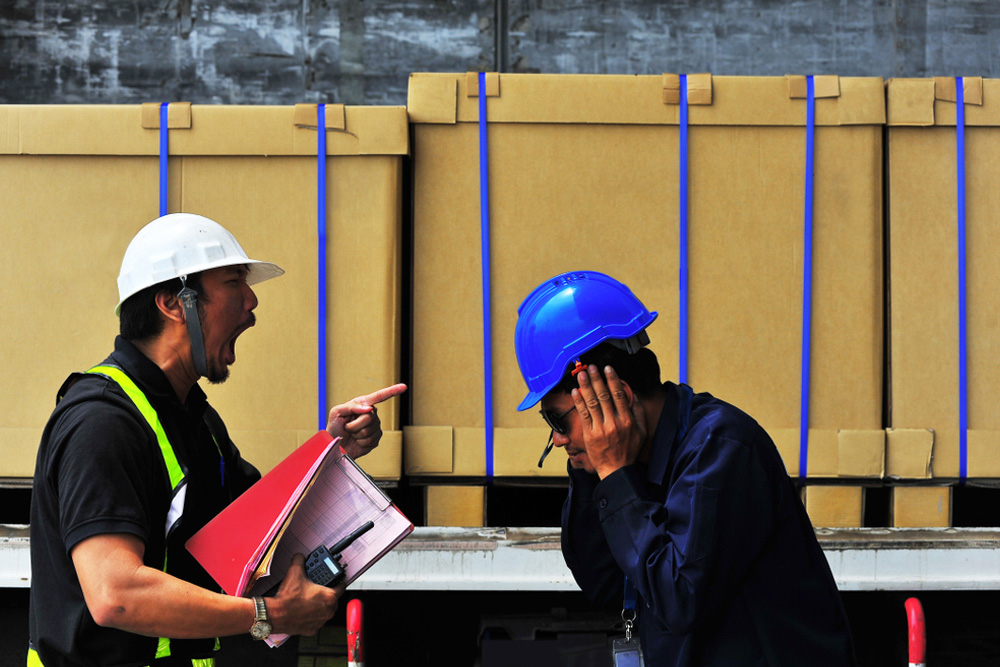
How Do You Navigate Payment Disputes in Construction?
Payment disputes are one of the most common—and often the most damaging—issues in the construction industry. Whether it’s a disagreement over progress payments, withheld retainers, change orders, or accusations of defective work, these disputes can cause costly delays, strained relationships, and even litigation. For contractors, developers, property owners, and design professionals alike, navigating payment issues requires more than just legal muscle. It demands foresight, strategy, and deep knowledge of construction law.
At Stryker Slev Law Group, we’ve spent decades guiding clients across San Diego, Los Angeles, and Southern California through high-stakes construction disputes. Here’s what you need to know to navigate payment conflicts the smart way.
Understand the Root of the Dispute
The first step in resolving any payment conflict is identifying the source. Is the dispute due to non-performance, quality issues, project delays, improper documentation, or unclear contract terms? In many cases, payment is withheld not out of malice but due to misunderstandings or miscommunication.
Clear, well-drafted contracts with defined payment schedules, scope of work, and procedures for change orders are the best prevention. But when you’re already facing a dispute, gathering documentation—emails, invoices, contracts, daily logs, and correspondence—will be key to your case.
Review the Contractual Provisions
Most construction contracts contain specific language outlining how payments are to be made and what happens if there’s a delay or dispute. These provisions often include:
- Payment applications and deadlines
- Retainage terms
- Dispute resolution clauses
- Notice requirements
Failing to follow these provisions—such as not giving proper notice or missing a contractual deadline—can weaken your position. Smart legal strategy starts with a detailed contract review.
Utilize Mechanics Liens and Stop Payment Notices
California law provides powerful tools to secure unpaid funds. Contractors, subcontractors, and suppliers have the right to file:
- Mechanics Liens: These liens attach to the property itself and can force a foreclosure if unpaid.
- Stop Payment Notices: These notify lenders or property owners to withhold funds from general contractors until the dispute is resolved.
These remedies are subject to strict timelines and procedural requirements. A missed deadline can nullify your claim, which is why early legal involvement is crucial.
Consider Mediation and Negotiation Before Litigation
While court may be necessary in high-value or complex disputes, many payment issues can and should be resolved through alternative dispute resolution (ADR). Mediation allows parties to communicate openly in a controlled environment with the help of a neutral third party. It’s less expensive and time-consuming than litigation and often preserves business relationships.
At Stryker Slev Law Group, we often recommend mediation or strategic negotiation for clients with strong legal claims but a desire to avoid public court battles. We craft persuasive settlement strategies that align with your bottom line.
When Litigation Becomes Necessary
If informal resolutions fail, litigation may be your best—or only—option. Our firm is known for handling complex construction and commercial real estate litigation with precision. We understand how to frame your case in a way that speaks to judges, juries, and arbitrators. Whether it’s breach of contract, unjust enrichment, or fraud, we build aggressive cases that demand results.
Litigation isn’t just about filing a lawsuit; it’s about anticipating counterclaims, protecting your reputation, and aligning legal strategy with business goals. We help clients evaluate risk and cost at every stage.
Best Practices to Prevent Future Disputes
The smartest way to navigate a payment dispute is to avoid one in the first place. Consider implementing the following preventative measures:
- Use professionally drafted contracts tailored to your role in the project
- Keep meticulous records of all communication and changes
- Submit clear and timely invoices with backup documentation
- Educate your team on lien rights and notice requirements
- Build dispute resolution clauses into every agreement
A proactive legal partner like Stryker Slev can help you structure contracts and internal systems to minimize legal exposure on future projects.
How we can help
At Stryker Slev Law Group, we don’t just litigate—we strategize. With decades of experience representing clients in high-value construction and commercial real estate disputes across Southern California, we offer more than legal support—we provide smart solutions. Whether you’re a general contractor, developer, architect, or property owner facing a payment conflict, our team will work tirelessly to protect your interests and resolve disputes efficiently.
If you’re currently navigating a payment dispute or want to protect yourself against future conflicts, contact our San Diego office today to schedule a consultation. Let’s find the smartest path forward together.
Related reading: How Can Mediation Help in Construction Disputes? | How Can Arbitration Resolve Construction Disputes?
 by Admin
What Are the Key Elements of a Solid Construction Contract?
Construction projects involve high financial stakes, multiple parties, and strict timelines. A well-drafted construction contract is the foundation that holds it all together. Whether you’re a property owner, developer, general contractor, or architect, the construction contract defines expectations, assigns responsibilities, and minimizes risk. Without a smart, airtight agreement, you’re exposed to delays, cost overruns, defect liability, and even litigation.
At the high end of construction and commercial real estate, the complexity and cost of projects demand legal precision. A solid contract is not just about avoiding problems—it’s about setting the stage for successful execution, clear communication, and enforceable protection.
1. Clear Scope of Work
The scope of work outlines exactly what is expected from the contractor or subcontractor. It should describe all materials, labor, methods, timelines, and deliverables. Ambiguity in this section is one of the leading causes of disputes. Vague language can lead to disagreements over what’s included in the original contract and what constitutes a change order.
To avoid future conflicts, the scope of work must be comprehensive, specific, and tailored to the actual project—not just boilerplate text pulled from a template.
2. Detailed Payment Terms
A construction contract must outline payment structure clearly, including the total cost, payment schedule, retainage, and conditions for releasing payments. Common methods include fixed-price, cost-plus, and unit pricing.
The contract should also address what happens in case of delays or cost increases. Without well-defined payment clauses, disputes over invoices or progress billing can escalate quickly. Legal support ensures that payment terms are balanced, fair, and enforceable.
3. Change Order Procedures
Almost every construction project evolves during the build phase. Changes in design, materials, or scope are common, but without a structured process, change orders can turn into chaos.
A well-written contract includes a formal process for submitting, reviewing, approving, and pricing change orders. It should also specify who has the authority to approve changes and how disputes will be resolved if a change is contested. This protects both parties from misunderstandings and financial surprises.
4. Project Timeline and Delays
Delays can be costly, and a solid construction contract should outline the project timeline, milestone dates, and substantial completion deadlines. It should also specify consequences for delays—such as liquidated damages—and whether delays are considered excusable (e.g., weather, force majeure) or non-excusable (e.g., mismanagement, labor shortages).
Including a mechanism for extensions and documentation requirements for delay claims ensures everyone stays accountable.
5. Dispute Resolution Provisions
Even with the best planning, conflicts may arise. Your contract should clearly define how disputes will be handled—whether through mediation, arbitration, litigation, or a combination.
For high-value projects, binding arbitration clauses or mediation-first approaches can offer faster, more cost-effective solutions. The key is having predefined procedures in place before issues occur.
6. Insurance and Indemnity Requirements
Proper risk allocation is critical. A solid contract will outline the types and minimum levels of insurance required from all parties—such as general liability, workers’ compensation, builder’s risk, and professional liability.
It should also include indemnity clauses that shift liability away from the owner in the event of negligence or breach by contractors or subcontractors. These provisions are essential for protecting your investment and limiting exposure.
7. Termination Clauses
What happens if the relationship falls apart? The contract must address both termination for cause (e.g., non-performance, breach) and termination for convenience. It should define the process, notice requirements, and compensation terms.
Termination provisions provide an exit strategy if things go wrong, and they protect parties from being trapped in unproductive or harmful partnerships.
8. Warranties and Defect Liability
Construction defect litigation is a major risk in California. A smart contract includes clear warranty terms for materials and workmanship, specifying length of coverage and the process for making claims.
Without these terms, owners may face difficulty holding contractors accountable for latent defects discovered months or even years after project completion. Strong contracts anticipate these scenarios and ensure the right to pursue remedies.
9. Compliance with Local Laws and Regulations
Construction contracts in California must comply with a range of building codes, safety laws, and legal requirements—including mechanic’s lien rights, prevailing wage laws, and licensing rules. Legal review ensures that your contract aligns with state and local mandates and helps you avoid invalid provisions or regulatory violations.
How we can help
At Stryker Slev Law Group, we understand that high-value real estate and construction projects demand more than just a standard contract. Our firm is known throughout San Diego, Los Angeles, and Southern California for approaching construction defect and commercial real estate matters in a smart, strategic way. We draft, review, and negotiate contracts that protect your investment from day one—anticipating potential risks and strengthening your legal position. Whether you’re starting a new development or managing an existing asset, we ensure your contracts aren’t just complete—they’re bulletproof. Let us help you build your project on a solid legal foundation.
Related reading: Why Is Contract Review Important in Construction? | Navigating Contract Disputes in LA Construction
 by Admin
How Can Legal Support Protect Your Real Estate Investments?
Real estate investments are among the most valuable assets an individual or company can own. Whether you’re developing a commercial property, managing a real estate portfolio, or investing in a multi-use complex, the stakes are high—and the legal risks even higher. Contracts, construction disputes, zoning laws, regulatory compliance, and tenant issues can jeopardize the financial return of even the most promising projects. Smart legal support is not just an asset—it’s a necessity.
The Legal Risks Lurking in Real Estate Deals
Real estate transactions can be deceptively complex. Many investors focus on price, location, and projected ROI, overlooking the intricate web of legal obligations behind the scenes. Without legal oversight, you risk signing contracts with hidden liabilities, encountering zoning violations, or getting locked into financing terms that don’t support your investment goals.
From acquisition to sale, every stage of the investment lifecycle involves legal documents—purchase agreements, lease contracts, title reviews, easements, and more. A single oversight can trigger disputes, delays, or even lawsuits. Legal support helps identify red flags early and ensures that every document protects your interests—not just the other party’s.
Construction Defects: The Hidden Threat to Your Investment
For real estate investors involved in development or redevelopment projects, construction defects represent a serious threat to property value and safety. These defects can range from foundation cracks and water intrusion to faulty electrical systems or structural instability. The cost of repairs can be substantial, but the legal implications—especially if tenants or buyers are affected—can be even more damaging.
Experienced construction defect attorneys don’t just litigate after a problem occurs—they work proactively to ensure that contracts with contractors, subcontractors, and architects are drafted in a way that allocates risk appropriately. If a defect arises, legal counsel can pursue claims under warranty, negligence, or breach of contract to recover losses and preserve your asset’s value.
Smart Legal Strategies in Commercial Real Estate
In high-value commercial real estate deals, legal strategy isn’t just about defense—it’s a tool for creating advantage. A skilled legal team can negotiate terms that enhance your leverage, mitigate risk, and accelerate closing timelines. Whether you’re acquiring property, entering into joint ventures, or leasing to commercial tenants, legal support is essential to structure deals that maximize upside while protecting your downside.
Legal counsel also plays a critical role in due diligence. Title defects, pending litigation, or compliance issues with ADA, environmental, or safety regulations can all impact a property’s value and future use. Attorneys can uncover and address these risks before you commit capital—saving you time, money, and stress.
Litigation Protection: When Things Go Wrong
Even the most carefully planned real estate investments can face disputes. Breach of contract, construction delays, failure to disclose, or conflicts with neighboring property owners can derail a project. When litigation becomes unavoidable, having a seasoned legal team that understands the nuances of real estate and construction law is the difference between a quick resolution and prolonged, costly battles.
Effective legal representation not only defends your interests but also explores opportunities for resolution through mediation or arbitration before escalating to court. The goal is always to minimize disruption and protect the long-term value of your investments.
Why Choosing the Right Law Firm Matters
Not all legal firms are created equal. Real estate and construction law demand deep industry knowledge, sharp negotiation skills, and a proactive, strategic approach. At Stryker Slev Law Group, we bring decades of experience in high-value, high-stakes cases across San Diego, Los Angeles, and Southern California. We’re not just legal advisors—we’re strategic partners who understand the business of real estate.
We are one of the oldest and most respected law firms in the region, trusted by developers, commercial property owners, contractors, and architect firms alike. Our approach is smart, thorough, and designed to deliver results.
How we can help
At Stryker Slev Law Group, we protect your investments with precision legal strategies backed by decades of success. Whether you’re facing a construction defect, negotiating a commercial lease, or seeking smart guidance for your next acquisition, our team ensures every move you make is legally sound and financially secure. Serving San Diego, Los Angeles, and all of Southern California, we’re here to help you move forward—strategically and confidently. Let’s protect what you’ve built.
Related reading: What is Due Diligence for Commerical Real Estate? | What Are Common Legal Issues in Commercial Real Estate Transactions?