

 by Admin
Dispute Resolution Strategies for LA Real Estate Developers
Real estate development in Los Angeles operates at a high level of complexity, involving multiple stakeholders, large financial investments, and strict regulatory requirements. Disputes are not uncommon, and when they arise, they can disrupt timelines, inflate costs, and jeopardize the success of a project.
For developers working on high-value commercial and residential projects, resolving disputes effectively requires more than a reactive approach. It requires a strategic, forward-thinking mindset that protects both financial interests and long-term project viability.
Common Sources of Disputes in Los Angeles Real Estate Development
Understanding where disputes originate is the first step toward resolving them effectively. In Los Angeles, disputes often stem from the complexity and scale of development projects.
Frequent Causes of Conflict
- Construction defects impacting quality and safety
- Contractual disagreements over scope, pricing, or timelines
- Delays and scheduling conflicts between project participants
- Zoning and regulatory issues affecting approvals
- Payment disputes between developers, contractors, and subcontractors
Each of these issues can escalate quickly if not handled strategically, particularly when large sums of money and multiple parties are involved.
The Importance of a Strategic Dispute Resolution Approach
Developers who approach disputes with a reactive mindset often find themselves at a disadvantage. A strategic approach focuses on controlling the narrative, preserving leverage, and minimizing risk at every stage of the dispute.
Smart dispute resolution is about positioning—understanding when to negotiate, when to escalate, and how to maximize outcomes while minimizing exposure.
Pre-Dispute Planning: Setting the Foundation
Drafting Strong Contracts
Well-drafted contracts are the first line of defense against disputes. Clear provisions related to scope, payment terms, change orders, and dispute resolution procedures can prevent misunderstandings before they arise.
Key elements to include:
- Detailed scope of work definitions
- Clear payment schedules and conditions
- Specific procedures for handling changes and delays
- Defined dispute resolution mechanisms
Risk Allocation Strategies
Properly allocating risk among parties is critical in high-end real estate projects. This includes identifying potential areas of conflict and addressing them proactively within the contract structure.
A well-structured agreement reduces uncertainty and provides a roadmap for resolving issues efficiently.
Mediation: Preserving Relationships While Resolving Disputes
Mediation is often the first step in resolving disputes in Los Angeles real estate projects. It involves a neutral third party who facilitates negotiations between the parties.
Benefits of Mediation
- Cost-effective compared to litigation
- Faster resolution timelines
- Confidential process that protects business interests
- Preserves professional relationships
Mediation works best when both parties are willing to negotiate and when there is a clear understanding of the underlying issues.
Arbitration: A Private and Efficient Alternative
Arbitration is a more formal dispute resolution method but still offers advantages over traditional litigation. Many real estate contracts in Los Angeles include mandatory arbitration clauses.
Key Advantages of Arbitration
- Quicker resolution than court proceedings
- Ability to select industry-experienced arbitrators
- Confidentiality compared to public court cases
- Final and binding decisions in most cases
However, arbitration requires careful preparation and a strong strategic approach to ensure favorable outcomes.
Litigation: When High Stakes Require Aggressive Action
For complex and high-value disputes, litigation may be necessary. Construction defect claims, breach of contract cases, and large financial disputes often require formal court proceedings.
When Litigation Becomes Necessary
- Significant financial exposure
- Irreparable project delays or damages
- Failure of mediation or arbitration efforts
- Need for legal precedent or enforceable court orders
Litigation in Los Angeles can be time-consuming and resource-intensive, making it essential to approach it with a calculated and strategic plan.
Leveraging Documentation and Evidence
Regardless of the dispute resolution method, documentation plays a critical role in determining the outcome.
Essential Documentation Includes
- Contracts and amendments
- Change orders and approvals
- Project schedules and timelines
- Correspondence and communications
- Inspection reports and expert analyses
Strong documentation not only supports claims but also strengthens negotiating positions during mediation or arbitration.
Early Intervention: The Key to Minimizing Risk
Addressing disputes early can prevent them from escalating into costly legal battles. Developers who recognize warning signs and act quickly are better positioned to control outcomes.
Early intervention strategies include:
- Conducting internal audits of project issues
- Engaging legal counsel at the first sign of conflict
- Initiating discussions before positions become entrenched
Taking proactive steps can significantly reduce the financial and operational impact of disputes.
Strategic Negotiation: Maximizing Outcomes
Negotiation remains a central component of dispute resolution. The goal is not just to resolve the issue, but to do so in a way that aligns with broader business objectives.
Effective negotiation requires:
- A clear understanding of strengths and weaknesses
- Leverage based on documentation and legal positioning
- A willingness to explore creative solutions
Developers who negotiate strategically can often achieve favorable outcomes without prolonged litigation.
The Role of Experienced Legal Counsel
High-value real estate disputes demand experienced legal guidance. Navigating complex construction and real estate issues requires deep industry knowledge and a strategic mindset.
Legal counsel plays a critical role in:
- Analyzing risks and opportunities
- Developing tailored dispute resolution strategies
- Representing clients in negotiations, arbitration, or litigation
Having the right legal team can significantly influence the outcome of a dispute.
How we can help
At Stryker Slev Law Group, dispute resolution is approached differently. With decades of experience handling high-end construction defect and commercial real estate matters across San Diego, Los Angeles, and Southern California, the firm focuses on smart, strategic solutions that protect client interests.
What sets the firm apart is its ability to analyze complex disputes at a deeper level—identifying leverage points, minimizing exposure, and positioning clients for success in high-stakes situations.
- Developing customized dispute resolution strategies for real estate developers
- Representing clients in mediation, arbitration, and litigation
- Advising on contract structuring to prevent future disputes
- Handling complex construction defect and commercial real estate claims
For developers navigating high-value projects, having a legal team that approaches cases in a smart and strategic way can make the difference between costly setbacks and successful outcomes.
Related reading: What Are Effective Strategies for Dispute Resolution in Construction? | Preventing Cost Overruns in LA Real Estate Projects
 by Admin
How to Handle Change Orders in Los Angeles Construction
Change orders are a standard part of construction projects, especially in complex and high-value developments across Los Angeles. Whether driven by design revisions, unforeseen site conditions, or client requests, change orders can significantly impact timelines, costs, and contractual relationships. When handled improperly, they often lead to disputes, payment issues, and even litigation.
For developers, contractors, architects, and property owners, understanding how to manage change orders strategically is critical. A smart and structured approach can protect your project, preserve relationships, and minimize legal risk.
What Is a Change Order in Construction?
A change order is a formal modification to the original construction contract. It outlines changes in scope, cost, schedule, or materials agreed upon by the involved parties.
Common reasons for change orders include:
- Unforeseen site conditions
- Design errors or omissions
- Owner-requested upgrades or changes
- Material availability issues
- Regulatory or code compliance adjustments
While change orders are often necessary, failing to properly document and approve them can expose parties to serious financial and legal consequences.
Why Change Orders Become Disputes
In Los Angeles construction projects, disputes often arise not because of the change itself, but because of how it is handled. High-value projects with multiple stakeholders increase the likelihood of miscommunication and conflicting expectations.
Common Causes of Conflict
- Lack of written approval before work begins
- Unclear scope of work in the change order
- Disagreements over pricing or markups
- Delays caused by late approvals
- Failure to follow contractual procedures
Even a minor deviation from the contract requirements can be used as leverage in a dispute, especially when large sums of money are involved.
Key Steps to Handle Change Orders Properly
1. Follow the Contract Strictly
Construction contracts typically include detailed provisions on how change orders must be processed. These may specify timelines, required documentation, and approval procedures.
Ignoring these provisions can void your right to payment or claims. Always ensure compliance with contractual requirements before proceeding with any changes.
2. Document Everything
Documentation is the backbone of any successful construction project. Every change order should include:
- A clear description of the change
- Detailed cost breakdown
- Impact on project timeline
- Supporting drawings or specifications
- Written approvals from authorized parties
Thorough documentation helps eliminate ambiguity and provides strong protection if disputes arise later.
3. Obtain Written Approval Before Work Begins
One of the most common and costly mistakes is proceeding with work based on verbal agreements. In California, courts often prioritize written agreements when evaluating disputes.
Never rely solely on verbal directives. Ensure that all change orders are approved in writing before commencing work.
4. Maintain Clear Communication
Change orders often involve multiple stakeholders, including owners, contractors, subcontractors, and design professionals. Clear and consistent communication is essential to avoid misunderstandings.
Establish a structured communication process that includes:
- Regular project meetings
- Written confirmations of discussions
- Centralized documentation systems
5. Evaluate Cost and Time Impacts Carefully
Every change order should be analyzed not just for direct costs, but also for its ripple effects on the project. This includes labor, materials, scheduling delays, and potential disruptions.
Failing to account for these factors can lead to underestimated costs and disputes over compensation.
Legal Considerations for Change Orders in California
California construction law places significant emphasis on contract compliance and proper documentation. Courts and arbitrators often scrutinize whether parties followed agreed-upon procedures.
Enforceability of Change Orders
Even if additional work is performed, payment is not guaranteed unless the change order complies with contractual terms. This is particularly critical in high-end commercial and real estate projects.
Constructive Change Orders
In some cases, changes occur without formal documentation but are effectively required by the project conditions. These are known as constructive change orders.
Proving constructive changes requires strong evidence, including:
- Emails or written directives
- Project logs and daily reports
- Testimony regarding instructions given
Without proper evidence, recovering compensation becomes significantly more difficult.
Dispute Resolution Clauses
Most construction contracts include dispute resolution mechanisms such as mediation, arbitration, or litigation. Understanding these provisions is critical when conflicts arise.
Strategically navigating these processes can make a substantial difference in the outcome of a dispute.
Strategic Approach to Change Orders in High-Value Projects
Handling change orders in high-end construction and commercial real estate projects requires more than basic compliance. It requires a smart, strategic approach that anticipates risks and positions your case effectively.
Key strategic considerations include:
- Structuring contracts to minimize ambiguity
- Identifying potential disputes early
- Leveraging documentation to strengthen claims
- Negotiating from a position of strength
Projects in Los Angeles often involve substantial financial stakes, making it essential to approach every change order with precision and foresight.
How Poorly Managed Change Orders Impact Projects
Improperly handled change orders can lead to serious consequences, including:
- Payment disputes and withheld funds
- Project delays and cost overruns
- Damaged business relationships
- Litigation or arbitration
These risks are amplified in commercial real estate and high-value construction projects, where even small issues can escalate quickly.
How we can help
At Stryker Slev Law Group, change orders are not treated as routine paperwork—they are approached strategically. With decades of experience handling high-value construction defect and commercial real estate matters across San Diego, Los Angeles, and Southern California, the firm understands how to position clients for success.
What sets the firm apart is a smart approach to complex construction disputes. Every situation is analyzed beyond the surface level to identify leverage points, minimize risk, and protect financial outcomes.
- Review and draft change order provisions in construction contracts
- Advise on proper documentation and compliance strategies
- Handle disputes involving unpaid or contested change orders
- Represent clients in high-stakes construction litigation and arbitration
Whether navigating a dispute or proactively structuring a project, having experienced legal guidance can make the difference between costly setbacks and successful outcomes.
Related reading: How Do You Handle Defective Construction Work? | Navigating Contract Disputes in LA Construction
 by Admin
The Importance of Clear Communication in LA Construction
Construction projects in Los Angeles are complex undertakings that require coordination between developers, architects, engineers, contractors, subcontractors, inspectors, and project managers. With so many parties involved, even small misunderstandings can quickly escalate into serious problems. In many construction disputes across Southern California, the root cause is not always defective work or bad intentions—it is poor communication.
Clear communication plays a vital role in ensuring that construction projects move forward smoothly, stay within budget, and comply with regulatory requirements. When communication breaks down, the consequences can include project delays, cost overruns, contractual disputes, and construction defect claims.
For developers and contractors working in the Los Angeles market, implementing strong communication systems is not simply a management practice—it is an essential risk management strategy.
Why Communication Matters in Large Los Angeles Construction Projects
Los Angeles construction projects often involve multiple contractors working simultaneously across different stages of development. These projects may include commercial buildings, mixed-use developments, high-end residential properties, or large infrastructure improvements.
Each phase of construction depends on coordination between trades. When one team does not communicate clearly with another, problems can quickly arise.
Common communication breakdowns in construction projects include:
- Unclear instructions regarding design specifications
- Scheduling conflicts between subcontractors
- Misinterpretation of architectural plans
- Failure to document change orders
- Delayed reporting of construction issues
- Lack of coordination between project managers and field teams
When these communication failures occur, they can trigger disputes between contractors and subcontractors, increase liability exposure, and potentially lead to costly litigation.
Communication Failures That Lead to Construction Disputes
Many construction disputes that end up in litigation could have been prevented through better communication practices during the project.
Misinterpretation of Plans and Specifications
Architectural drawings and engineering plans are essential for guiding construction work. However, if plans are unclear or changes are not properly communicated, subcontractors may interpret instructions differently.
This can result in:
- Incorrect installations
- Construction defects
- Expensive rework
- Disputes over responsibility for errors
Regular design review meetings and clarification requests can help prevent misunderstandings before they affect the project.
Unrecorded Verbal Instructions
Another common issue occurs when project decisions are communicated verbally but never documented. In fast-paced construction environments, site supervisors may give verbal directions that alter the scope of work.
If those changes are not documented in writing, conflicts may arise later regarding:
- Additional costs
- Scope responsibilities
- Project delays
- Payment disputes
Maintaining written records of all major decisions is critical for avoiding these disputes.
The Role of Documentation in Construction Communication
Effective communication in construction is not just about talking—it is about proper documentation. Written records create accountability and provide clarity if disagreements arise later.
Key Documents That Prevent Disputes
- Construction contracts
- Subcontractor agreements
- Change order forms
- Project schedules
- Inspection reports
- Daily construction logs
These documents ensure that everyone involved in the project understands their responsibilities and the expectations for performance.
In construction litigation, these records often become crucial evidence when determining liability for delays or defects.
Improving Coordination Between Contractors and Subcontractors
One of the most common sources of conflict in Los Angeles construction projects is poor coordination between contractors and subcontractors.
When subcontractors are not properly informed about scheduling changes, design updates, or jobsite conditions, it can lead to inefficiencies and disagreements.
Strategies to Improve Project Communication
- Hold regular project coordination meetings
- Provide clear written project updates
- Maintain centralized communication platforms
- Ensure project managers relay updates to field teams
- Encourage early reporting of potential issues
By implementing these strategies, developers and contractors can significantly reduce the likelihood of misunderstandings that lead to disputes.
The Impact of Poor Communication on Project Costs
Communication breakdowns can have significant financial consequences for construction projects.
When problems are not identified early, they often become more expensive to resolve. A small misunderstanding about installation procedures, for example, may require demolition and reconstruction if discovered late in the project.
Financial consequences of poor communication may include:
- Construction delays
- Increased labor costs
- Material waste
- Schedule penalties
- Legal claims between contractors
These issues can damage professional relationships and threaten the success of high-value developments.
Legal Risks Associated With Communication Failures
Communication failures do not just cause logistical problems—they can also create significant legal risks.
Construction disputes in California may involve allegations such as:
- Breach of contract
- Construction defects
- Professional negligence
- Project delay claims
- Payment disputes
When disputes escalate, developers and contractors may face litigation that can delay project completion and increase costs.
Having clear documentation and communication protocols in place can help reduce liability and strengthen a company’s legal position if disputes arise.
How Technology is Improving Communication in Construction
Modern construction projects increasingly rely on technology to streamline communication between teams. Digital project management platforms allow contractors and developers to share updates, track schedules, and document changes in real time.
These tools can improve transparency and reduce misunderstandings across the project team.
Examples of Communication Technology Used in Construction
- Project management software
- Digital blueprint sharing
- Real-time scheduling tools
- Field reporting applications
- Cloud-based documentation systems
By integrating these tools into project workflows, construction professionals can maintain better visibility into project progress and quickly address emerging issues.
How we can help
At Stryker Slev Law Group, we represent developers, architects, contractors, and construction professionals in complex construction defect and commercial real estate matters throughout San Diego, Los Angeles, and Southern California.
Our firm is known for approaching construction and real estate disputes in a strategic and intelligent way. With decades of experience handling high-value cases, we understand how communication failures can lead to costly conflicts during major construction projects.
We assist clients with:
- Drafting and reviewing construction contracts
- Resolving contractor and subcontractor disputes
- Handling construction defect litigation
- Protecting developers from liability claims
- Providing strategic legal guidance for complex projects
Whether you are managing a major development in Los Angeles or navigating a construction dispute in Southern California, our team works proactively to protect your interests and help ensure your project remains on track.
Related reading: Why Architect Firms Need a Construction Defect Attorney | How Can Mediation Help in Construction Disputes?
 by Admin
Avoiding Subcontractor Conflicts in Los Angeles Builds
Large construction projects in Los Angeles often involve dozens of subcontractors working across multiple phases of development. From electricians and plumbers to framing crews and specialty contractors, every subcontractor plays a crucial role in completing a project on time and within budget. However, when coordination breaks down or contract terms are unclear, conflicts between subcontractors can quickly escalate into serious disputes.
For developers, architects, and general contractors, subcontractor conflicts can lead to construction delays, cost overruns, liability claims, and even litigation. In a highly competitive and heavily regulated construction environment like Los Angeles, preventing these disputes is essential.
Understanding the legal risks and implementing proactive strategies can significantly reduce the likelihood of conflicts. By establishing clear contracts, maintaining strong communication, and addressing potential problems early, construction professionals can protect their projects and their reputations.
Why Subcontractor Conflicts Are Common in Los Angeles Construction Projects
Los Angeles is one of the most active construction markets in the country. Large-scale developments often involve multiple teams working simultaneously under tight deadlines. This complexity increases the risk of disputes between subcontractors.
Some of the most common causes of subcontractor conflicts include:
- Overlapping scopes of work between different subcontractors
- Delays caused by one trade impacting another
- Payment disputes or change order disagreements
- Quality issues or allegations of defective work
- Safety violations affecting the jobsite
- Poor coordination or scheduling by the general contractor
When these issues arise, they can trigger a chain reaction. One delayed subcontractor can disrupt multiple trades, leading to costly schedule disruptions and strained relationships across the entire project.
The Importance of Clearly Defined Subcontractor Agreements
One of the most effective ways to prevent disputes is through well-drafted subcontractor agreements. Contracts should clearly define expectations and responsibilities before any work begins.
Clearly Define Scope of Work
Ambiguous scope descriptions are a major source of conflict. Contracts should specify:
- Exact tasks each subcontractor is responsible for
- Materials and equipment requirements
- Project milestones and deadlines
- Quality standards and inspection requirements
When scopes overlap or responsibilities are unclear, subcontractors may dispute who is responsible for correcting errors or delays.
Detailed Payment Terms
Payment disputes are another common cause of subcontractor conflicts. Contracts should outline:
- Payment schedules
- Conditions for payment release
- Retention terms
- Procedures for submitting invoices
Clear financial expectations help prevent misunderstandings that can lead to mechanic’s lien claims or legal disputes.
Managing Project Scheduling and Coordination
Construction projects rely heavily on precise scheduling. When one subcontractor falls behind, it can disrupt the entire construction timeline.
Establish Clear Scheduling Protocols
General contractors should create detailed project schedules that identify when each subcontractor is expected to perform their work. This schedule should be communicated clearly to all parties involved.
Effective scheduling includes:
- Coordination meetings with subcontractors
- Regular progress updates
- Clear documentation of delays
- Defined procedures for resolving schedule conflicts
These steps help ensure accountability and prevent disputes when delays occur.
Address Delays Immediately
When delays arise, addressing them early is critical. Ignoring scheduling issues often leads to frustration between subcontractors and may result in finger-pointing when deadlines are missed.
Proper documentation and communication can prevent minor delays from escalating into major legal disputes.
The Role of Change Orders in Subcontractor Disputes
Construction projects frequently require changes after work begins. Whether due to design adjustments, unforeseen conditions, or client requests, change orders are unavoidable in many builds.
However, poorly managed change orders often create disputes between subcontractors.
Establish a Formal Change Order Process
A formal change order procedure should include:
- Written approval before work begins
- Documentation of cost adjustments
- Updated project schedules
- Clear allocation of responsibility
Without written change orders, subcontractors may perform additional work expecting payment, only to face disputes later.
Preventing Liability Issues Between Subcontractors
Another major source of conflict occurs when one subcontractor claims that another trade caused damage or defective work.
For example, an electrical subcontractor may claim that improper framing created installation problems, while the framing contractor may argue the issue resulted from poor electrical planning.
These disputes can escalate into complex construction defect claims if not handled properly.
Insurance and Indemnity Provisions
Subcontractor agreements should include strong risk management provisions such as:
- Insurance requirements
- Indemnification clauses
- Additional insured endorsements
- Responsibility for damage caused by defective work
These protections help allocate risk appropriately and reduce the likelihood of prolonged legal battles.
Maintaining Effective Communication on the Jobsite
Many subcontractor disputes arise simply because of poor communication. In large Los Angeles construction projects, communication breakdowns can quickly cause confusion between multiple trades working simultaneously.
Developers and contractors should implement communication systems that keep everyone informed throughout the project.
Best Practices for Jobsite Communication
- Hold regular subcontractor coordination meetings
- Document all project updates
- Address concerns immediately
- Maintain clear reporting structures
Consistent communication prevents misunderstandings that often lead to legal disputes.
When Subcontractor Conflicts Escalate into Legal Disputes
Despite the best planning efforts, disputes sometimes escalate beyond simple disagreements. When subcontractor conflicts involve significant financial losses, construction defects, or breach of contract claims, legal intervention may become necessary.
In Los Angeles, construction disputes may involve:
- Mechanic’s lien claims
- Breach of subcontractor agreements
- Construction defect litigation
- Delay damage claims
- Insurance coverage disputes
Resolving these matters requires careful legal strategy and a deep understanding of California construction law.
How we can help
At Stryker Slev Law Group, we represent developers, architects, contractors, and construction professionals in complex construction defect and commercial real estate disputes across San Diego, Los Angeles, and Southern California.
Our firm is known for approaching construction and real estate cases in a smart and strategic way. With decades of experience handling high-value cases, we understand how subcontractor conflicts develop and how to resolve them effectively.
We assist clients with:
- Drafting and reviewing subcontractor agreements
- Resolving construction disputes before they escalate
- Handling construction defect claims
- Managing complex commercial real estate litigation
- Protecting developers and contractors from liability
When disputes arise in high-stakes Los Angeles construction projects, having experienced legal counsel can make a critical difference. Our team works proactively to protect your project, your investment, and your reputation in the construction industry.
Related reading: Protecting Your Investment: Avoiding Construction Conflicts in LA | The Role of Inspections in Avoiding Los Angeles Construction Disputes
 by Admin
Understanding Warranty Claims in LA Construction Projects
Construction projects in Los Angeles involve significant financial investment, complex coordination between multiple parties, and strict regulatory requirements. Even when projects appear complete, problems may arise months or years later. Construction warranties are intended to provide protection when defects or performance failures occur, but understanding how warranty claims work is essential for property owners, developers, and commercial investors.
Warranty disputes often arise not because a defect exists, but because the parties involved misunderstand what is actually covered, how long coverage lasts, and what steps must be taken to properly assert a claim. A strategic and informed approach to warranty claims can prevent minor issues from turning into costly legal disputes.
What Is a Construction Warranty?
A construction warranty is a promise that certain aspects of the work will meet defined standards for quality and performance. These warranties may be created through written contracts, manufacturer guarantees, or implied legal obligations under California law.
Construction warranties generally fall into three categories:
- Express warranties – Specific promises written into the construction contract regarding materials, workmanship, or performance.
- Manufacturer warranties – Coverage provided by product manufacturers for materials such as roofing systems, windows, or mechanical equipment.
- Implied warranties – Legal protections that exist even if not written into the contract, requiring work to be completed in a reasonably skillful and workmanlike manner.
Understanding which warranty applies is the first step in determining whether a claim is valid.
Common Issues Leading to Warranty Claims
Warranty claims in Los Angeles construction projects often arise from defects that are not immediately visible at project completion. Many issues develop over time as materials expand, weather conditions change, or building systems are placed under normal use.
Common warranty claim issues include:
- Water intrusion and waterproofing failures
- Roofing defects or premature deterioration
- Improper installation of windows and doors
- Structural cracking or settlement issues
- Mechanical, electrical, or plumbing system failures
In commercial real estate projects, these issues can significantly impact property value, tenant relationships, and operational continuity.
Understanding Warranty Timeframes
One of the most misunderstood aspects of construction warranty claims is timing. Warranty periods vary depending on contract terms, the type of work performed, and applicable California statutes.
Some warranties may last only one year, while others extend longer for structural components or specific building systems. Additionally, California law imposes statutes of limitation and repose that affect when claims must be brought, regardless of warranty language.
Failing to act within the applicable timeframe can result in losing the right to pursue a claim entirely. Early evaluation of potential defects is critical to preserving legal rights.
The Importance of Proper Documentation
Successful warranty claims rely heavily on documentation. Property owners and developers should maintain detailed records throughout the construction process and after project completion.
Important documentation includes:
- Construction contracts and amendments
- Warranty certificates and manuals
- Inspection reports and punch lists
- Photographs of defects or damage
- Communication records with contractors or subcontractors
Clear documentation helps establish when problems were discovered and whether they fall within warranty coverage.
Challenges in Warranty Claim Disputes
Warranty claims can become complex when multiple contractors, subcontractors, and suppliers are involved. Each party may dispute responsibility, arguing that the issue falls outside their scope of work or warranty obligations.
In many cases, disputes arise over whether a condition constitutes a defect, normal wear and tear, or improper maintenance. These disagreements require careful analysis of contracts, construction standards, and technical evidence.
A strategic approach is often necessary to identify responsible parties and resolve claims efficiently without unnecessary escalation.
Preventing Warranty Disputes Before They Begin
Many warranty disputes can be avoided through careful planning before construction begins. Clearly written contracts, defined warranty obligations, and structured communication channels reduce ambiguity and improve accountability.
- Define warranty scope clearly in contracts
- Align contractor and manufacturer warranties
- Conduct thorough inspections before project completion
- Address punch list items promptly
- Maintain ongoing maintenance records
Proactive management helps ensure that warranty protections function as intended.
How we can help
At Stryker Slev Law Group, we understand that construction warranty claims require more than a standard legal response. As an established construction defect and commercial real estate law firm serving San Diego, Los Angeles, and Southern California, our firm approaches construction and real estate disputes in a smart, strategic manner focused on protecting long-term asset value.
We represent property owners, developers, and commercial investors in complex and high-value construction matters, including warranty disputes, defect claims, and contract conflicts. Our experience allows us to evaluate claims early, identify responsible parties, and develop effective strategies that minimize disruption while protecting our clients’ investments.
Whether you are addressing emerging defects, reviewing warranty obligations, or facing a dispute related to construction performance, early legal guidance can make a significant difference. Our goal is to help clients resolve issues efficiently while maintaining control over their projects and financial outcomes.
Related reading: How to Address Breach of Contract Claims in Construction Projects | How California’s Changing Environmental Laws Affect Construction Projects
 by Admin
Top Tips for Selecting Reliable Contractors in Los Angeles
Choosing the right contractor is one of the most important decisions property owners, developers, and investors make when starting a construction or renovation project. In a competitive market like Los Angeles, where construction activity is constant and projects range from residential remodels to large commercial developments, selecting a reliable contractor can mean the difference between a successful project and a costly dispute.
Construction defect claims, delays, and contract disputes often originate from poor contractor selection. Understanding what separates a reliable contractor from a risky one requires more than simply comparing bids. It requires a smart, strategic approach that considers experience, communication, documentation, and long-term accountability.
Understand the Scope of Your Project First
Before evaluating contractors, property owners should clearly define the scope of their project. Contractors perform best when expectations, timelines, and deliverables are clearly outlined from the beginning. Vague project descriptions often lead to misunderstandings, change orders, and disagreements later in the process.
Ask yourself:
- Is the project residential or commercial?
- Does it involve structural work or specialty trades?
- What is the expected timeline and budget range?
- Are permits or inspections required?
When contractors are bidding on clearly defined work, it becomes easier to compare qualifications and proposals objectively.
Verify Licensing, Insurance, and Credentials
One of the most fundamental steps when selecting a contractor in Los Angeles is verifying proper licensing and insurance. Contractors must hold valid licenses appropriate for the type of work being performed. Equally important is confirming that insurance coverage is current and sufficient.
Key items to confirm include:
- Active contractor’s license with the appropriate classification
- General liability insurance
- Workers’ compensation coverage
- Bonding where applicable
Failure to verify these details can expose property owners to significant liability, particularly if injuries or property damage occur during construction.
Evaluate Experience Relevant to Your Project
Not all experience is equal. A contractor who performs well on small residential projects may not be suited for complex commercial construction. Reliable contractors should demonstrate experience specifically aligned with your project type.
Look for contractors who can provide:
- Examples of similar completed projects
- References from property owners or developers
- Evidence of handling projects of comparable scale
Experience reduces risk. Contractors who understand the complexities of Los Angeles construction regulations, inspections, and timelines are less likely to make costly mistakes.
Do Not Choose Based on Price Alone
One of the most common mistakes property owners make is selecting the lowest bid. While budget is important, unusually low proposals can signal incomplete scopes, inferior materials, or unrealistic timelines.
Reliable contractors provide detailed estimates that clearly outline labor, materials, timelines, and contingencies. A higher initial bid may ultimately save money by preventing delays, rework, and disputes.
Warning signs of risky bids include:
- Vague or incomplete proposals
- Large upfront payment requests
- Unrealistically short timelines
- Reluctance to provide written documentation
Review Contracts Carefully
A well-drafted construction contract protects both the contractor and the property owner. Contracts should clearly define responsibilities, payment schedules, change order procedures, and dispute resolution methods.
Key provisions to review include:
- Scope of work definitions
- Project milestones and deadlines
- Payment terms tied to completed work
- Warranty obligations
- Procedures for handling delays or defects
Many construction disputes arise not from bad intentions, but from unclear contracts. Careful review at the beginning of a project helps prevent conflicts later.
Assess Communication and Professionalism
Reliable contractors communicate clearly and consistently. Early interactions often reflect how the project will be managed once construction begins. Contractors who respond promptly, explain processes clearly, and provide organized documentation typically maintain better project control.
Pay attention to:
- Response times to questions
- Clarity in written communication
- Willingness to explain timelines and risks
- Transparency regarding challenges
Strong communication reduces misunderstandings and allows issues to be addressed before they escalate.
Understand Risk and Long-Term Accountability
Construction projects do not end when the final payment is made. Defects may surface months or years later, particularly in structural, waterproofing, or mechanical systems. Selecting contractors who stand behind their work is critical.
Reliable contractors maintain organized records, honor warranties, and address issues proactively. Property owners should also understand applicable statutes of limitation and repose in California construction law, as these timelines affect when claims may be brought if defects arise.
How we can help
At Stryker Slev Law Group, we understand that construction and commercial real estate matters require more than a traditional legal approach. As one of the established construction defect and commercial real estate law firms serving San Diego, Los Angeles, and Southern California, our firm approaches cases strategically and intelligently, focusing on long-term outcomes rather than short-term reactions.
We represent property owners, developers, and investors in complex construction defect and real estate disputes, particularly in high-value matters where experience and strategy make a measurable difference. Whether you are reviewing contractor agreements before a project begins or facing issues related to construction performance, delays, or defects, early legal insight can significantly reduce risk.
Our goal is to help clients make smart decisions that protect their investments, preserve project value, and avoid unnecessary litigation whenever possible. When disputes arise, we bring the experience and strategic thinking necessary to resolve complex construction and real estate matters effectively.
Related reading: Resolving Payment Disputes with LA Contractors | What Are Your Rights in a Construction Dispute?
 by Admin
Legal Steps to Take When Facing a Construction Dispute in LA
Construction disputes are common in the construction industry, especially in large cities like Los Angeles. With complex projects and multiple parties involved, disagreements can arise over timelines, costs, contracts, and workmanship. In Los Angeles, where both residential and commercial construction is booming, understanding how to address these issues is crucial for anyone involved in construction projects. Whether you’re a contractor, subcontractor, property owner, or developer, knowing the legal steps to take when facing a construction dispute can help protect your interests and ensure that your rights are upheld.
The legal steps you should take when facing a construction dispute in Los Angeles, and how seeking experienced legal counsel can help you navigate these challenges effectively.
Step 1: Review Your Contract
The first and most important step in resolving any construction dispute is to review the contract involved in the project. A construction contract outlines the terms and conditions agreed upon by all parties and sets the foundation for resolving any disputes. Common areas of contention in construction disputes include:
- Scope of Work: Disagreements over what is or isn’t included in the project.
- Payment Terms: Issues related to payment schedules, late payments, or withholding payments.
- Deadlines and Timelines: Delays due to weather, material shortages, or other factors.
- Quality of Work: Claims that the work performed does not meet industry standards or agreed-upon specifications.
Understanding the specific language of your contract, including force majeure clauses and provisions for resolving disputes, will help you determine the next steps and how to protect yourself legally. If necessary, consult with an attorney to interpret the terms and see how they apply to your situation.
Step 2: Document the Dispute
Once you’ve identified the issue, it’s essential to document everything related to the dispute. This includes taking detailed notes, collecting any correspondence (emails, text messages, letters), and photographing any damages or unfinished work. The more detailed your records, the stronger your position will be should the dispute escalate to legal action.
Documentation is especially crucial in cases of poor workmanship or breach of contract. Photographs of subpar work, incomplete projects, or instances where timelines weren’t met will serve as important evidence. Similarly, keeping a record of communication between parties shows your attempts to resolve the issue before resorting to legal action.
Step 3: Attempt Resolution Through Negotiation
Before resorting to litigation, it’s often advisable to try and resolve the dispute through negotiation or informal settlement. This can save both time and money, and it helps maintain professional relationships. Open communication between the parties involved is key in reaching a mutually agreeable solution.
Negotiation could involve renegotiating the contract terms, extending deadlines, or agreeing on a partial payment plan. If possible, mediation or arbitration may also be considered as alternative dispute resolution methods. Both mediation and arbitration involve a neutral third party helping the disputing parties come to a resolution.
Step 4: Consider Mediation or Arbitration
Mediation and arbitration are alternative dispute resolution (ADR) methods often used in construction disputes to avoid the lengthy and expensive process of litigation. Both processes can be less formal and time-consuming than going to court.
- Mediation: In mediation, a neutral third-party mediator facilitates discussions between the parties to help them reach a mutually acceptable settlement. The mediator doesn’t make decisions but helps guide the conversation toward resolution.
- Arbitration: Arbitration involves an arbitrator (or a panel of arbitrators) who listens to the evidence presented by both parties and makes a binding decision. Arbitration is more formal than mediation but generally faster and more cost-effective than going to court.
Many construction contracts include a clause requiring parties to mediate or arbitrate any disputes before pursuing litigation. If this is the case, consider these methods before taking the matter to court.
Step 5: Prepare for Litigation
If negotiation, mediation, or arbitration fail to resolve the issue, litigation may be necessary. Construction disputes in Los Angeles can end up in court if other methods are unsuccessful or if the issue is particularly complex or contentious. Preparing for litigation involves gathering all your documentation, contacting an attorney, and ensuring you have the legal resources to pursue your claim.
Your attorney will help assess your case, determine whether you have a valid legal claim, and represent your interests in court. If you are the defendant in a construction lawsuit, your lawyer will help you prepare a defense and advise on how to counter any claims made against you.
Step 6: Seek Expert Legal Counsel
Construction law is complex, and construction disputes often involve multiple parties, intricate contracts, and detailed legal considerations. When facing a construction dispute, seeking expert legal counsel is crucial. A construction attorney with experience in real estate law can help you navigate the intricacies of construction contracts, assess the strength of your case, and determine the best course of action.
At Stryker Slev Law Group, we specialize in handling construction defect and commercial real estate disputes. Our team is well-versed in the legal complexities of construction projects and is committed to protecting the rights of our clients. Whether you are dealing with contractor disputes, issues with subcontractors, or problems with the quality of work, we are here to help you find a resolution.
How We Can Help
If you are facing a construction dispute in Los Angeles, it is essential to take the right steps to protect your interests. At Stryker Slev Law Group, we have extensive experience in handling high-stakes construction disputes across Southern California, including Los Angeles and San Diego and Los Angeles. We provide legal services to contractors, developers, property owners, and real estate professionals, helping them navigate the complexities of construction law and achieve favorable outcomes in disputes.
Our team can assist with contract interpretation, negotiation, mediation, arbitration, and litigation. We are committed to resolving construction disputes efficiently and effectively, with a focus on minimizing risk and protecting your business interests.
If you are facing a construction dispute or need expert legal advice, don’t hesitate to contact Stryker Slev Law Group for a consultation. Let us help you resolve your legal challenges and keep your projects on track.
Related reading: What Are Your Rights in a Construction Dispute? | What Are Effective Strategies for Dispute Resolution in Construction?
 by Admin
Impact of Weather on Construction Timelines in Los Angeles
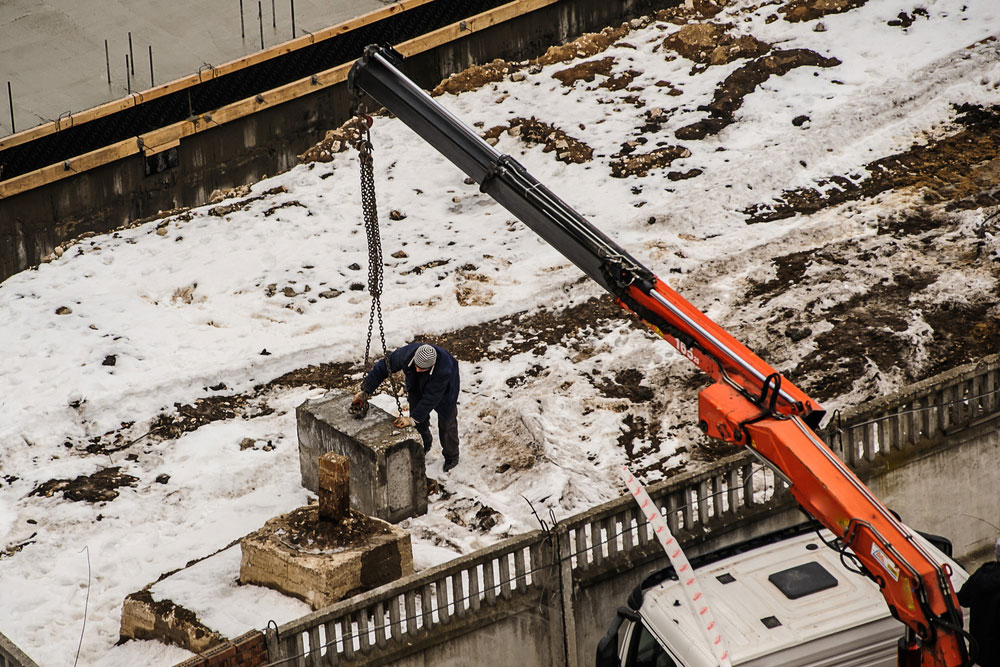
In the world of construction, managing timelines and staying on schedule is vital for both contractors and clients. In a city like Los Angeles, where construction projects are constantly underway, weather plays a crucial role in determining how smoothly a project proceeds. While Los Angeles is known for its sunny weather, the city experiences seasonal variations and extreme conditions that can delay or disrupt construction work. Understanding the impact of weather on construction timelines can help businesses better prepare and mitigate risks associated with weather delays.
Common Weather Challenges in Los Angeles
- Rain and Storms
Although Los Angeles does not see as much rainfall as other cities, it does have a rainy season during the winter months. Heavy rain can lead to a number of construction delays, including unsafe work conditions, slippery surfaces, and interruptions in material delivery. When it rains, construction sites can become hazardous, leading to stoppages for safety reasons. Additionally, rain can hinder the curing of materials such as concrete and paint, requiring extended wait times before continuing work. - Heatwaves and High Temperatures
Another common weather challenge in Los Angeles is the extreme heat. During the summer months, temperatures can soar above 100°F (38°C), which can affect both workers and the materials they are using. High temperatures can cause materials like asphalt and concrete to cure too quickly, compromising the quality of the work. Workers may also face heat exhaustion, reducing their ability to work effectively and safely. These conditions lead to a slowdown in progress and may force contractors to adjust schedules, working during cooler hours of the day or rescheduling certain tasks. - Wind and Dust
Windstorms, especially in the dry summer months, are another weather concern for construction projects in Los Angeles. High winds can cause safety hazards, such as blowing debris or toppling construction materials, which could delay work and even result in damage to structures under construction. In addition, dust storms, which are more common in the surrounding desert regions, can reduce visibility on job sites, delay material deliveries, and create difficult working conditions. - Fog and Reduced Visibility
While fog is not as frequent as other weather events, it does occur occasionally, especially in the coastal regions of Los Angeles. Fog reduces visibility, making it dangerous for workers to operate machinery, navigate the site, and complete tasks. Additionally, fog can delay deliveries and inspections, further extending the timeline of a project.
Legal Implications of Weather Delays
Understanding the potential for weather delays is important not just for planning and logistics but also for legal purposes. Delays caused by weather are typically categorized as “force majeure,” which refers to unforeseeable circumstances that prevent a party from fulfilling their obligations under a contract. In the construction industry, force majeure clauses in contracts often include weather-related events as an acceptable reason for delays.
However, it’s important for contractors, subcontractors, and property owners to document these weather delays thoroughly to avoid disputes later on. This documentation should include weather reports, photographs of the conditions on the job site, and communication logs to ensure the delay is properly recorded and can be used as evidence if necessary. Failure to do so could lead to misunderstandings or liability for unexcused delays.
Managing Weather-Related Delays
There are steps construction firms can take to minimize the impact of weather on construction timelines. These include:
- Scheduling Flexibility
When planning a construction project, it is important to account for potential weather delays. Contractors should build some flexibility into the schedule to accommodate for disruptions caused by rain or extreme heat. This means having buffer time built into the timeline to help prevent delays from becoming significant setbacks. - Weather Monitoring and Forecasting
Technology plays an important role in forecasting weather conditions that might affect a project. By closely monitoring the weather, construction firms can prepare for upcoming weather events and adjust their work plans accordingly. For example, if a heatwave is expected, crews can be scheduled to work during early mornings or late evenings to avoid the hottest part of the day. - Proper Site Preparation
Construction sites can be made more resilient to weather-related disruptions with proper site preparation. This includes using weather-resistant materials, reinforcing structures to withstand extreme conditions, and ensuring that the site has appropriate drainage to handle rain or runoff. - Clear Communication
Effective communication between contractors, subcontractors, and clients is key when managing weather delays. Having a clear plan in place and keeping all parties informed about potential delays can reduce confusion and frustration, helping to maintain strong working relationships.
How We Can Help
At Stryker Slev Law Group, we understand the complexities of construction defect and commercial real estate law. When it comes to managing weather-related delays, we provide expert legal advice on how to navigate force majeure clauses, mitigate risks, and protect your interests in the event of a dispute. Our team has extensive experience handling high-value real estate and construction cases in San Diego, and Los Angeles, and Southern California. Whether you are facing construction delays due to unforeseen weather conditions or need guidance on how to adjust your contract terms, we are here to help.
Contact us today to learn how we can assist with your construction-related legal needs and ensure your projects stay on track, despite the weather.
Related reading: What Are Common Construction Defects? | How Do You Handle Defective Construction Work?
 by Admin
Resolving Payment Disputes with LA Contractors
Payment disputes are among the most common and contentious issues in the construction industry—especially in high-value commercial or residential developments across Los Angeles. Whether you’re a property owner, developer, or contractor, a breakdown in payment can derail projects, sour relationships, and lead to prolonged litigation if not handled correctly.
At Stryker Slev Law Group, we specialize in high-end construction defect and commercial real estate litigation. As one of the oldest and most respected firms serving San Diego, Los Angeles, and Southern California, we don’t just react—we approach disputes smartly, strategically guiding our clients through complex payment conflicts with precision and foresight.
Here’s how you can effectively resolve payment disputes with LA contractors before they become costly legal battles.
Common Causes of Payment Disputes
Construction projects in Los Angeles often involve multiple layers of subcontractors, general contractors, developers, and suppliers. This complex web makes it easier for misunderstandings and disagreements to arise. The most frequent causes of payment disputes include:
- Change orders not approved in writing
- Disagreements over project scope
- Delays in work performance
- Quality concerns or alleged defects
- Disputed lien claims
- Retention not released
- Final payment withheld without justification
These issues can quickly escalate if there is no clear contract language, poor documentation, or ineffective communication between parties.
Step 1: Review the Contract Carefully
The contract is the foundation of any construction relationship. In a payment dispute, your first step should be reviewing the signed agreement:
- Does it define payment milestones clearly?
- Are there provisions for change orders or unforeseen costs?
- What are the timelines and procedures for invoicing, review, and disputes?
In California, many disputes boil down to how well the contract was drafted and whether all parties followed its terms. Ambiguities will work against you—especially in court. This is why having legal counsel review contracts before signing is essential in avoiding payment conflicts later on.
Step 2: Maintain Detailed Documentation
Documentation is your strongest asset when dealing with non-payment or disputes over amounts owed. Ensure that you keep:
- Invoices and payment records
- Time logs, delivery receipts, and progress reports
- Emails, texts, or meeting notes regarding payment concerns
- Change orders signed by all parties
In Los Angeles, where large-scale developments are common, these documents can become vital evidence if litigation or arbitration becomes necessary.
Step 3: Attempt a Strategic Negotiation
Many payment disputes can be resolved without court intervention—if approached strategically. Avoid emotional or accusatory language. Instead, focus on:
- Clarifying the exact amount in dispute
- Referencing the contract or prior agreements
- Providing documentation to support your position
- Offering partial payment or revised schedules when appropriate
At Stryker Slev Law Group, we often help clients draft legally sound, tactful communication to try resolving issues before triggering formal legal remedies. The tone and timing of these messages can significantly influence outcomes.
Step 4: Use Legal Tools When Needed
If negotiation fails, California law offers several tools to protect your rights:
Mechanic’s Liens
A contractor or subcontractor may file a lien against the property if they remain unpaid. Property owners must act quickly to address these, as liens can delay sales, financing, or future development.
Stop Payment Notices
Subcontractors and suppliers may serve a stop payment notice to the project’s lender or owner, freezing funds. This can put intense pressure on general contractors to resolve the dispute.
Prompt Payment Penalties
California’s prompt payment statutes impose financial penalties for delays in payment on both public and private projects. These laws can work in favor of contractors or property owners, depending on the facts.
Litigation or Arbitration
When the stakes are high, litigation or arbitration may be necessary. These proceedings require a strong legal strategy, clear documentation, and an attorney who understands construction law inside and out.
Step 5: Consider Long-Term Risk Management
Payment disputes don’t just cost money—they damage reputations, relationships, and timelines. To prevent future conflicts:
- Use precise, lawyer-reviewed contracts
- Set realistic expectations for costs, schedules, and contingencies
- Use licensed, insured contractors and qualified legal counsel
- Document every step of the project
In a high-pressure construction environment like Los Angeles, these best practices can make or break your project’s profitability and legal safety.
How we can help
At Stryker Slev Law Group, we help our clients take a smarter path through construction disputes. Whether you’re dealing with withheld payments, improper liens, or breach of contract in a multi-million dollar project, we bring the experience, foresight, and legal firepower to resolve your matter efficiently and strategically.
We’ve handled some of the most complex and high-stakes construction cases in Los Angeles and throughout Southern California—and we know how to build a winning case from day one.
Let’s talk before your dispute escalates. We’re here to help you protect your project, your investment, and your peace of mind.
Related reading: How Do You Navigate Payment Disputes in Construction? | How Can an Attorney Help in Resolving Commercial Real Estate Disputes?
 by Admin
How to Document Construction Issues in Los Angeles
Construction projects in Los Angeles often involve multiple contractors, developers, and property owners, making the resolution of defects and disputes a complex legal matter. Whether you’re a property owner, HOA, general contractor, or commercial developer, properly documenting construction issues is critical if you want to preserve your rights and strengthen your legal position.
At Stryker Slev Law Group, one of Southern California’s most experienced and strategic law firms for construction defect and commercial real estate litigation, we’ve helped clients across Los Angeles and San Diego build winning cases by beginning with a solid foundation: documentation.
Here’s what you need to know about documenting construction issues the smart way.
Why Documentation Matters
Construction defects can result in serious financial losses, unsafe structures, or even code violations. However, simply noticing a defect is not enough. In California, construction defect litigation—especially under SB 800 (California’s Right to Repair Act)—relies heavily on your ability to provide evidence that supports:
- The existence of the defect
- The timing of the discovery
- The impact on safety, habitability, or function
- The failure of the responsible party to address the issue
Without clear, well-organized records, your claims can quickly become vulnerable to delays, denials, or dismissals.
Step 1: Start with Visual Evidence
The first step in documenting a construction issue is capturing the defect as clearly as possible:
- Photos and Videos: Take high-resolution photos from multiple angles. Include wide shots for context and close-ups for detail. Video can be helpful to show ongoing problems such as water leaks, cracks that expand over time, or electrical malfunctions.
- Time Stamps: Ensure all photos and videos are time-stamped. This will support your timeline and help prove when the issue was first noticed.
- Progression Documentation: Revisit and re-document the issue if it worsens. This creates a timeline of deterioration that strengthens your legal argument.
Step 2: Maintain a Written Log
Maintain a construction defect journal. This should include:
- Date of Discovery: When did you first notice the issue?
- Detailed Description: Describe the issue in writing—e.g., “Crack in the northeast corner of the garage slab, approx. 3/4 inch wide and growing.”
- Impact: Note any related problems (e.g., water intrusion, electrical short, inability to close doors).
- Communications: Log all discussions with contractors, builders, or property managers about the issue.
This running log can become vital evidence when reconstructing events or responding to claims of delayed reporting.
Step 3: Preserve Communications
Any written communication with the builder, subcontractors, HOA, or general contractor is legally significant:
- Save emails, text messages, and letters.
- Take notes during phone calls or in-person meetings, then email a summary to create a written record.
- Store these in a dedicated folder (physical or digital) labeled by issue or contractor.
Make sure all complaints are made in writing—verbal notices may not hold up in court if the contractor claims they were unaware of the problem.
Step 4: Secure Expert Evaluations
For most construction defect cases, expert opinion is crucial. Don’t wait until litigation begins to bring in qualified professionals:
- Hire a licensed inspector or engineer with experience in defect assessment.
- Request a written report that includes diagrams, measurements, and conclusions about causes.
- Ask for photos and recommendations on necessary repairs or further investigations.
Courts and insurance carriers rely heavily on these professional evaluations when determining responsibility and damages.
Step 5: Keep Repair Records
If you must fix the issue before litigation (due to safety or habitability), save all documents:
- Before-and-after photos
- Invoices and estimates
- Receipts for materials
- Contractor notes or recommendations
These documents can be used to recover costs later if the original party is found liable.
Step 6: Understand Legal Time Limits
In California, most construction defect claims are subject to strict timelines, including:
- 4 years for most patent (obvious) defects
- 10 years for latent (hidden) structural defects
- Shorter notice windows for claims under warranty or SB 800
Failing to act within these timeframes can permanently bar your right to compensation. That’s why early documentation is so important—it gives your legal team the tools to move quickly and effectively when it counts.
How We Can Help
At Stryker Slev Law Group, we don’t just litigate construction defect claims—we strategize them from day one. With decades of experience serving Los Angeles, San Diego, and greater Southern California, our legal team understands the technical and legal complexities behind construction disputes. We approach every case with precision, foresight, and a clear focus on results.
If you’re dealing with construction issues—cracked foundations, water intrusion, stucco failures, HVAC problems, or more—don’t wait. The earlier you document and seek counsel, the stronger your case will be.
Let us help you approach your construction defect claim the smart way. Contact Stryker Slev Law Group today for a consultation.
Related reading: How Can Mediation Help in Construction Disputes? | How to Prevent Construction Delays and Avoid Costly Legal Issues